For a freelance developer juggling client deadlines, the math is brutal: a $5,879 license for Visual Studio Pro 2026 suddenly drops to $439. That’s not just savings—it’s a redefinition of what professional tools should cost.
The price cut, announced without fanfare, is the most aggressive in Microsoft’s history, slashing the standard edition by 91%. It’s a move that could force every team and individual to reconsider their upgrade strategy. But whether this is a permanent shift or a one-time anomaly remains unclear.
Visual Studio Pro 2026 is built on the same DNA as its predecessors—Windows-based, packed with debugging tools, and designed for enterprise-scale development. The core specifications haven’t changed dramatically: it still runs on a 3 GHz processor, requires 4 GB of RAM (though 8 GB is recommended), and ships with 10 GB of storage allocation. The real question isn’t what’s under the hood but whether Microsoft has finally cracked the pricing model that has frustrated developers for decades.
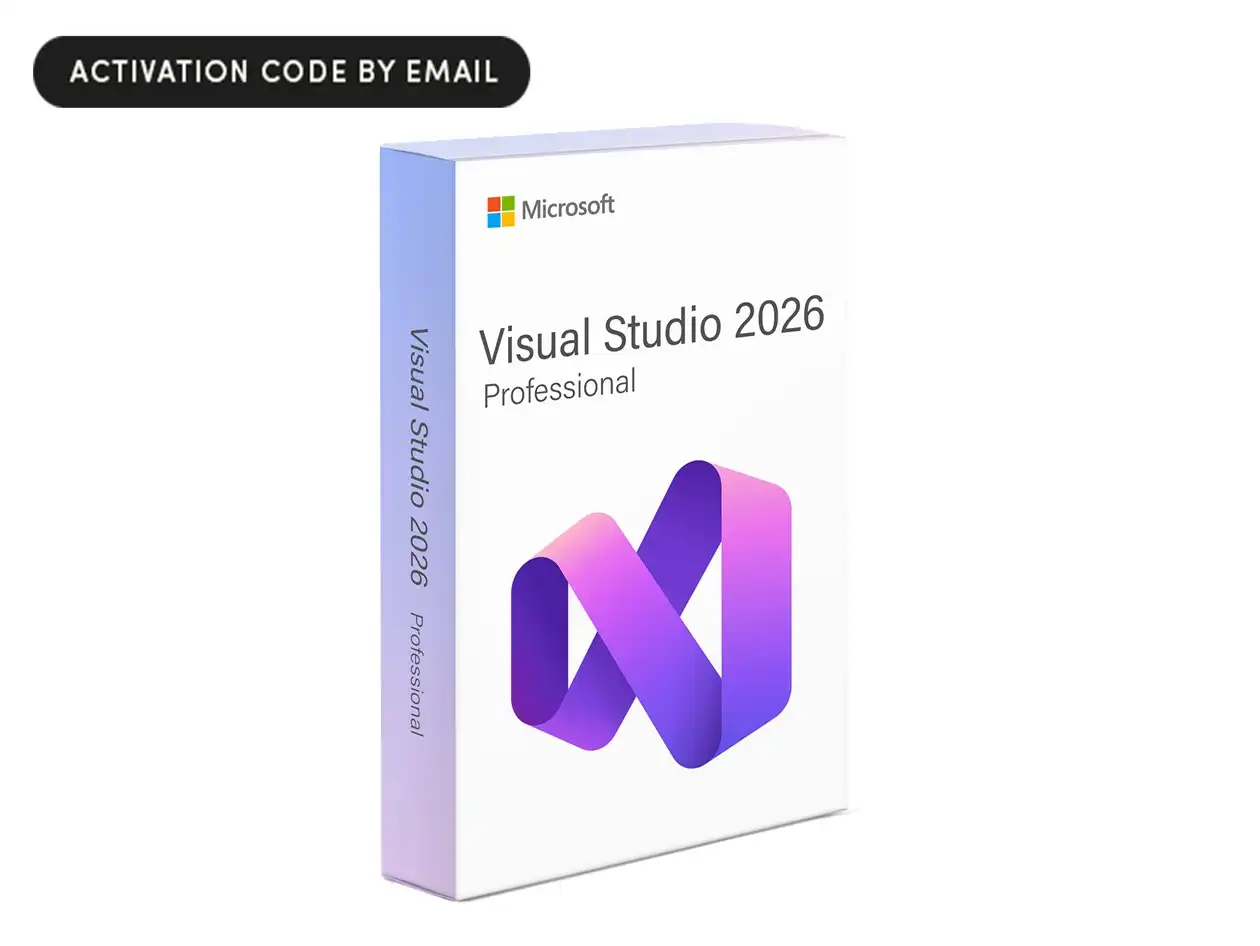
For those who’ve been waiting on the sidelines, this discount could be a green light to jump in. But there are caveats. The license is tied to a single machine, and while multi-device support was introduced in 2024, it’s still limited compared to cloud-based alternatives. There’s also no word on whether this price will hold or if future versions will revert to higher costs.
Competitors like JetBrains and GitHub have long undercut Microsoft on pricing, but Visual Studio Pro remains the gold standard for .NET development. The discount doesn’t change its technical edge—it just makes the sticker shock vanish overnight. For now, it’s a rare win for developers, but the industry will be watching to see if this is the start of a new era or a temporary blip.
What to watch: whether the price stays stable and how Microsoft plans to monetize future updates without alienating its user base.