The developers behind GoldenEye 007, Perfect Dark, and the TimeSplitters* series have walked away from first-person shooters entirely. Their latest project, Beyond Words, is a roguelike twist on Scrabble—designed as a small-scale experiment after years of working in studios acquired and dismantled by Embracer Group.
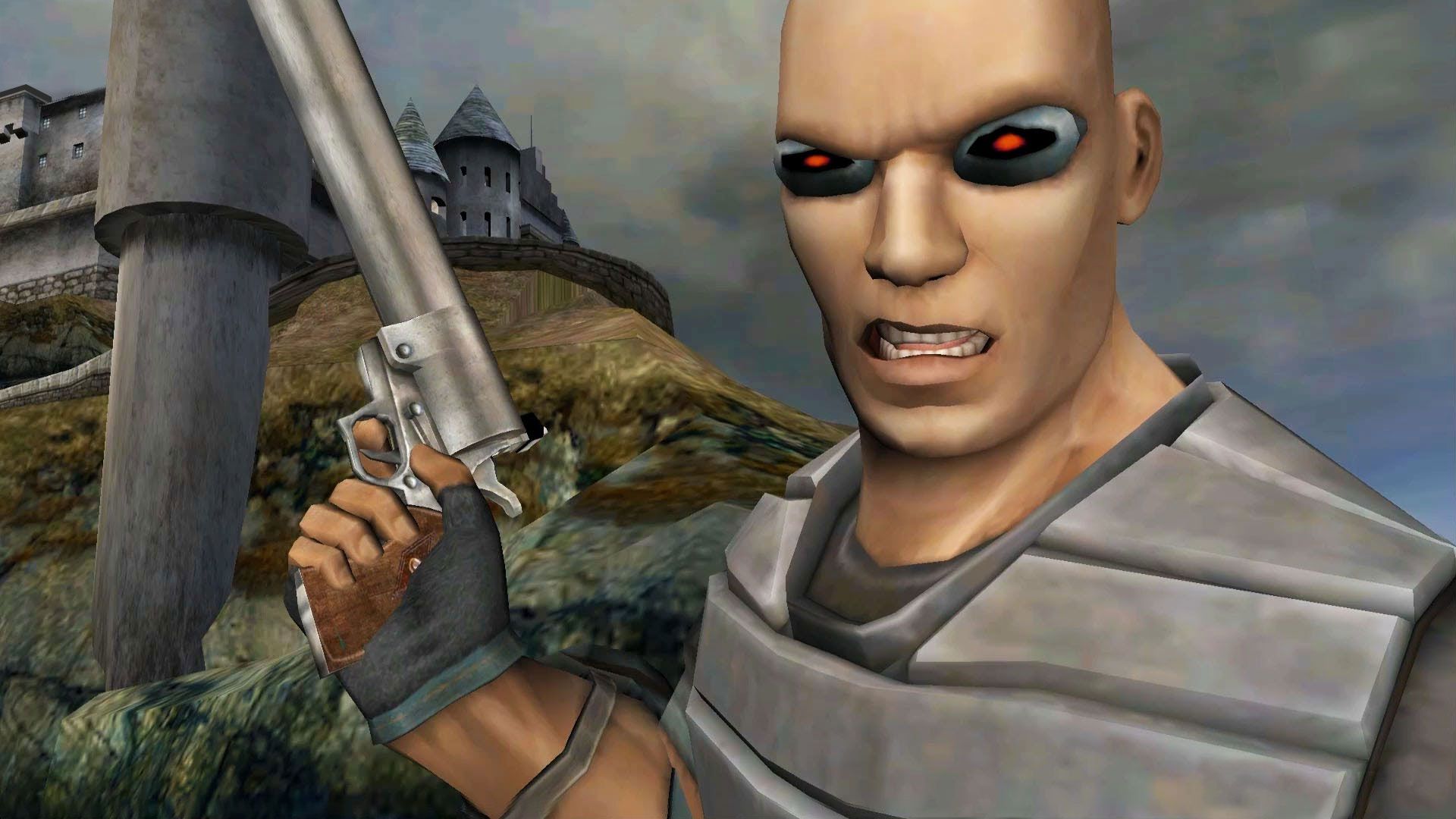
Steve Ellis and David Doak co-founded Free Radical Design in the late 1990s, delivering Rare’s iconic N64 shooters before later attempting a revival of TimeSplitters under Embracer’s ownership. That effort collapsed in 2023 when Embracer shuttered the studio, leaving Ellis and Doak with a shared determination to avoid similar risks.
Instead of rebuilding a large team, they formed MindFuel Games—a lean operation focused on Beyond Words, a word-building roguelike that blends strategic depth with procedural elements. The game’s demo is now available through Steam Next Fest, offering players a chance to test its mechanics before its full release.
Avoiding the ‘Soul-Crushing’ Cycle
Ellis and Doak’s decision to shift away from big-budget shooters stems from direct experience. After Free Radical’s closure, Ellis described the process of laying off staff as soul-crushing, a sentiment Doak echoed by rejecting the instability of larger studios. My best experiences have been in small teams, Doak noted. I’m too old for all the other shit now.
The pair prototyped several ideas before settling on Beyond Words, which originated as a weekend project by Ellis. Unlike traditional roguelikes where randomness forces players into rigid strategies, Beyond Words emphasizes board interaction and adaptive planning. Each move builds upon previous plays, creating a dynamic experience that resists the pitfalls of pure RNG-driven gameplay.
Strategic Word-Building, Not Shooter Scale
Beyond Words distills the core appeal of Scrabble into a roguelike framework, where players must balance word construction with tile management across evolving boards. The game’s design prioritizes player agency—allowing for creative problem-solving rather than relying on repetitive patterns.
Despite its departure from shooters, Ellis leaves open the possibility of future FPS projects—though external funding remains a nonstarter. Shooters require big money, and big money often leads to random closures, he explained. I’m not keen to repeat that cycle.
For now, MindFuel Games is focused on refining Beyond Words*, with no plans to expand into larger-scale development. The demo offers a glimpse into their vision: a game that values strategy over spectacle, built by developers who’ve seen too much of the latter.
The full release date has not been announced, but the demo provides a rare opportunity to experience a project shaped by two veterans of the industry’s most turbulent era.