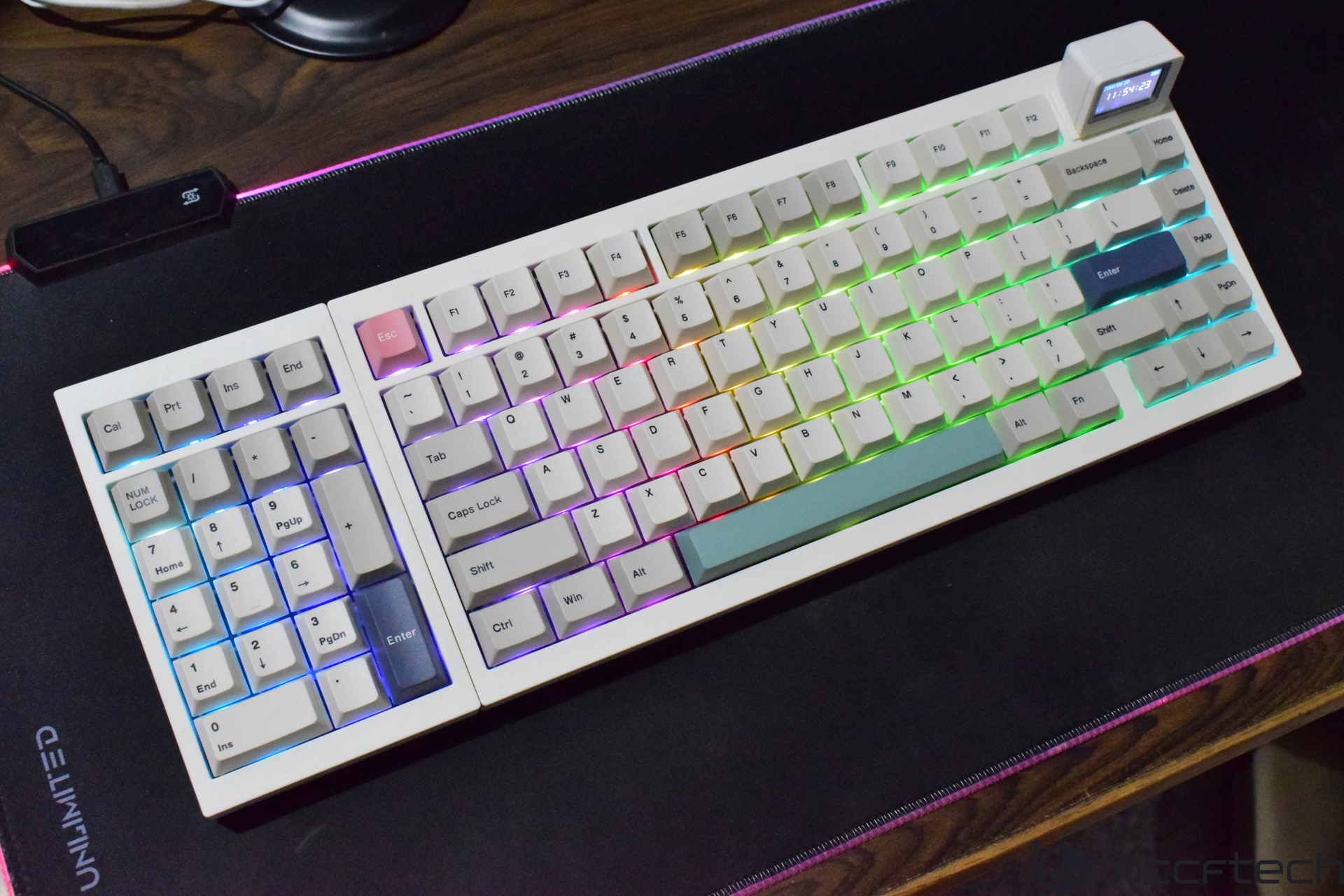
Mechanical keyboards have long been a staple for those who prioritize tactile feedback and durability over convenience. Yet, the traditional choice of a single switch type—linear, tactile, or clicky—can limit performance depending on the user’s workload. A fresh perspective on switch mixing suggests that blending different switch types across a keyboard can deliver both speed and precision, challenging the notion that specialization is necessary for optimal typing.
This shift isn’t about adding complexity for its own sake; it’s about leveraging the strengths of each switch type to adapt to specific tasks. For example, linear switches excel in rapid keypresses, while tactile switches provide feedback for longer keystrokes. By strategically placing them—say, linear switches on the home row and tactile on function keys—a user can maintain fluidity without sacrificing control.
Performance meets customization
The appeal of mixed switch setups lies in their ability to cater to diverse workflows. Data entry tasks, for instance, benefit from the smoothness of linear switches, while programming or note-taking may require the distinct bump of tactile switches. This adaptability extends beyond typing; gaming keyboards with mixed profiles can offer both responsiveness and accuracy, a balance that single-switch setups often struggle to achieve.

Supply chain considerations
Despite the advantages, practical adoption faces hurdles. Switch availability varies by region, and price points fluctuate based on demand. Users looking to experiment with mixed switches may find themselves constrained by stock levels or higher upfront costs compared to uniform switch configurations. However, as manufacturers diversify their offerings, the long-term viability of these hybrid setups could improve, making them a viable option for those willing to invest in customization.
What’s confirmed and what’s still unclear
The core benefit—enhanced adaptability without sacrificing performance—is clear. However, the extent to which mixed switch keyboards will become mainstream remains uncertain. While enthusiasts have long embraced this approach, its adoption among professionals or casual users depends on factors like price stability and widespread switch availability. For now, those seeking a tailored typing experience must weigh the immediate benefits against potential supply chain limitations.