In an era where digital memories are stored on tiny slivers of silicon, the ability to recover lost photos has become a critical concern. The latest SD card technology aims to address this by offering faster data recovery speeds, but at what cost? The balance between performance and practicality remains a key question for users in 2026.
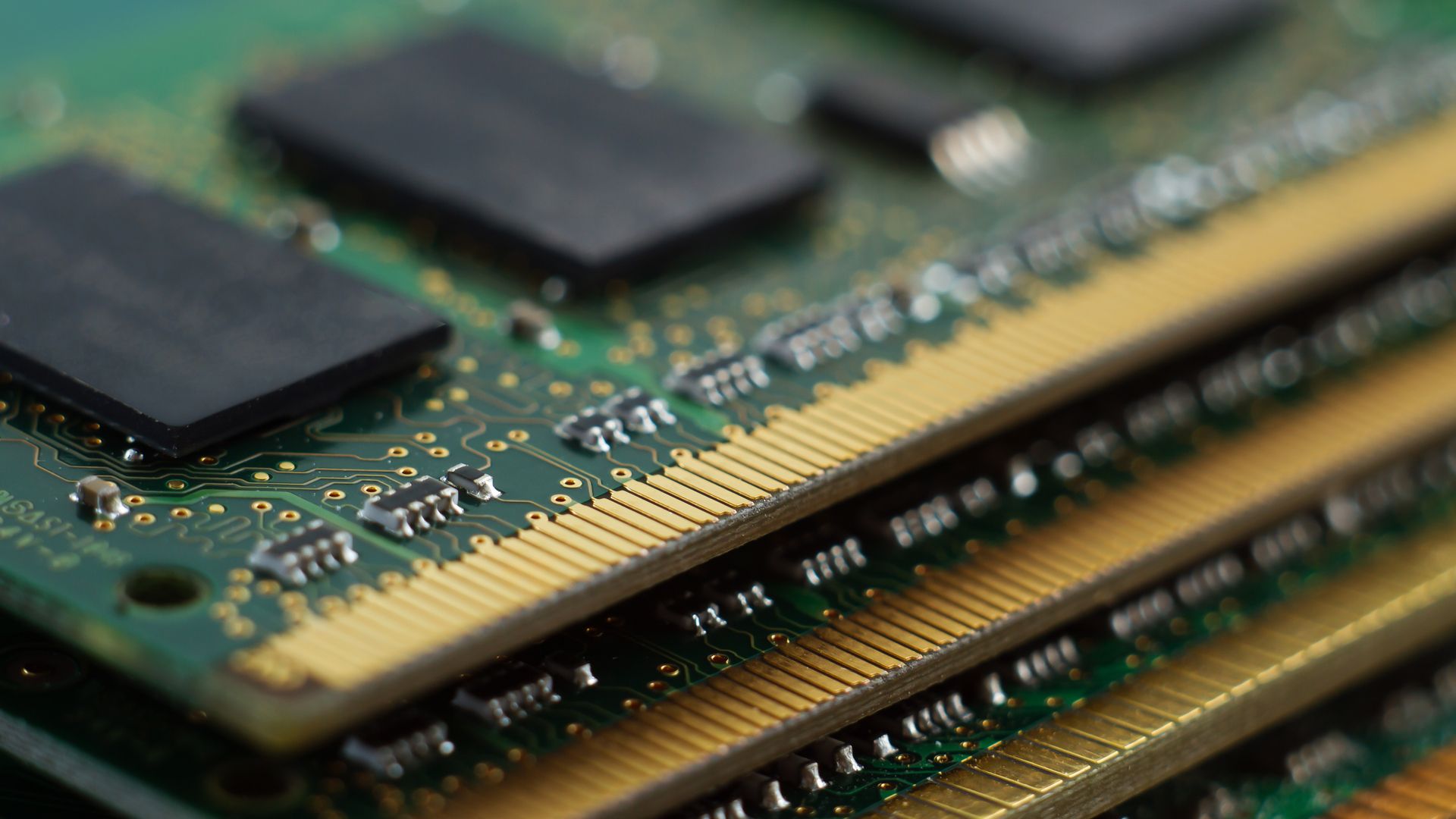
Traditional SD cards have long been the workhorse of digital storage, particularly for cameras, drones, and portable devices. However, their ability to recover deleted files has often lagged behind user expectations. This gap is what new advancements seek to bridge, promising not only faster recovery but also improved reliability in handling high-resolution images.
The core challenge lies in the tradeoff between performance and cost. While some cards now offer recovery speeds that can process large batches of photos in minutes, their price points remain steep for everyday users. For enthusiasts and professionals, this may be a worthwhile investment, but for casual photographers, the cost might not justify the benefit.

One notable development is the introduction of SD cards with enhanced error correction algorithms. These cards are designed to minimize data loss during recovery, making them more appealing for users who handle sensitive or irreplaceable content. However, the question remains: how much faster does this technology need to be before it becomes a standard feature rather than a niche offering?
For those who prioritize speed and efficiency, the new generation of SD cards could revolutionize workflows, particularly in fields like photography and videography where time is often of the essence. Yet, for everyday users, the incremental improvements might not be significant enough to warrant an immediate upgrade.
The future of SD card technology will likely hinge on how well these performance gains translate into real-world usability. As prices continue to drop and adoption grows, the line between necessity and luxury could blur, making it a decision worth watching for anyone invested in preserving their digital memories.