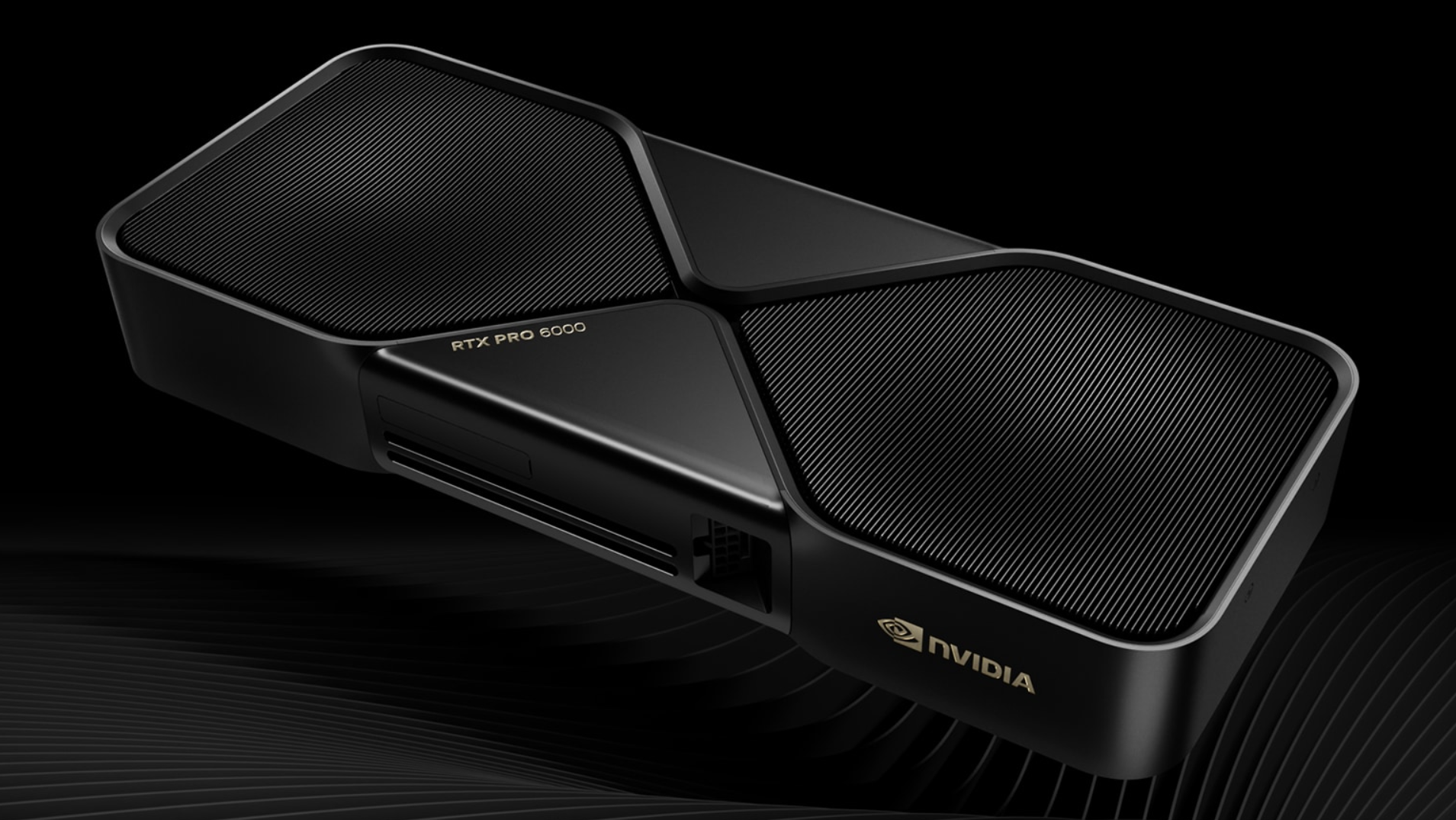
The counterfeit market for graphics cards has evolved beyond mere imitation—it now produces near-perfect replicas that deceive both casual buyers and seasoned professionals. At the forefront of this trend is the RTX 4090, a card so advanced in its legitimate form that its fakes are becoming indistinguishable even to those trained to spot them.
This shift raises critical questions about supply chain integrity, especially as gaming hardware becomes increasingly complex and expensive. The line between authentic performance and convincing forgery is blurring, forcing buyers to adopt new levels of caution when purchasing high-end components.
The issue isn't just one of lost revenue or fraudulent transactions; it's a broader challenge to trust in the ecosystem. When even experts can be fooled, the risk extends beyond financial loss—it affects system stability, compatibility, and long-term reliability for gamers who rely on these cards for high-performance tasks.
The invisible threat
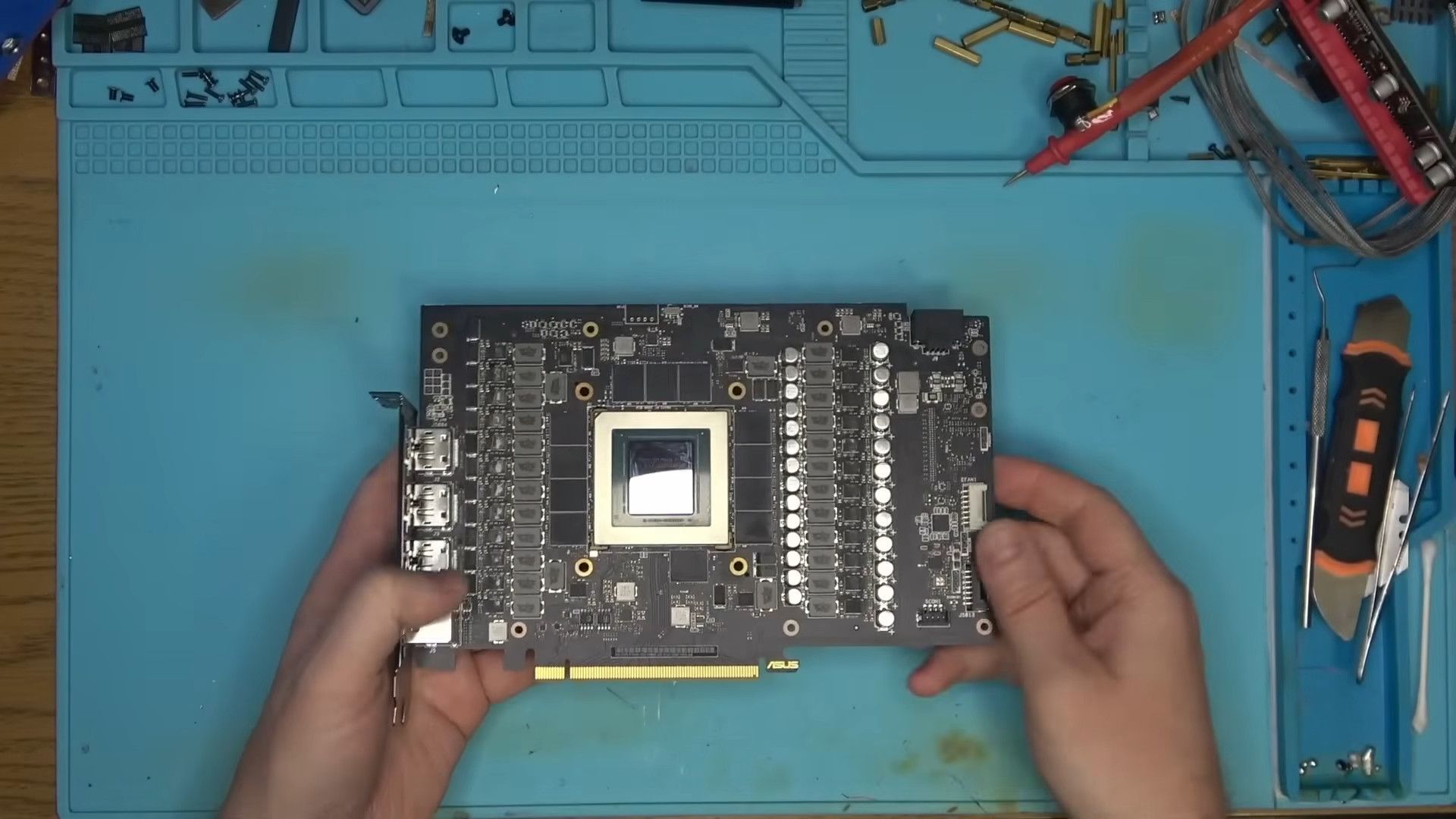
Counterfeit GPUs are no longer crude knockoffs with obvious flaws. Modern fakes replicate not just the physical design but also critical internal components, including memory modules and cooling systems. For the RTX 4090, this means replicating Ada Lovelace architecture chips, GDDR6X memory, and even proprietary Nvidia branding elements.
- Key specs of legitimate RTX 4090:
- Architecture: Ada Lovelace
- Memory: 24GB GDDR6X (18Gbps)
- Cores: 16,384 CUDA cores
- Clock speeds: Base 2.025 GHz, Boost up to 2.520 GHz
- Power draw: Up to 450W
- Features: Ray tracing acceleration, DLSS 3 support, AV1 encoding
The problem lies in the fact that these fakes often mimic the specs on paper but fail in subtle ways—thermal throttling under load, inconsistent power delivery, or silent hardware failures. Yet, without deep technical inspection or specialized tools, even these inconsistencies can go unnoticed.
A gamer's dilemma
For gamers, the stakes are clear: a counterfeit RTX 4090 could deliver frame rates indistinguishable from the real card in benchmarks but fail catastrophically during prolonged sessions. This isn't just about lost performance—it's about compatibility risks with game engines that rely on Nvidia's proprietary features like ray tracing or DLSS.
The broader gaming ecosystem, built around Windows and DirectX/ Vulkan support, assumes hardware adheres to strict standards. When fakes slip through, they can introduce instability that affects not just the card itself but the entire system, from driver compatibility to software rendering. This creates a ripple effect that could undermine the trust in Nvidia's platform as a whole.
While Nvidia has historically focused on hardware authentication through its AIB partners, the rise of these flawless fakes suggests that even those measures may no longer be sufficient. The company's long-term roadmap for GPU support—including software updates and driver optimizations—relies on accurate hardware identification, making this a systemic risk.
What's confirmed—and what isn't
The existence of counterfeit RTX 4090 cards is now well-documented, with reports from repair experts and industry insiders confirming their presence in both retail and secondary markets. However, the full extent of the problem remains unclear: whether this is a targeted scam or a broader trend in hardware forgery, how these fakes are distributed, and what long-term damage they may cause to systems.
For now, gamers must treat every purchase with skepticism, verifying authenticity through multiple channels—physical inspection, seller reputation, and even third-party testing where possible. The cost of caution is high, but the alternative—trusting a card that may not deliver on its promises—is far riskier in an ecosystem where performance and reliability are paramount.