The iPhone Air’s launch marked a turning point for Apple’s global strategy: by omitting a physical SIM slot entirely, the company accelerated the shift toward eSIM adoption—especially in markets like China, where regulatory and infrastructure hurdles once slowed the technology’s rollout. But for a niche of tech enthusiasts, that decision wasn’t just an inconvenience; it was an invitation to reimagine the phone’s internals.
What emerged is a modification so unconventional it borders on vanity engineering: by disassembling the iPhone Air’s haptic feedback system and replacing its vibration motor with a hybrid assembly of a miniaturized motor and a functional SIM card tray, modders have effectively turned Apple’s most extreme design into a phone that can once again accept physical SIMs. The catch? The process nullifies the warranty, introduces unknown battery impact, and demands both technical precision and a willingness to accept a phone that may no longer meet Apple’s exacting standards.
For the average user, the effort is impractical. But for those with disposable income and a penchant for hardware experimentation, it’s a striking example of how even the most locked-down devices can be pushed beyond their intended limits—if only briefly.
The iPhone Air’s ultra-slim profile made a physical SIM slot impossible without compromising structural integrity or battery life. Apple’s solution? An eSIM-only design. Yet, by removing the phone’s vibration motor—a component already optimized for minimal space—the modders created enough room to install two critical upgrades
- A downsized vibration motor, retaining just enough functionality for basic haptic feedback.
- A fully operational SIM card tray and slot assembly, allowing the insertion of traditional nano-SIMs.
The trade-off is immediate: the phone’s warranty is voided, and the battery’s already constrained capacity may face further strain from the added hardware. Whether the modification affects longevity or performance remains untested, but the core achievement is undeniable: a phone designed to be eSIM-exclusive now accommodates the old standard.
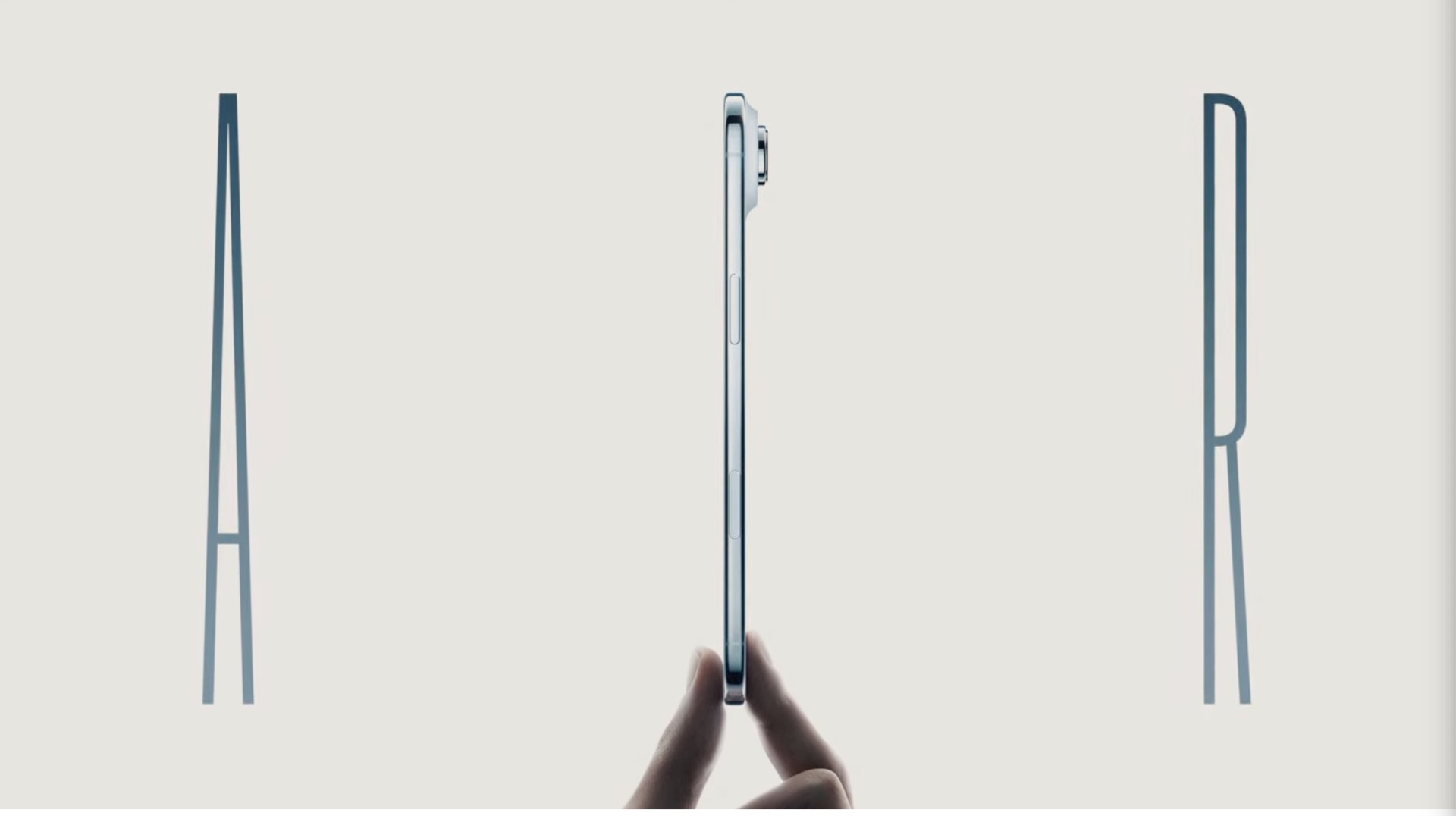
Why This Matters Beyond the Mod
The iPhone Air’s eSIM-only approach wasn’t arbitrary. It reflected Apple’s broader push to standardize on digital SIMs—a move that simplifies manufacturing, reduces costs, and aligns with global carrier trends. Yet, in regions where eSIM adoption lags or where dual-SIM flexibility is essential, the absence of a physical slot creates friction. This modification, while extreme, underscores a persistent tension: Apple’s drive for sleek, unified designs clashes with user demands for adaptability.
For carriers and consumers in markets where physical SIMs remain dominant, the workaround serves as a reminder that even the most polished tech can be reworked—if only for those willing to pay the price. The real question isn’t whether the mod will catch on, but whether it signals a deeper industry shift: as phones shrink, will users continue to demand the impossible, or will manufacturers eventually bend to accommodate the old ways?
A Project for the Bold
This isn’t a fix for the masses. The tools, skills, and financial buffer required to attempt such a modification are far beyond the average consumer’s reach. Yet, for the small subset of enthusiasts who see Apple’s hardware as a canvas, the iPhone Air’s newfound SIM capability is less about utility and more about proving a point: no design is immutable. The modification also raises an intriguing possibility—what if Apple’s next ultra-slim model left room for such customizations, even if only through official (and supported) accessories?
The iPhone Air’s physical SIM mod may never leave the workshop, but it’s a bold statement in an era where hardware innovation often means subtraction rather than addition. For now, it’s a testament to what happens when enthusiasts refuse to accept ‘no’—even if the cost is a phone that’s no longer quite Apple’s.