The tech industry’s latest crunch isn’t just about factories running short on parts—it’s a fundamental rethinking of how Android chipmakers operate. For years, they raced to scale production as quickly as possible, chasing demand with aggressive expansion. But the pandemic exposed the fragility of that approach, leaving them scrambling when global supply chains faltered. Now, production lines sit idle at 30-40% capacity, a stark contrast to the frenzied output of just two years ago.
The consequences are already rippling through the market. Prices for high-end Android chipsets have surged by up to 25%, with no immediate relief in sight. Device launches that once followed predictable cycles are now delayed by 6-12 months, disrupting roadmaps for major manufacturers. Meanwhile, Apple’s tightly controlled supply chain continues to operate as usual, insulated from the turbulence gripping its competitors.
Production cuts and price hikes: the new reality
- Major Android chipset vendors have slashed output significantly compared to last year’s peak, citing shortages of key components and logistical disruptions.
- High-end models now carry price tags up to 25% higher than their predecessors, with no immediate relief in sight.
- New chipset releases are being delayed by 6-12 months, disrupting device roadmaps for major manufacturers.
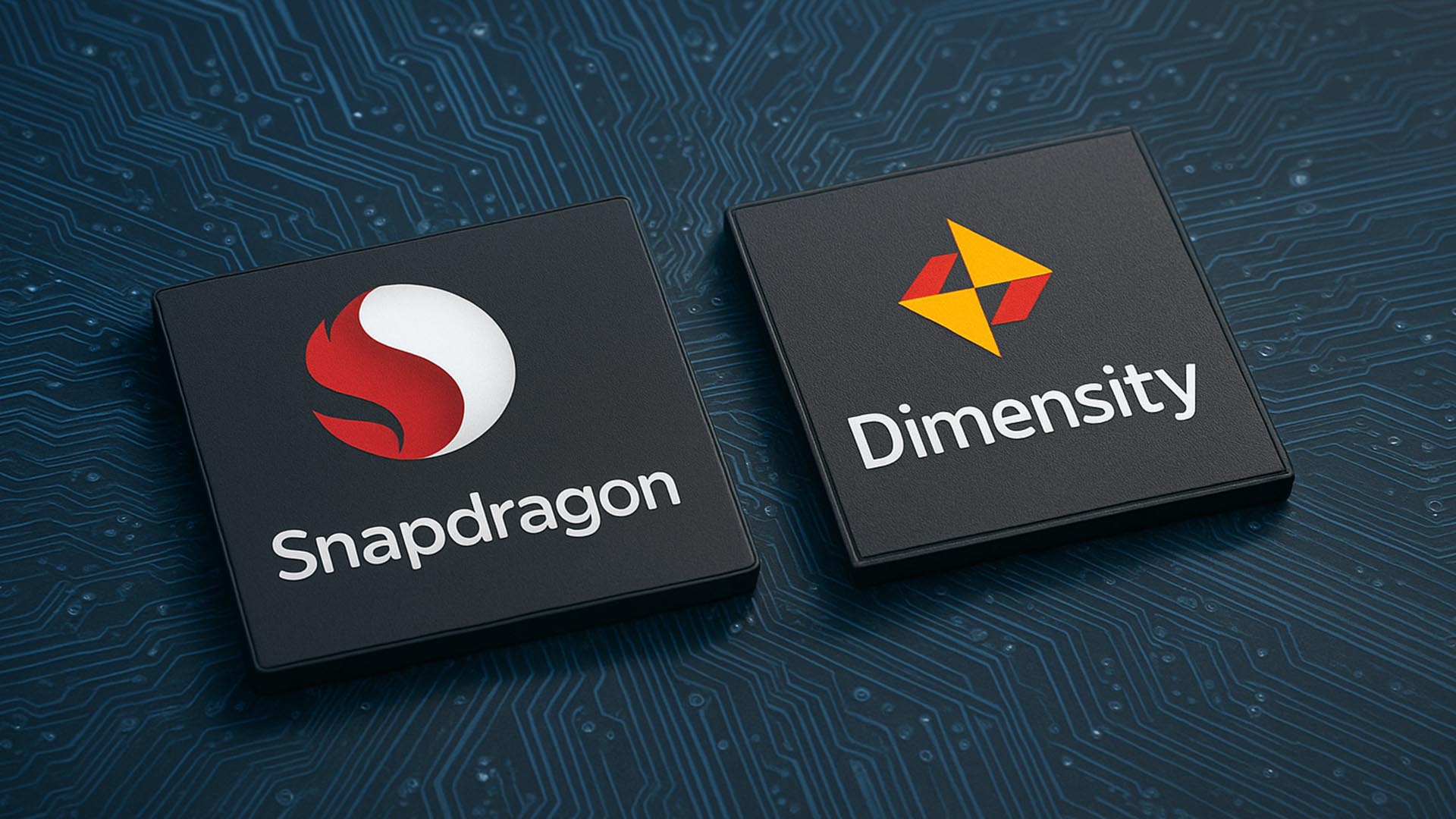
The divide between Apple and Android has never been more pronounced. Apple’s vertical integration—designing its own chips while controlling manufacturing—has long shielded it from supply chain turbulence. Android OEMs, however, remain dependent on third-party foundries and subcontractors, leaving them exposed when global supply chains falter.
A $10 billion shortfall: the financial fallout
The financial impact is already significant. Analysts estimate that underproduction and delayed launches could result in losses exceeding $10 billion by year’s end, with no signs of recovery before 2025. This isn’t just about lost revenue—it’s about market share. As Apple expands its chipset dominance in both mobile and desktop segments, Android OEMs are losing ground at a time when they could have been pushing harder for innovation.
The bigger question is whether this gap can be closed. The industry has faced supply crunches before, but never on this scale with such prolonged effects. If Android chipmakers don’t adapt their strategies soon, the consequences will ripple through the entire ecosystem—from device pricing to innovation cycles.
Investing in the future: a race against time
There are signs of movement. Some vendors are investing in in-house foundry capacity, while others are securing long-term contracts with key suppliers to stabilize their pipelines. Whether these efforts will be enough remains uncertain.
The one certainty is that the industry won’t look the same by next year. The choice for Android chipmakers is clear: either they start adopting Apple’s playbook or risk being left further behind in a market where supply and strategy are equally critical.