The gaming industry is undergoing a seismic transformation, one where artificial intelligence has evolved from an optional enhancement to an indispensable component of game development. The pressure to innovate while controlling costs has never been more intense, particularly as the scale of triple-A productions continues to expand. Studios are now faced with a critical question: How can AI be integrated in a way that preserves the authenticity players demand while also delivering on the promises of speed and efficiency?
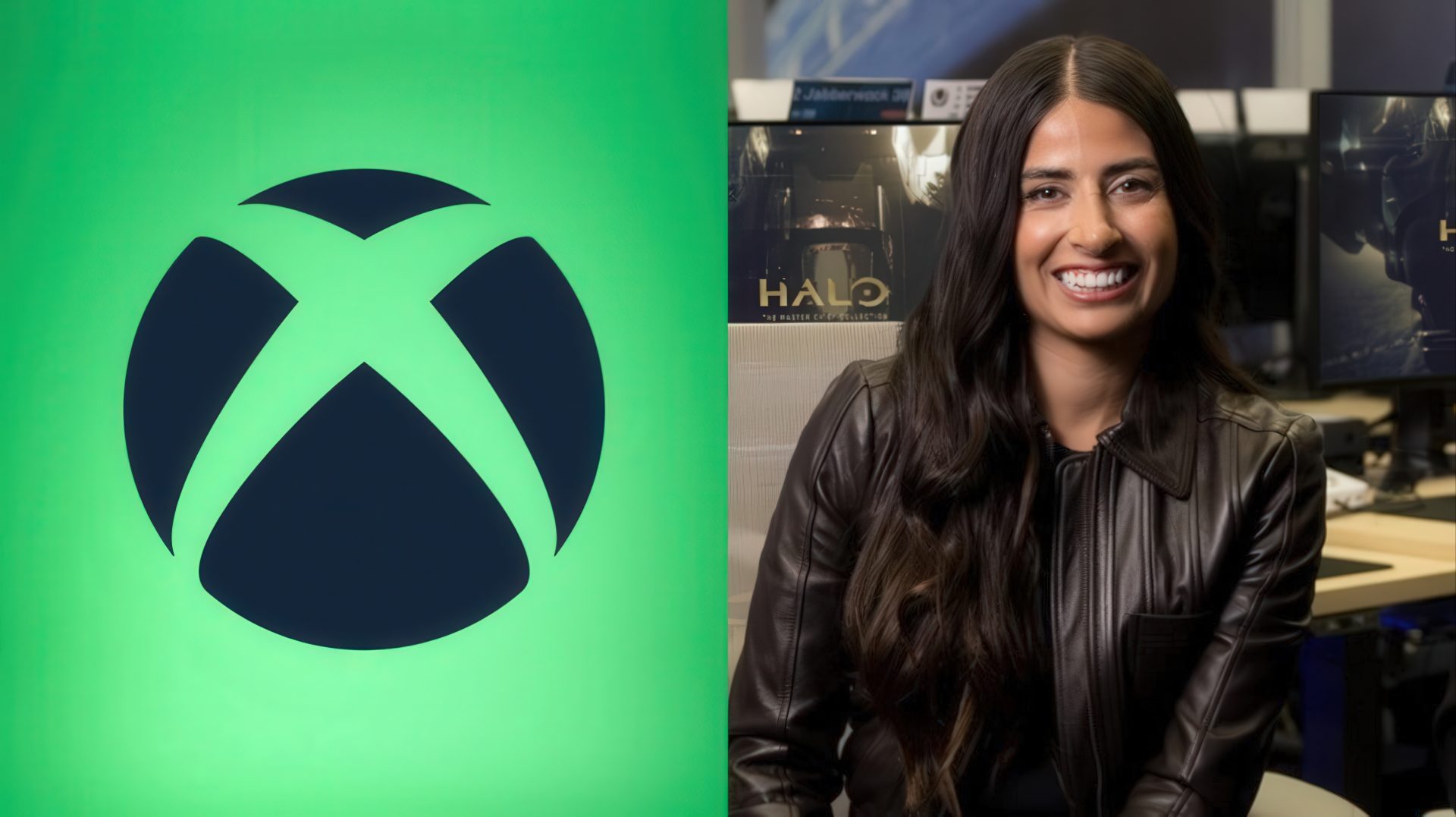
This shift is being steered by Asha Sharma, whose appointment as CEO of Microsoft Gaming marks a pivotal moment for the industry. Her tenure leading Microsoft's CoreAI division brings a unique perspective to gaming, one that blends technical expertise with an understanding of player expectations. While some gamers remain wary of AI-driven development, Sharma's role suggests a broader industry move toward embracing these tools—not just as cost-saving measures, but as catalysts for genuine innovation.
The potential for AI to reshape game development is vast. From generating placeholder dialogue to accelerating the creation of concept art, these tools are designed to streamline workflows without sacrificing quality. The recent controversies surrounding studios like Larian serve as a reminder that transparency and ethical considerations must accompany technological advancement. Players are increasingly discerning, and studios that fail to address concerns about AI's role in development risk alienating their audiences.

- AI-generated placeholder text for rapid prototyping
- Automated concept art generation to speed up early-stage design
- Streamlined internal documentation (e.g., PowerPoint presentations) to improve collaboration
- Cost reduction in development pipelines without compromising quality or creativity
The implications for smaller studios and independent developers are particularly significant. AI offers a pathway to reduce development time and costs, leveling the playing field against larger, more resource-heavy competitors. However, the challenge lies in ensuring that these tools do not dilute the unique identities of games. The industry must navigate this carefully, prioritizing player trust over corporate efficiency.
Looking ahead, AI's role in gaming will only grow more pronounced. Sharma’s leadership will be instrumental in shaping how Microsoft—and the industry at large—approaches this transformation. The key to success lies in striking a balance: using AI to enhance creativity rather than replace it. For studios willing to embrace this shift thoughtfully, the potential for innovation is boundless.