For years, the idea of a 49-inch 4K ultrawide monitor has been synonymous with one thing: expense. A price tag nearing $1,000 was often seen as the unavoidable cost of immersion, productivity, or high-end gaming. That perception shifts dramatically today with a monitor now available for just $499.99—a full 33% off its standard price of $749.99. The Innocn 49-inch display isn’t just another discount; it’s a redefinition of value for those willing to adapt their expectations.
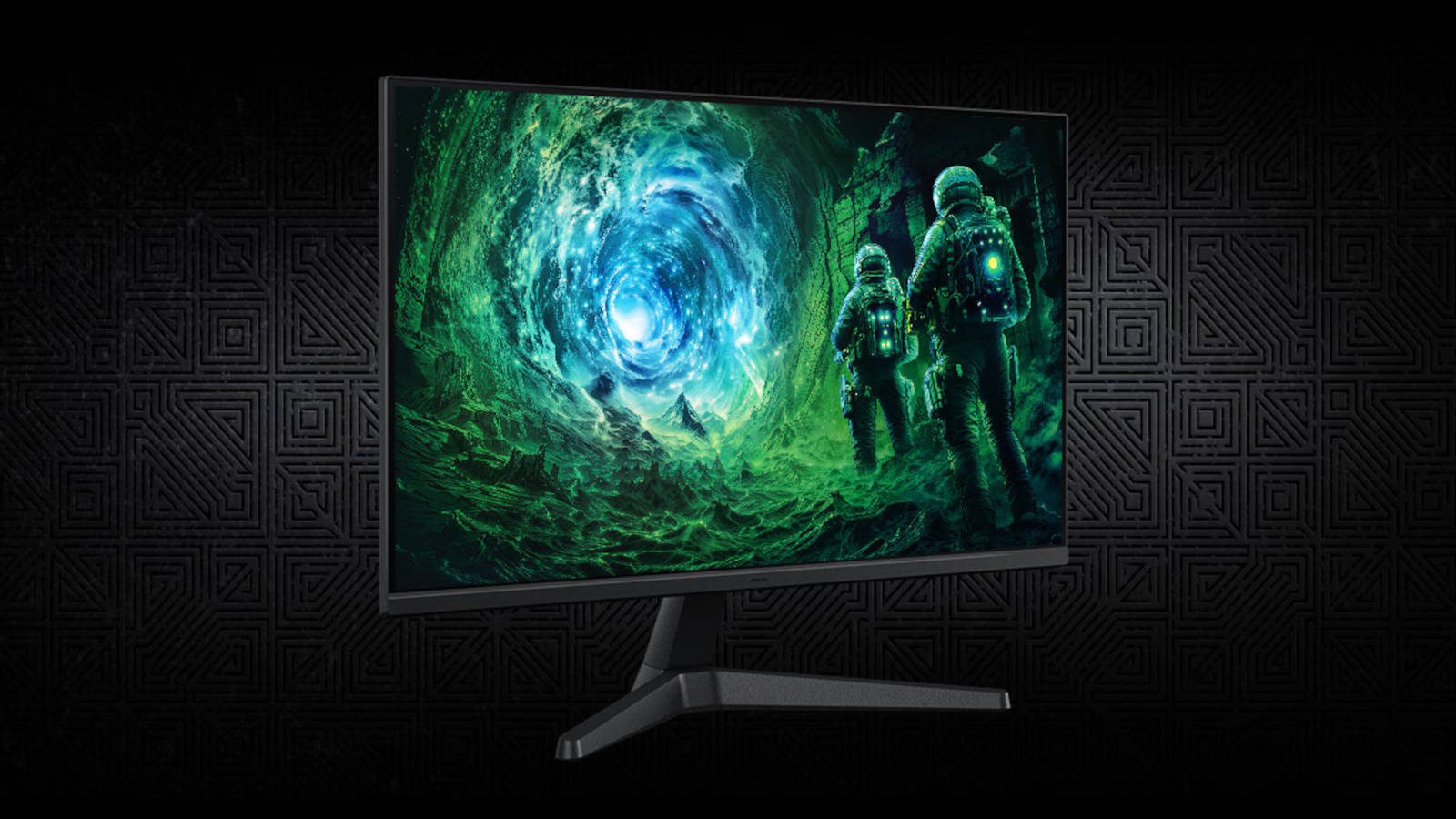
The screen itself is a technical marvel, stretching across 49 inches with a 3840×1080 resolution and a 32:9 aspect ratio. That’s the equivalent of two standard 1080p monitors merged into one seamless panel, free from the distractions of bezels. The 1800R curvature adds to the sense of depth, making it ideal for both entertainment and productivity—though its VA panel and 144Hz refresh rate cater primarily to gamers who can leverage its Adaptive-Sync capabilities.
What most users might assume
Many would expect a monitor at this size and resolution to come with compromises: dimmer colors, slower response times, or a lack of connectivity. Yet this display delivers DisplayHDR 400 certification, ensuring vibrant visuals with deep contrast. The inclusion of Picture-in-Picture and Picture-by-Picture features suggests it’s built for multitasking, while the USB-C port with 65-watt power delivery hints at versatility for laptop users. Still, the $500 price might lead some to question whether it’s truly worth the investment—or if it’s better suited for specific use cases.
What’s actually changing

This isn’t just a price cut; it’s a shift in the balance between cost and capability. The monitor’s VA panel, while excellent for contrast and color, may not match the brightness or smoothness of an IPS panel in every scenario. The 144Hz refresh rate is impressive, but achieving it requires a powerful GPU—something not every user has. For those with the right hardware, however, the experience is undeniably immersive. The real question is whether the trade-offs—like potential ghosting in fast-moving content—are acceptable for the price.
The connectivity options are a standout, with DisplayPort 1.4, HDMI 2.1, and USB-C (including power delivery) making it adaptable to modern setups. The addition of dual USB-A ports, Ethernet, and a 3.5mm audio jack ensures it’s not just a gaming display but a productivity hub as well.
For gamers with high-end PCs, this monitor represents a rare opportunity to experience a 4K ultrawide without the typical premium cost. Productivity users will appreciate the multitasking features, though the VA panel’s limitations under bright lighting could be a drawback. Laptop users might find the USB-C port useful, but the lack of Thunderbolt could be a dealbreaker for some.
Ultimately, this monitor isn’t for everyone. It demands a setup capable of utilizing its full potential—whether that’s a gaming rig pushing 144Hz or a workstation maximizing its multitasking features. At $499.99, it’s no longer a luxury but a thoughtful investment for those who need the extra screen real estate and are willing to adapt to its quirks.
For those on the fence, the question isn’t whether this monitor is worth the price—it’s whether their needs align with what it offers. And for now, the answer is a resounding yes, if you’re ready to embrace the future of large-format displays.