The next iPhone will almost certainly carry more RAM than its predecessors. Whether that extra memory comes at the expense of another critical system part, however, remains an open question—and one with tangible consequences for how the device performs in real-world workloads.
Apple has never explicitly stated which component might be scaled back to accommodate larger RAM modules, but industry sources suggest a candidate is on the horizon. If that scenario plays out, it would mark a subtle shift in Apple’s hardware priorities, one that could leave users balancing faster multitasking against other system-level trade-offs.
What’s changing—and what stays the same
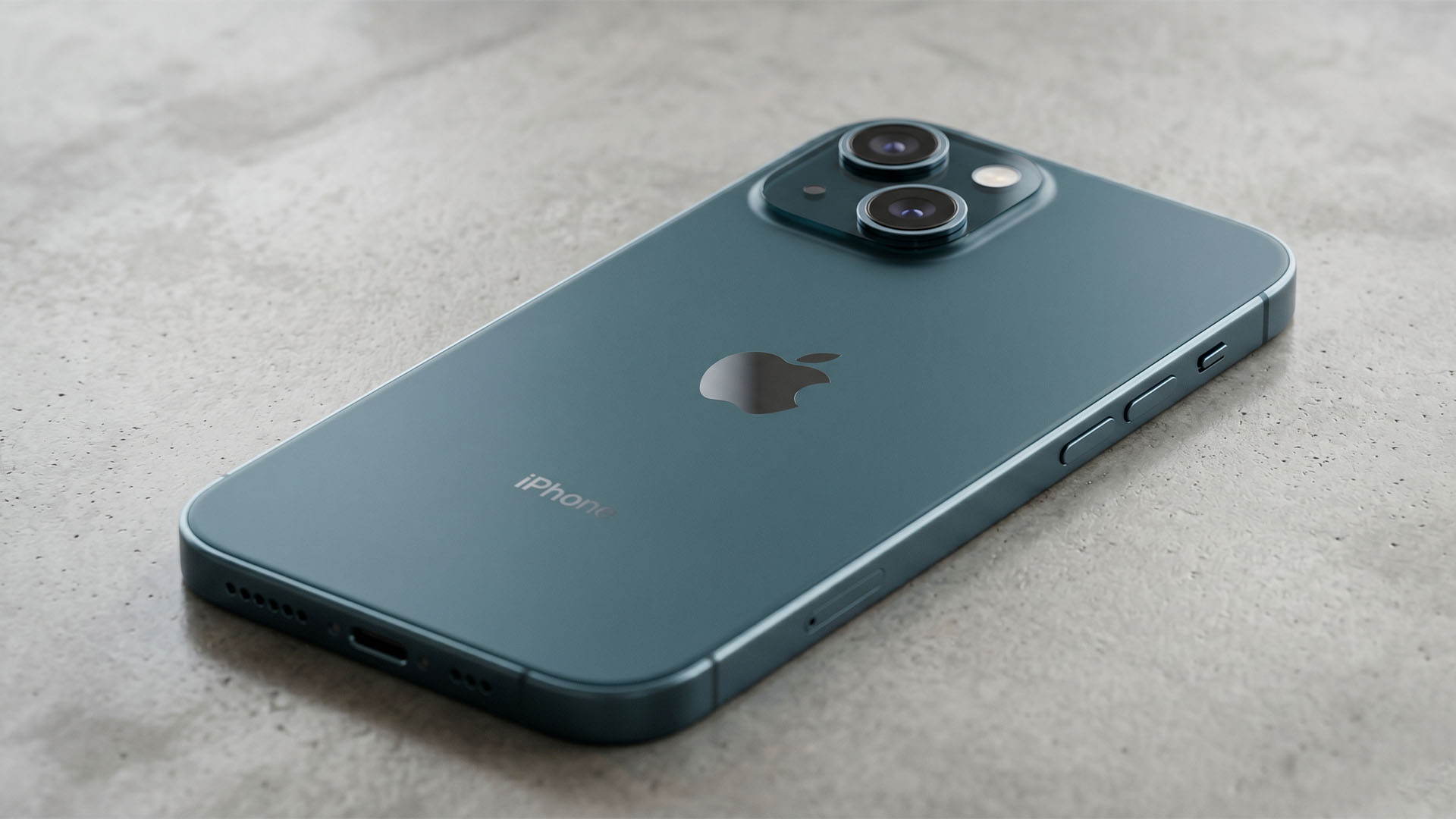
The iPhone 18 is rumored to feature up to 8 GB of RAM, a significant leap from the current 6 GB in the iPhone 17 series. That jump aligns with broader trends in mobile hardware, where even mid-range devices now routinely offer that much memory for smoother operation under heavy loads.
But adding more RAM requires physical space inside the device’s compact chassis. Engineers typically address this by reallocating real estate or, in some cases, reducing the size of another component to make room. The most plausible candidate for a downgrade is the battery, which would shrink slightly to accommodate larger RAM chips while still meeting Apple’s stringent performance and longevity standards.
Key specs
- RAM: Up to 8 GB (LPDDR5X or LPDDR6, depending on variant)
- Battery capacity: Likely reduced by approximately 10–15% compared to iPhone 17, but still sufficient for a full day of mixed use
- Chipset: A-series (A22 or later), with potential optimizations for memory efficiency
- Storage tiers: 128 GB base, up to 1 TB (no change from iPhone 17)
The battery adjustment would not be drastic—estimates suggest a reduction of around 500–750 mAh, depending on the exact chip packaging. For most users, this would translate to slightly shorter battery life under extreme conditions (e.g., gaming or video editing), but everyday use should remain largely unaffected. Apple’s software optimizations, such as App Nap and background activity management, have historically mitigated similar trade-offs in previous generations.
Why the RAM push matters
The push toward 8 GB of RAM reflects Apple’s recognition that even its most demanding users—developers, video editors, or those running multiple virtualized environments—are increasingly straining against the limits of 6 GB. In benchmarks, apps like Xcode or complex photo editing suites show noticeable improvements in memory management when given more headroom.
However, the real-world impact of a smaller battery is less about raw capacity and more about thermal behavior. A slightly thinner battery can help reduce heat output during sustained workloads, which may indirectly benefit performance stability. This could be particularly relevant for AI-driven tasks, where thermal throttling has become a growing concern.
For the average iPhone user, the changes would likely go unnoticed. Those who rely on heavy multitasking or background processes, though, might notice smoother transitions between apps and longer sessions without hitches. The trade-off, then, is one of optimization: Apple appears willing to accept a minor battery compromise if it means delivering a more responsive experience for power users.
What to watch next
The exact configuration will only be confirmed at the iPhone 18’s official unveiling, but leaks so far suggest Apple is testing multiple prototypes with varying RAM and battery sizes. Whether the final design leans toward slightly longer battery life or more aggressive memory expansion remains to be seen.
For data-centric workloads—whether it’s running multiple VMs, processing large datasets, or editing high-resolution video—the 8 GB upgrade could be a game-changer. But users who prioritize all-day endurance may find themselves making small compromises. The question for Apple is whether the performance gains justify the trade-off in a market where battery life remains a key differentiator.
Regardless of the final specs, one thing is clear: the iPhone 18 will not be a device that caters strictly to either extreme. It will aim for balance—more RAM for those who need it, but without abandoning the practical considerations that define Apple’s hardware philosophy.