In the ever-evolving landscape of digital privacy, a quiet but significant shift has taken place. Temporary email addresses—designed to be used once and then discarded—are no longer a niche tool reserved for tech-savvy users. Instead, they have become a mainstream utility, offering a straightforward way to shield personal information from spam, data harvesting, or unwanted sign-ups.
The core appeal lies in their simplicity: create an email that exists only for the duration of a transaction, then let it fade away without leaving a digital footprint. This approach is gaining traction across platforms, particularly among users who value control over their inbox and online identity. The rise of these services reflects broader trends in privacy-conscious behavior, where even small steps—like avoiding permanent email addresses for every registration—can add up to meaningful protection.
While the concept isn’t new, recent developments have made temporary emails more accessible than ever. Users no longer need to jump through technical hoops or rely on less reliable alternatives. Instead, they can generate disposable addresses with a few clicks, often without even leaving their current email client. This seamless integration into existing workflows has been a key factor in adoption, especially for those who manage multiple accounts or frequently engage with online services that require verification.
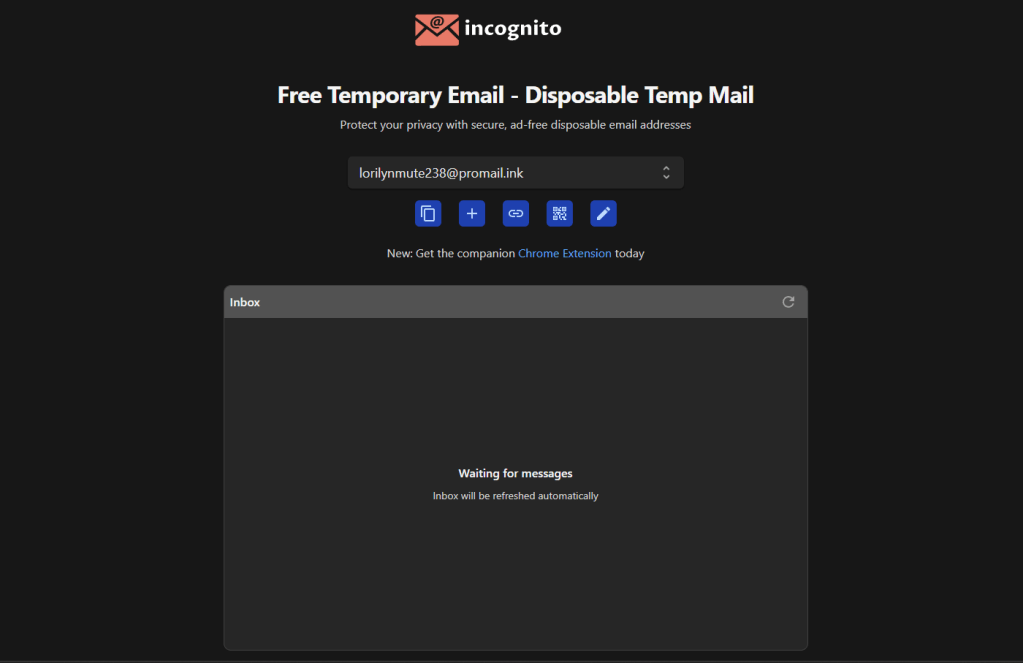
That said, there are trade-offs to consider. Temporary emails are not designed for long-term use; they lack the features—like robust spam filtering or calendar integration—that permanent addresses offer. They also don’t provide a persistent inbox, meaning any important messages sent to them will disappear once the address expires. For most users, this is an acceptable compromise, but it’s worth noting that these services are best suited for one-off tasks rather than daily correspondence.
The practical benefits extend beyond privacy. Businesses and developers testing new services can use temporary emails to receive notifications or verification links without cluttering their primary inbox. This has made them a staple in the toolkit of professionals who juggle multiple projects or need to test login systems without revealing personal details. The ability to generate unique addresses on demand also helps mitigate risks associated with shared or public email lists, where exposure to spam or phishing attempts is higher.
Looking ahead, the future of temporary emails may involve tighter integration with password managers and identity verification services. As digital identities become more fragmented—with users maintaining separate accounts for work, personal, and testing purposes—the demand for flexible, short-lived email solutions could grow. For now, they remain a low-cost, high-impact tool in the privacy arsenal, offering a middle ground between convenience and control without requiring complex setup or long-term commitment.