In an unexpected move that underscores the growing tension between hardware manufacturers and OEMs, AMD has taken a strong stance against mislabeling practices. The company recently released a statement addressing Chuwi’s unauthorized rebranding of Ryzen processors, a situation that has raised serious concerns about market integrity and consumer trust.
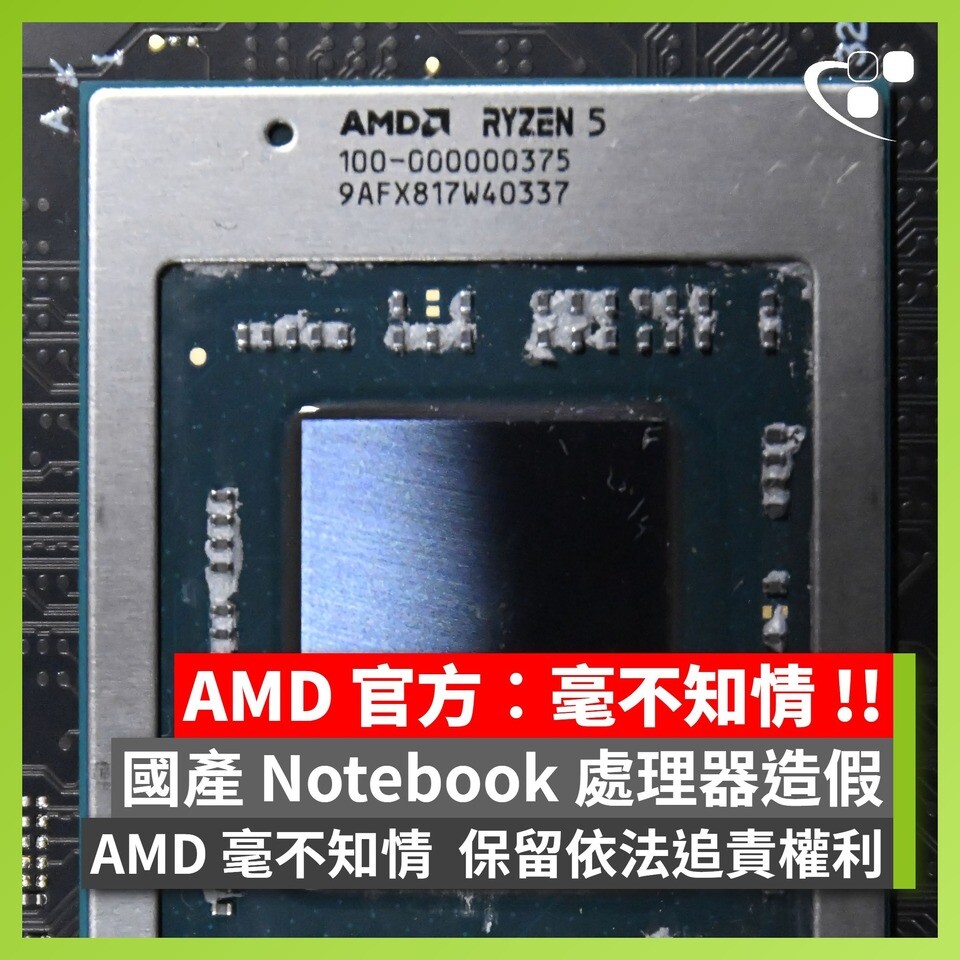
The incident involves Chuwi, a Chinese notebook manufacturer, which allegedly modified the BIOS of certain laptops to falsely represent the Ryzen 5 5500U processor as the newer Ryzen 5 7430U. This deceptive practice extended beyond mere marketing—it involved altering the hardware’s identity at the firmware level, a move that AMD has vehemently condemned.
Why It Matters
The scandal is notable for several reasons. First, it highlights the risks developers and buyers face when compatibility is misrepresented. A processor labeled as part of the Ryzen 7000 series—typically associated with Zen 3 or newer architectures—could lead to assumptions about performance, power efficiency, or software support that simply do not hold true for a Zen 2-based chip like the 5500U.
Second, this incident forces buyers and developers to reconsider how they verify hardware specifications. With no official links to check, the burden falls on users to cross-reference model numbers, microarchitecture details, or even physical inspection of components. For developers, this means ensuring their applications or drivers account for potential mismatches between labeled and actual hardware.
Key Details
- Processor Affected: Ryzen 5 5500U (Zen 2)
- Misrepresented As: Ryzen 5 7430U (Zen 3)
- Impact: False labeling in BIOS, marketing materials, and product branding
The Ryzen 5 5500U is a mobile processor based on the Zen 2 architecture, which was introduced several years ago. The Ryzen 5 7430U, on the other hand, belongs to the newer Ryzen 7000 series and is built on the Zen 3 architecture, offering improved performance and efficiency. By mislabeling the older chip as a newer model, Chuwi effectively misled consumers about the hardware’s capabilities.
Industry Implications
AMD’s response to this situation sets a precedent for how companies handle unauthorized rebranding or false labeling. The statement emphasizes that such practices are not only unauthorized but also harmful to consumer confidence and market order. AMD has made it clear that they reserve the right to pursue legal action against those involved, signaling a potential shift in how OEMs are held accountable for deceptive practices.
For developers, this incident serves as a reminder of the importance of thorough hardware verification. Whether working on software optimization or driver development, ensuring compatibility with the actual hardware—rather than relying solely on labeled specifications—can prevent costly misalignments down the line.
Looking Ahead
The scandal also raises questions about the broader implications for the industry. As processors continue to evolve with advancements like RDNA 3 and Zen 4 architectures, the risk of mislabeling or false representation could grow. Buyers and developers alike will need to stay vigilant, cross-checking specifications and verifying hardware authenticity to avoid falling victim to such deceptions.
In summary, AMD’s stance on this issue marks a critical moment for transparency in the tech industry. It underscores the importance of accurate labeling and the potential consequences when that trust is broken. For those navigating the complexities of hardware selection or development, this serves as a stark reminder: what you see may not always be what you get.