Ten years after Stardew Valley first arrived, its creator took a rare step back to reflect on the game’s evolution—including what was left behind.
During a retrospective stream marking the anniversary, footage surfaced of an early development phase where the game’s mining system was far more ambitious than the one players know today. Instead of the carefully crafted biomes that now define Stardew’s mines, the original design called for procedurally generated tunnels where farmers would dig through walls, uncovering hidden layers and encountering dynamic environments. The idea, while innovative, proved too complex to execute smoothly, leading to a shift in approach.
The footage also revealed one of the most intriguing casualties of that decision: an underground goblin village, complete with tiny furniture, enemies, and even graves. This lost feature was part of a broader attempt to create deeper, emergent gameplay—but it never made it into the final product. The developer acknowledged that while the concept had charm, its practical challenges outweighed its potential benefits.
From Procedural Ambition to Pre-Authored Perfection
The early mining system was designed with a top-down perspective akin to Terraria, where players would carve through procedurally generated levels, uncovering resources and hidden surprises. However, the complexity of balancing procedural generation with player satisfaction became overwhelming. Bugs, frustration, and an inability to guarantee a fair or enjoyable experience led to its abandonment.
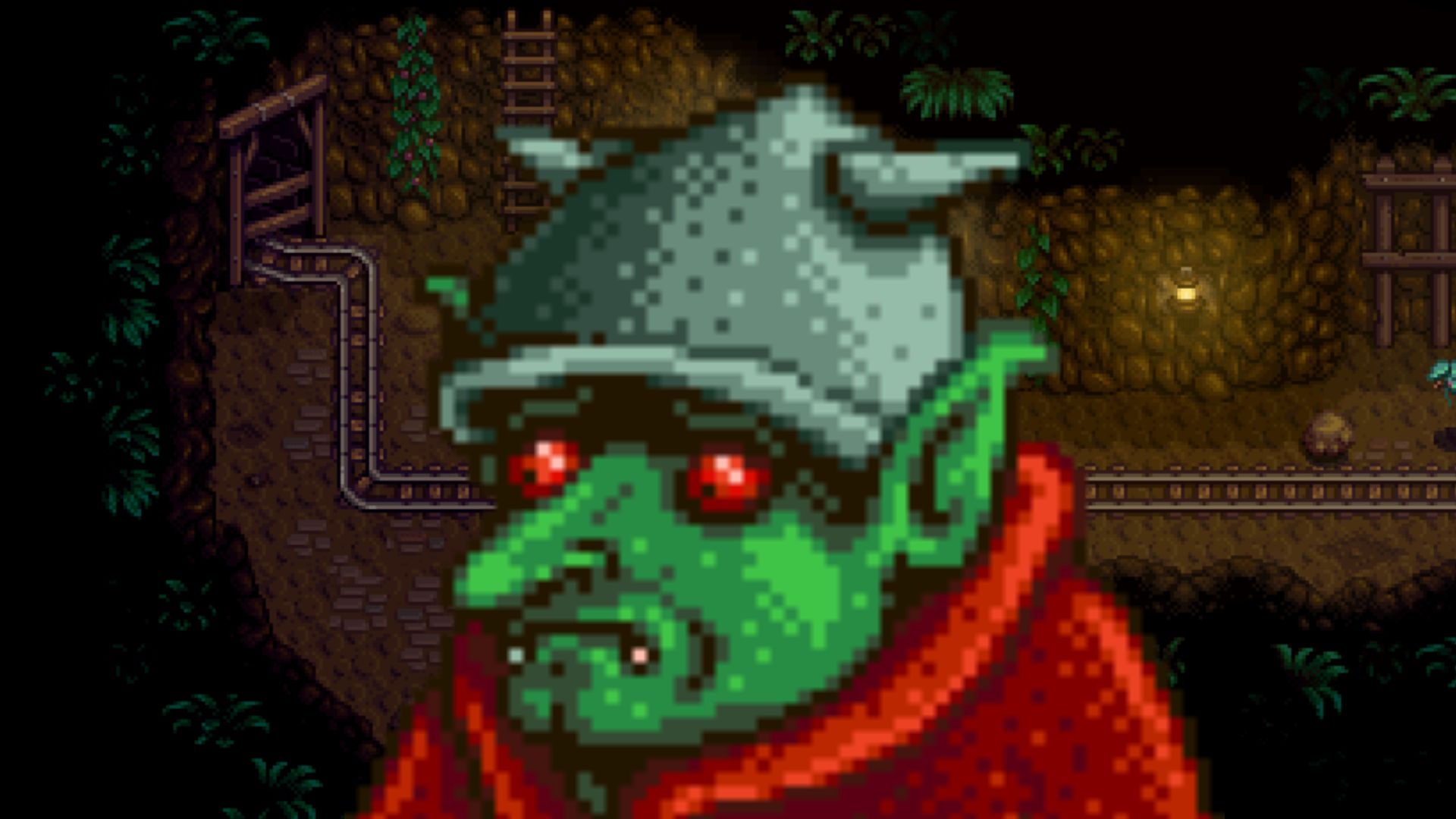
In its place, Stardew Valley adopted pre-authored mine layouts—a choice that prioritized polish over procedural depth. The tradeoff was deliberate: ensuring every visit to the mines felt intentional, with carefully designed biomes and enemies rather than relying on algorithmic generation. This shift also meant losing other planned elements, such as the goblin villages, which were scrapped alongside the procedural system.
What Was Lost—and Why
- Procedural Mine Generation: A dynamic, top-down mining experience where players dug through walls to explore hidden layers.
- Goblin Villages: Underground settlements with tiny goblin furniture, enemies, and even graves—adding a layer of emergent storytelling.
- Mine Biomes & Enemies: Pre-authored layouts replaced procedural generation, ensuring consistency and polish in the final product.
The decision to scrap the procedural system wasn’t made lightly. The developer acknowledged that while the idea had merit, its execution was beyond the scope of Stardew Valley’s design. The game’s focus shifted toward delivering a refined, handcrafted experience—one where every biome felt intentional and every encounter meaningful.
Though the goblin villages are now non-canon, their legacy lives on in the game’s modding community, which continues to explore lost ideas through player-created content. For those who never experienced them, the footage serves as a poignant reminder of how game development often involves tough choices between ambition and feasibility.