The Snapdragon X2 Elite Extreme, armed with an 18-core CPU, delivers impressive standalone performance. However, when pitted against Apple's latest M-series chips, the gap becomes evident. Benchmarks show that while the Snapdragon X2 Elite Extreme holds its own in single-threaded tasks, it falls significantly behind in multi-threaded workloads.
In a direct comparison on Geekbench 6, the Snapdragon X2 Elite Extreme scores 4,033 in single-core and 23,198 in multi-core performance. These figures are notable improvements over its predecessor, the Snapdragon X Elite, but they pale in comparison to Apple's offerings. The M5 Pro, with a similar 18-core configuration, achieves a single-core score of 4,242 and a multi-core score of 28,111—marking it 5.2 percent faster in single-threaded tasks and 21.2 percent faster in multi-threaded tasks.
The M5 Max further solidifies Apple's lead, with a single-core score of 4,268 and a multi-core score of 29,233. This translates to a 5.8 percent advantage in single-core performance and a staggering 26 percent edge in multi-core tasks over the Snapdragon X2 Elite Extreme. Even the older M4 Max, with a 16-core CPU, outperforms the Snapdragon X2 Elite Extreme by 0.4 percent in single-core and 14.27 percent in multi-core performance.
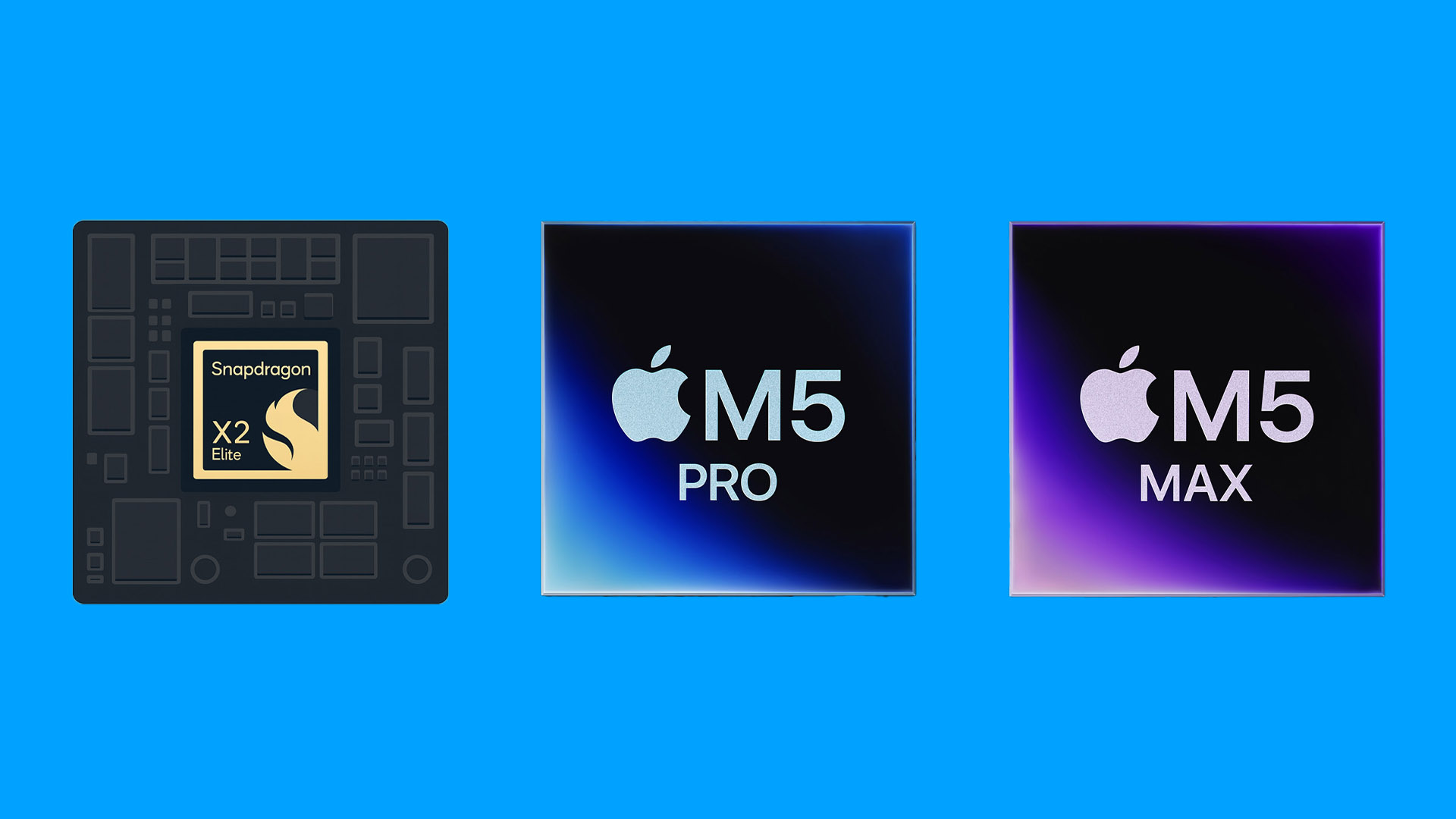
For developers and administrators, these benchmarks highlight a critical consideration: while the Snapdragon X2 Elite Extreme is a capable chip, its performance does not yet match Apple's M-series counterparts. This discrepancy could influence deployment decisions, particularly for workloads that rely heavily on multi-threaded processing. Qualcomm, in its second generation of custom CPU cores for laptops, has made significant strides, but it remains clear that Apple holds a substantial lead in both single and multi-core performance.
Looking ahead, the Snapdragon X2 Elite Extreme may find its niche in specific use cases where power efficiency or platform compatibility takes precedence over raw performance. However, for applications demanding high multi-threaded performance, Apple's M5 Pro and M5 Max remain the benchmarks to beat. As Qualcomm continues to refine its Oryon cores, future iterations could potentially narrow this gap, but for now, the M-series chips set a high bar.