The Snapdragon C platform is not just another chip for budget laptops—it’s a rethinking of how entry-tier devices balance cost, efficiency, and performance. Designed for students, families, and small businesses, it promises long battery life, cool operation, and smooth handling of daily tasks like web browsing, video streaming, and productivity apps. But what does this mean in practice, and where does it stand against competitors?
Unlike higher-end Snapdragon processors, the C series is built for affordability without compromising on key features. It supports dual 4K displays, Wi-Fi 6E, Bluetooth 5.2, and a range of connectivity options that were previously rare in sub-$500 laptops. This makes it a strong candidate for power users who need more than just basic computing but don’t want to pay premium prices.
Where It Fits
The Snapdragon C platform bridges the gap between ultra-low-cost x86 chips and higher-end ARM-based processors. It’s designed to run on Windows 11, leveraging Qualcomm’s experience in mobile platforms while addressing the specific needs of laptop users—longer battery life, better thermal management, and quieter operation. For OEMs like Acer, HP, and Lenovo, this means they can offer devices that stand out in a crowded entry-tier market without increasing costs significantly.
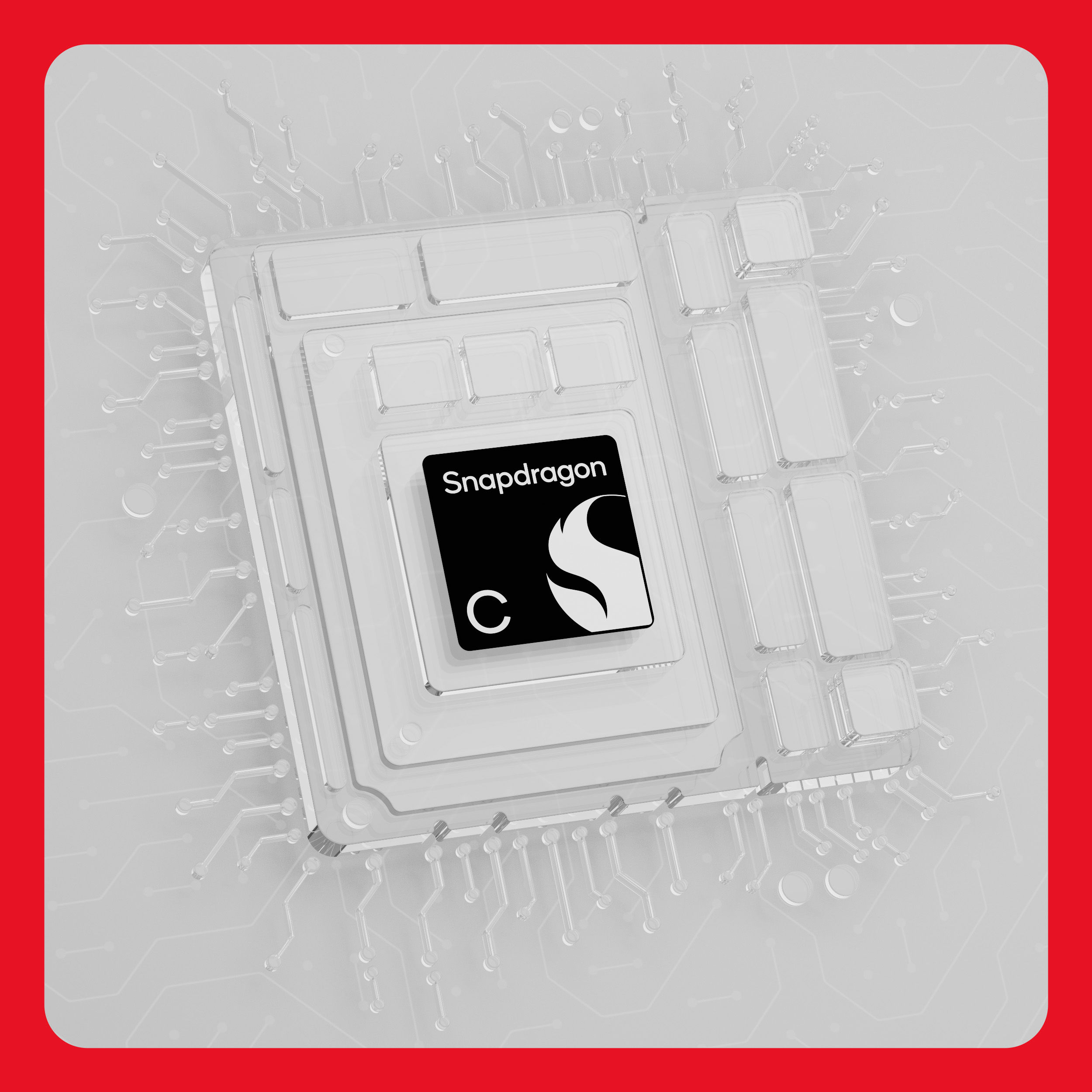
Key Specs
- Chip: Snapdragon C platform (ARM-based)
- Performance: Optimized for web browsing, video streaming, productivity apps, and video calls
- Display: Supports dual 4K displays
- Connectivity: Wi-Fi 6E, Bluetooth 5.2, USB-C with DisplayPort
- Power Efficiency: Long battery life, cool and quiet operation
The platform’s focus on power efficiency is its standout feature. Unlike many budget chips that throttle performance to save battery, the Snapdragon C aims to deliver consistent responsiveness while maintaining long runtime. This is particularly important for users who rely on their laptops for extended periods—whether for work, study, or content creation.
What’s Confirmed—and What Isn’t
Pricing and availability are still unconfirmed, but the platform’s design suggests it will compete directly with Intel’s low-power N-series chips and AMD’s entry-level APUs. If Qualcomm follows its usual strategy, we can expect devices to launch in late 2026 or early 2027, with a focus on OEM partnerships. The lack of a confirmed price range means power users should watch for benchmarks and real-world performance reviews before making purchasing decisions.
The Snapdragon C platform is not a game-changer for high-performance computing, but it could redefine what entry-tier laptops can deliver. For those who prioritize battery life, efficiency, and cost, this could be the next step forward—without the premium price tag of higher-end ARM processors.