Industry expectations around AI infrastructure are shifting from speculation to concrete development, with SK Hynix and NVIDIA solidifying a long-term collaboration that will shape the next wave of memory technology for AI systems.
The partnership extends beyond traditional GPU-memory dynamics. While high-performance GPUs like the RTX 5090 continue to dominate discussions around AI acceleration, this agreement targets the foundational layer—memory solutions designed specifically for large-scale AI deployments. The focus is not just on raw performance but on integrating AI into semiconductor design itself, potentially redefining how chips are engineered and manufactured.
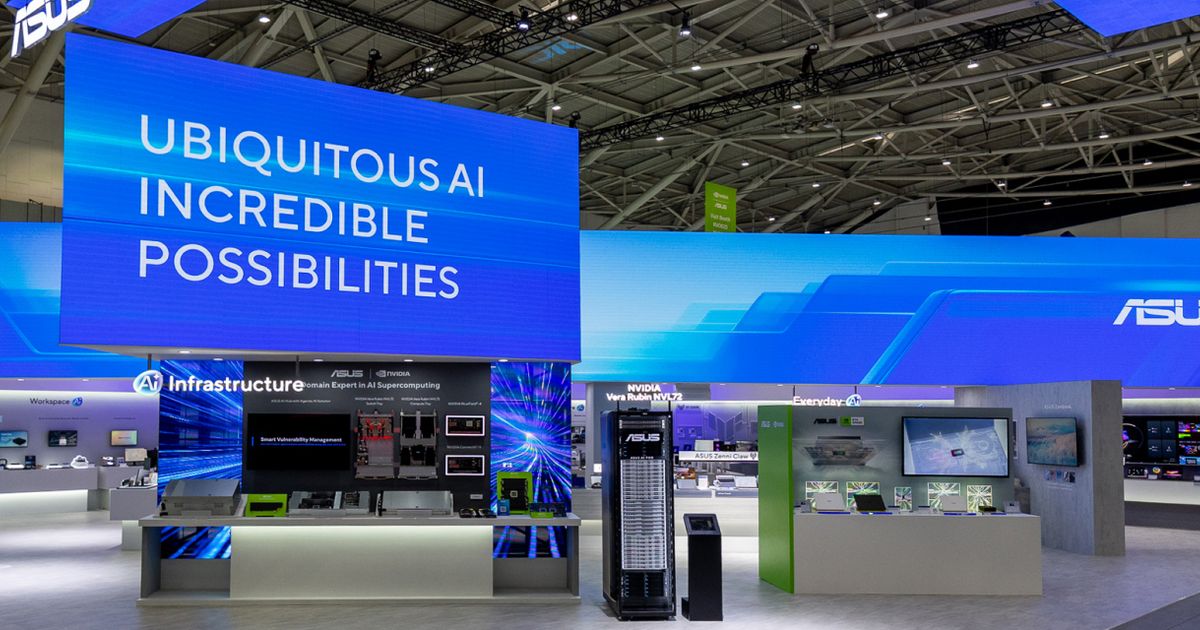
What might seem like an incremental step—a deeper collaboration between two established tech giants—actually represents a pivot in how AI infrastructure is being built. Historically, memory advancements have followed GPU roadmaps, but this partnership suggests a more integrated approach where memory is co-developed with the systems it will power. This includes NVIDIA's Vera Rubin supercomputers and Jetson Thor robotic platforms, indicating that memory optimization will now be as critical as compute in defining AI performance.
The immediate impact is clear: SK Hynix will supply specialized memory for NVIDIA's expanding AI ecosystem, ensuring consistency with the company's long-term roadmap. However, the broader implications are more significant. By embedding AI into semiconductor simulation and fab operations, the partnership could accelerate innovation in chip design, potentially reducing development cycles while improving efficiency. This is not just about faster GPUs or more powerful memory—it's about rethinking how hardware and software co-evolve.
One area of focus will be digital twins for semiconductor fabs. Using NVIDIA's Omniverse platform and CUDA-X libraries, SK Hynix aims to create virtual replicas of manufacturing environments. These digital twins could enable real-time optimization of production workflows, from robot movement to material handling, using GPU-accelerated decision engines like cuOpt. The goal is autonomous fab operations, where AI systems handle complex logistics without human intervention—a leap forward in industrial automation.
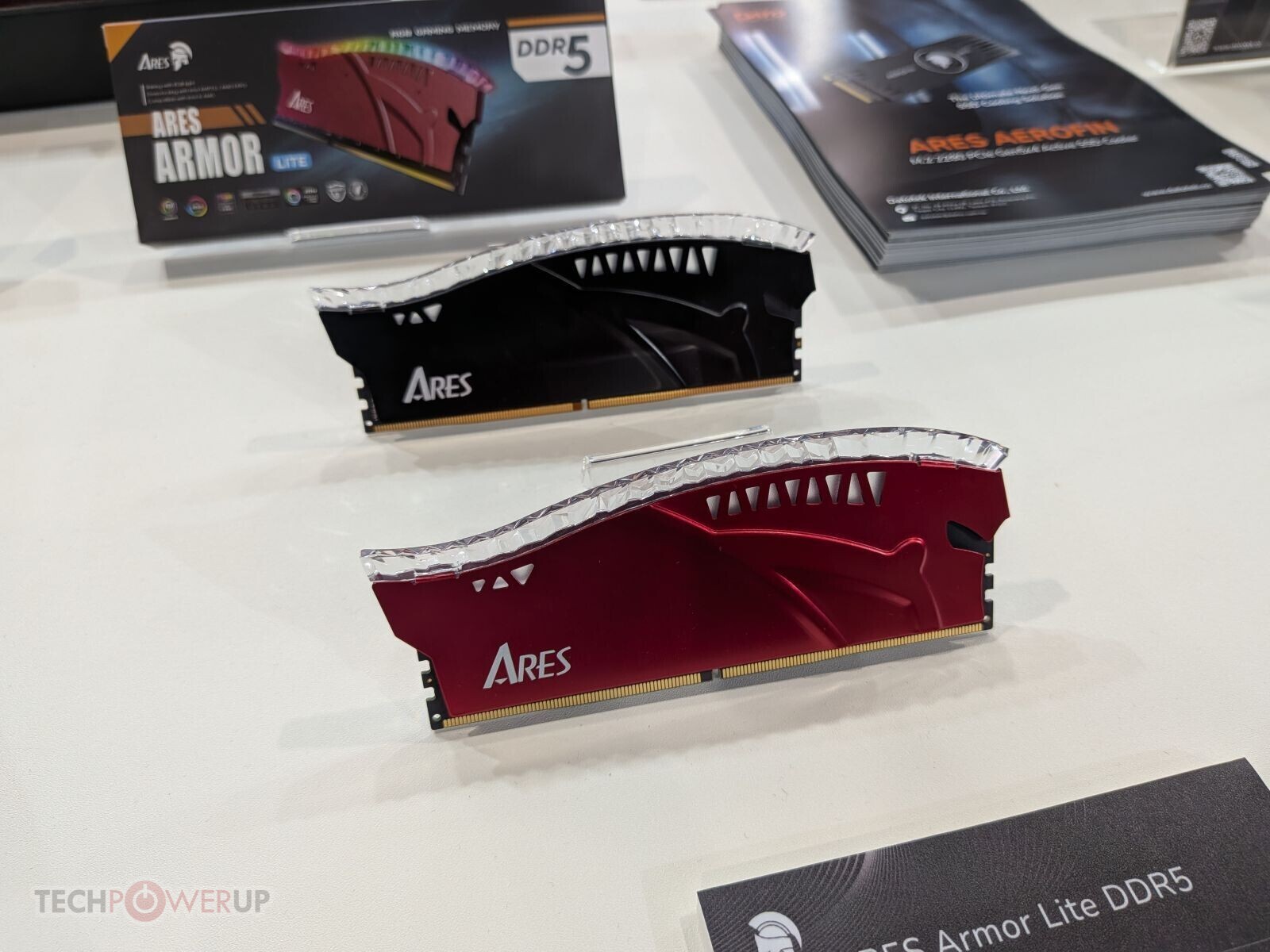
For IT teams and hardware engineers, the partnership signals a shift toward memory that is not just faster or more capacity-dense but also smarter. Future memory modules will likely incorporate AI-driven features, such as adaptive error correction or predictive load balancing, to match the demands of next-generation AI workloads. This could mean that memory selection for AI systems will no longer be a secondary consideration but a primary one, with performance metrics extending beyond bandwidth and latency to include AI efficiency.
What remains uncertain is how quickly these advancements will reach broader markets. While NVIDIA's Vera Rubin and Jetson platforms are high-profile targets, the integration of AI into semiconductor design tools may take longer to materialize in consumer or enterprise products. However, the timeline for memory supply—aligned with NVIDIA's infrastructure roadmap—suggests that the first tangible changes could appear within two to three years.
The partnership also raises questions about market dynamics. If SK Hynix and NVIDIA succeed in optimizing memory for AI factories, will this create a new standard for performance benchmarks? Or will it merely reinforce NVIDIA's dominance in the GPU space while leaving room for competitors to innovate in other areas? The answer may lie in how open these tools become—whether they remain proprietary or evolve into industry standards.
For now, the focus is on execution. The multi-year agreement ensures that memory supply keeps pace with AI infrastructure demands, but the real test will be in translating co-development efforts into measurable improvements. If successful, this partnership could redefine what it means to build an 'AI factory,' moving beyond the metaphor of datacenters to a more literal interpretation where hardware and software are co-designed from the ground up.