Seagate’s Mozaic 4+ hard drives have entered production, offering up to 44 TB per disk—a significant leap that positions them as a key enabler for next-generation data center storage. This isn’t just an incremental upgrade; it represents a fundamental shift in how enterprises approach scalability and energy efficiency in high-performance environments.
The Mozaic 4+ platform leverages heat-assisted magnetic recording (HAMR) technology, making it the first to deploy HAMR at this scale for hyperscale data centers. Initial shipments are already reaching two major cloud providers, with broader rollouts planned as production scales. The platform’s architecture, which includes a next-generation suspension system and an advanced system-on-a-chip, ensures higher storage densities without compromising enterprise-grade reliability or requiring significant design overhauls.
One of the standout features is Seagate’s vertical integration of laser technology, a custom-designed component that enhances yield, reliability, and supply chain stability. This in-house development streamlines qualification processes and supports more predictable manufacturing economics—a critical factor as data demands continue to outpace historical growth. The efficiency gains are already tangible: deploying one exabyte with Mozaic 4+ reduces the data center footprint by approximately 100 square feet and lowers annual energy consumption by roughly 0.8 million kilowatt-hours compared to standard 30 TB drives.
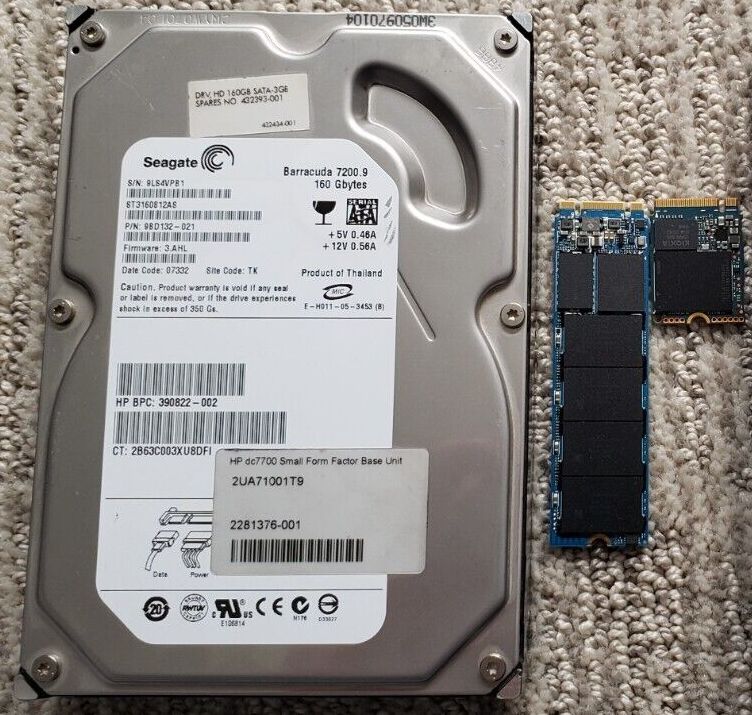
The impact on AI workloads is immediate and substantial. Training large models requires vast amounts of data, both real and synthetic, that must be stored, managed, and accessed efficiently. The Mozaic 4+’s incremental capacity increases address this by allowing storage systems to scale without expanding infrastructure or energy usage, providing a clear economic advantage for AI-driven operations. This efficiency isn’t just about storing more data; it’s about optimizing resources to deliver performance where it matters most.
Seagate’s roadmap extends beyond the Mozaic 4+, with plans to introduce 10 TB drives by 2026 and eventually target 100 TB capacities. For enterprises, this means an opportunity to future-proof their data strategies today, balancing cost, performance, and sustainability without sacrificing reliability. The platform’s ability to scale incrementally—from its current 9 TB, 32 TB, and 55 TB offerings to the new 44 TB capacity—ensures that data centers can adapt without disruption, even as demands continue to grow.
The Mozaic 4+ is more than a product; it’s a statement on the future of storage. By pushing the boundaries of density and efficiency, Seagate is setting a new benchmark for what’s possible in data center infrastructure, one that will likely influence how the industry approaches storage for years to come.