The Seagate One Touch USB hard drive stands out as a practical choice for those looking to add significant storage capacity without the complexity or cost of external enclosures. Its design eliminates the need for additional cables or adapters, making it one of the simplest ways to increase storage on the go.
Unlike traditional USB drives, this model combines the capacity of an internal hard drive with the convenience of a pre-configured USB connection. Users can simply plug in the device and start transferring data without any setup, which is particularly useful for backup tasks or transporting large files between systems. The 5 TB model, for example, delivers high-density storage at a price point that undercuts many competing solutions.
Performance is a key consideration for storage devices used in regular backups or file transfers. The One Touch USB leverages Seagate’s established drive technology, ensuring reliable read and write speeds that meet everyday user needs without overpromising on speed benchmarks. While it may not match the performance of high-end SSDs, its cost-per-gigabyte ratio makes it a compelling option for bulk storage tasks.
Simplicity with Tradeoffs
The device’s greatest strength—its plug-and-play nature—also introduces limitations. Unlike traditional external drives that allow users to swap out internal disks, the One Touch USB is locked into its current configuration. This means users cannot upgrade or replace the drive internally once it’s in use, which could be a drawback for those anticipating future storage needs.
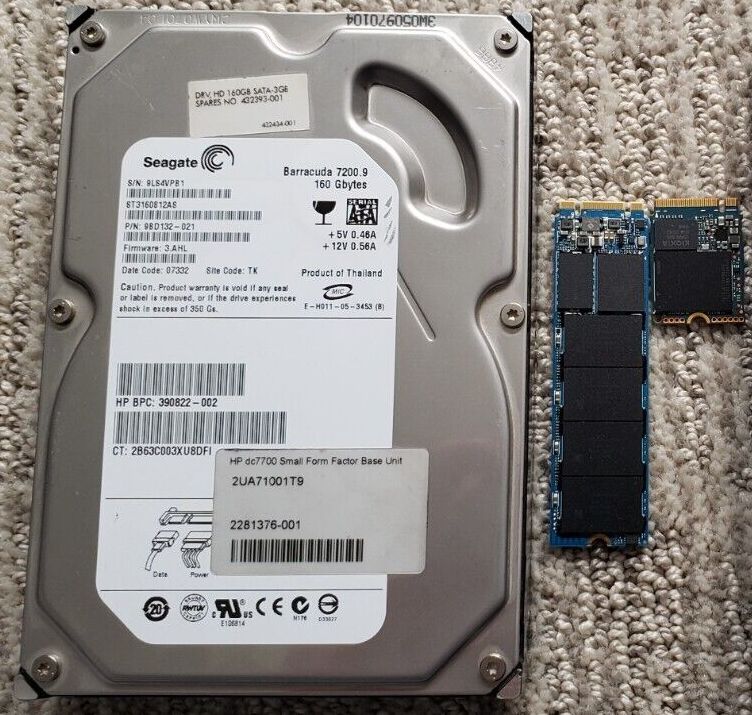
Another consideration is durability. While Seagate’s reputation for reliable hard drives extends to this model, the lack of ruggedization makes it less ideal for extreme environments compared to more robust external enclosures. However, for home or office use where physical stress isn’t a concern, this drive excels in delivering straightforward, high-capacity storage.
Who Should Use It?
The One Touch USB is best suited for users who prioritize ease of use and cost efficiency over flexibility or ruggedness. Whether it’s for backing up large media libraries, storing project files, or simply expanding desktop capacity, this drive offers a no-fuss approach to storage expansion. Its lack of advanced features means it won’t appeal to power users, but its simplicity makes it an attractive option for those who just need more space without the fuss.
For those watching for future pricing trends, Seagate’s competitive positioning suggests this model will remain a strong contender in the budget storage segment. While specific availability timelines aren’t announced, the current pricing and feature set indicate it’s designed to fill a gap where traditional drives fall short—offering more capacity at a lower cost without sacrificing usability.