Samsung's development of a RISC-V-based SSD controller chip marks a significant departure from the industry's long-standing reliance on ARM architecture. The move, codenamed 'Titan,' aims to introduce a new level of customization and efficiency in storage solutions, potentially reshaping how data is processed in high-performance systems.
The Titan chip is designed to handle high-speed NVMe protocols while optimizing power efficiency without compromising throughput. This balance is crucial for next-generation SSDs that cater to gamers and professionals who demand both speed and reliability. By leveraging RISC-V's open architecture, Samsung can tailor instruction sets to specific workloads, offering a level of flexibility not typically seen in ARM-based controllers.
While no performance benchmarks are available yet, industry insights suggest the chip could make its debut in 2025, pending successful development. This would represent a notable milestone, as it would be one of the first major storage controllers to break away from ARM's influence since the technology's commercialization. The implications of this shift extend beyond hardware, potentially enabling deeper integration with AI-accelerated storage systems where customizable instruction pipelines are increasingly valuable.
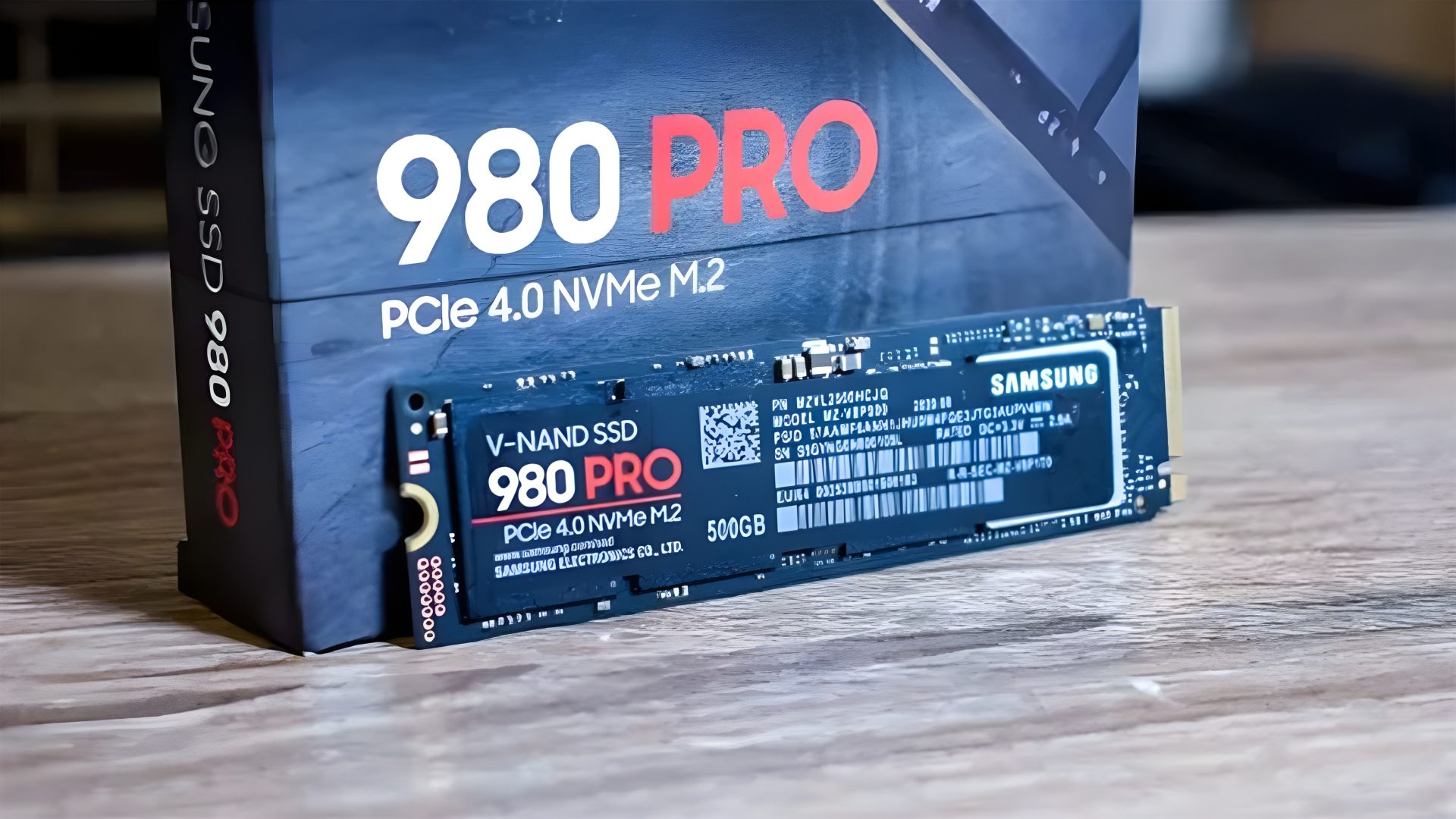
For gamers, a RISC-V-based SSD could translate to faster load times and more responsive performance in future platforms. However, the adoption of this technology hinges on its ability to overcome legacy ARM dependencies without disrupting existing workflows. If successful, this move by Samsung aligns with broader trends in computing, where control over architecture is becoming a competitive advantage, as seen with Apple's shift to custom silicon and NVIDIA's dominance in AI-ready hardware.
The potential impact of the Titan chip on the storage market cannot be understated. It could pave the way for more innovative and efficient SSD designs, benefiting not only gaming systems but also data-center applications where performance and power efficiency are paramount. As the industry watches this development, the focus will be on whether RISC-V can successfully carve out a niche in consumer SSDs and how quickly gaming platforms might adopt this change if it delivers measurable gains.