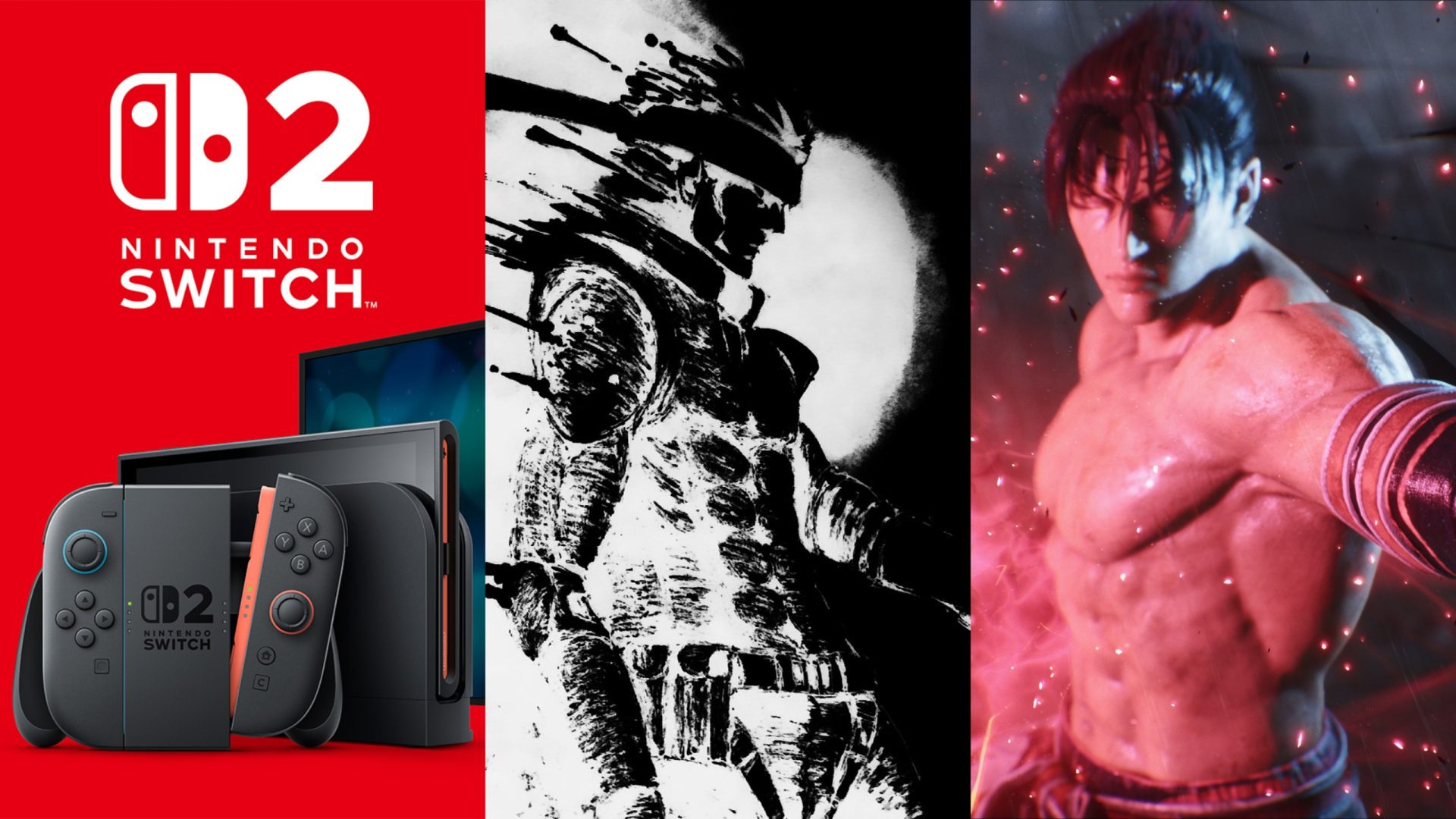
The Nintendo Switch 2 is set to challenge long-held assumptions about console pricing. A reported price increase over the original Switch could reshape how consumers approach gaming hardware upgrades, particularly for creators who rely on performance without sacrificing budget.
Unlike traditional consoles that follow a predictable release cycle, the Switch 2’s timing and cost may force players to rethink their upgrade strategies. If the higher price holds, it could signal broader changes in how companies position mid-generation hardware, especially when demand for more powerful systems grows.
What does the new price mean for creators?
The original Switch launched at 299 USD and quickly became a staple for indie developers and hobbyists. The Switch 2, if priced higher, could test whether that same audience is willing to pay more for incremental improvements like faster performance or better battery life.
One noticeable difference users might see is in daily workloads. Tasks like rendering 3D models or compiling code on the go could become smoother, but only if the hardware justifies the cost. For creators who treat their Switch as both a gaming and productivity device, the decision to upgrade will hinge on whether the performance gains outweigh the price premium.

Will supply and availability follow new rules?
The original Switch faced production constraints early in its lifecycle, leading to long wait times. If the Switch 2 follows a similar path, the higher price could either stabilize or destabilize the market—depending on how Nintendo balances demand with manufacturing capacity.
Industry analysts suggest that this shift may not be isolated to Nintendo. Other companies could begin adopting more aggressive pricing models for mid-tier hardware if consumer willingness to pay increases. For now, the focus remains on whether the Switch 2’s price will align with its actual capabilities or become a canary in the coal mine for an industry rethinking its approach to console economics.
The most significant change this could bring is a normalization of premium pricing for mid-generation hardware. If consumers accept that upgrades come at a cost, it may set a precedent for future gaming devices—one where performance and value are no longer mutually exclusive.