Samsung’s next-generation foldable device, the Galaxy Z Fold 8, is expected to skip significant hardware improvements that were previously standard in the series. This shift could leave it trailing behind the Galaxy S26 Ultra, which remains a more capable and cost-effective option for businesses evaluating premium foldables.
The decision to downgrade core components—particularly in display refresh rates and chip performance—suggests a strategic pivot away from aggressive annual upgrades. For small enterprises relying on these devices for productivity and mobility, the trade-off between form factor and functional gains will become a critical consideration when planning hardware refresh cycles.
Performance and Display: A Step Back?
Sources indicate that the Galaxy Z Fold 8 may retain a 120Hz display rather than adopting the 144Hz update seen in earlier models. Simultaneously, reports suggest the device could skip the Snapdragon 8 Gen 3 chip, instead opting for an older generation or a less powerful variant. While Samsung has not confirmed these changes, industry observers note that such downgrades would mark a departure from recent trends where foldables competed closely with flagship smartphones in both performance and visual fidelity.
Market Implications: Why It Matters
The potential downgrade is not merely a technical detail—it reshapes the competitive landscape for businesses. The Galaxy S26 Ultra, already positioned as a powerhouse in Samsung’s lineup, would gain further ground if the Fold 8 fails to deliver comparable advancements. For small businesses, this means the S26 Ultra could emerge as the default choice for those who prioritize raw performance over the foldable form factor, even if the latter offers unique productivity features like multi-window versatility.
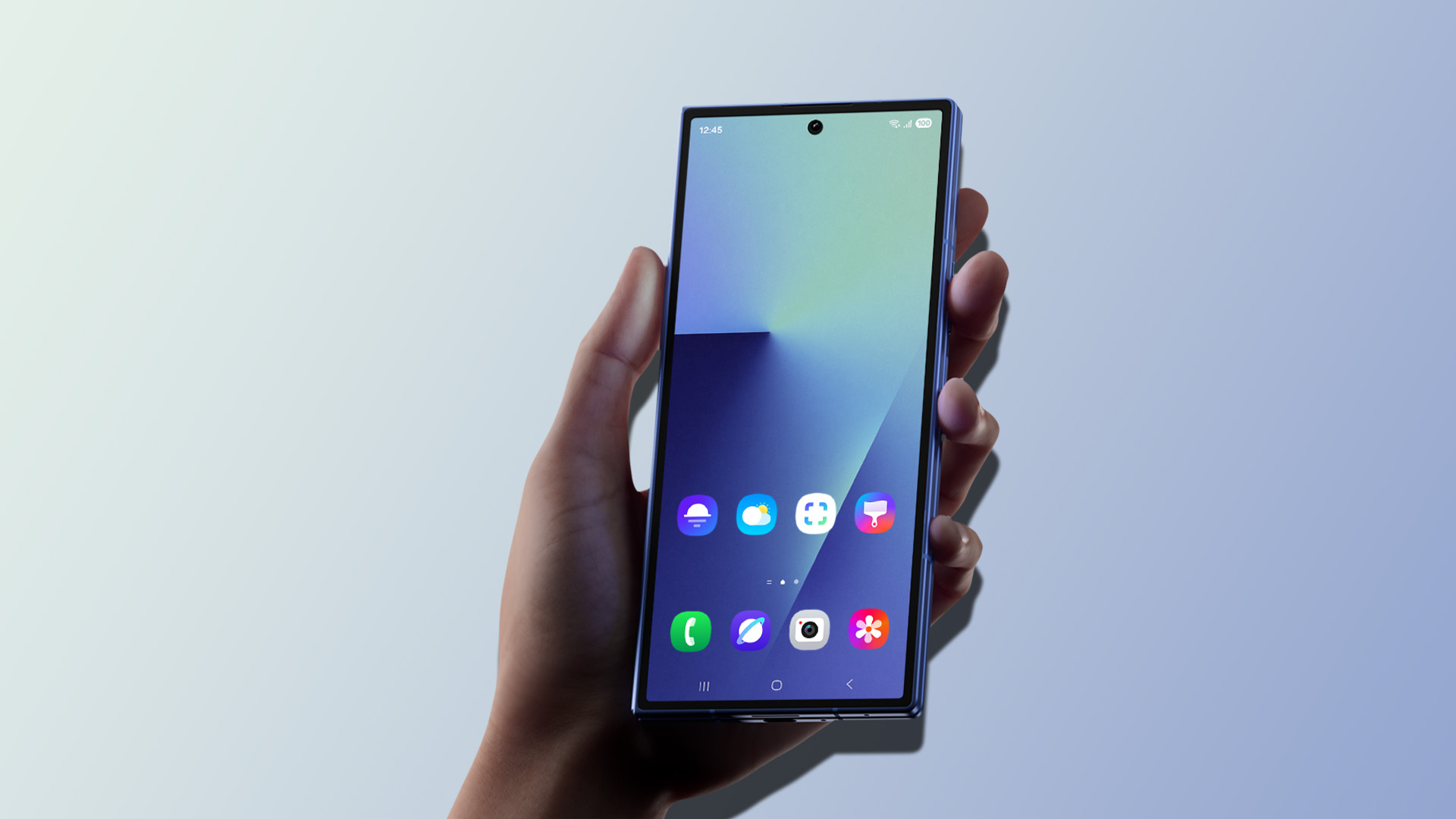
- Display: 120Hz (estimated), down from 144Hz in previous models
- Chipset: Likely Snapdragon 8 Gen 2 or lower, skipping the Gen 3 upgrade
- Storage: No confirmed changes, but industry speculation suggests no significant expansion beyond 256GB base storage
- Battery: No major improvements expected; likely similar to Fold 7’s 4,400mAh capacity
While the Galaxy Z Fold 8 may still offer advantages in portability and flexibility for specific workflows—such as note-taking or media consumption—the loss of performance headroom could limit its appeal in enterprise environments where processing demands are non-negotiable. Businesses will need to weigh whether the foldable’s unique capabilities justify the potential compromise in speed and efficiency.
For those already invested in Samsung’s ecosystem, the Fold 8 may still hold value as an incremental upgrade rather than a revolutionary leap. However, the market dynamics suggest that the S26 Ultra could become the more compelling option for businesses prioritizing performance and longevity over form factor innovation. Availability details remain unconfirmed, but leaks point to a late-2024 release window, aligning with Samsung’s typical product cycle.