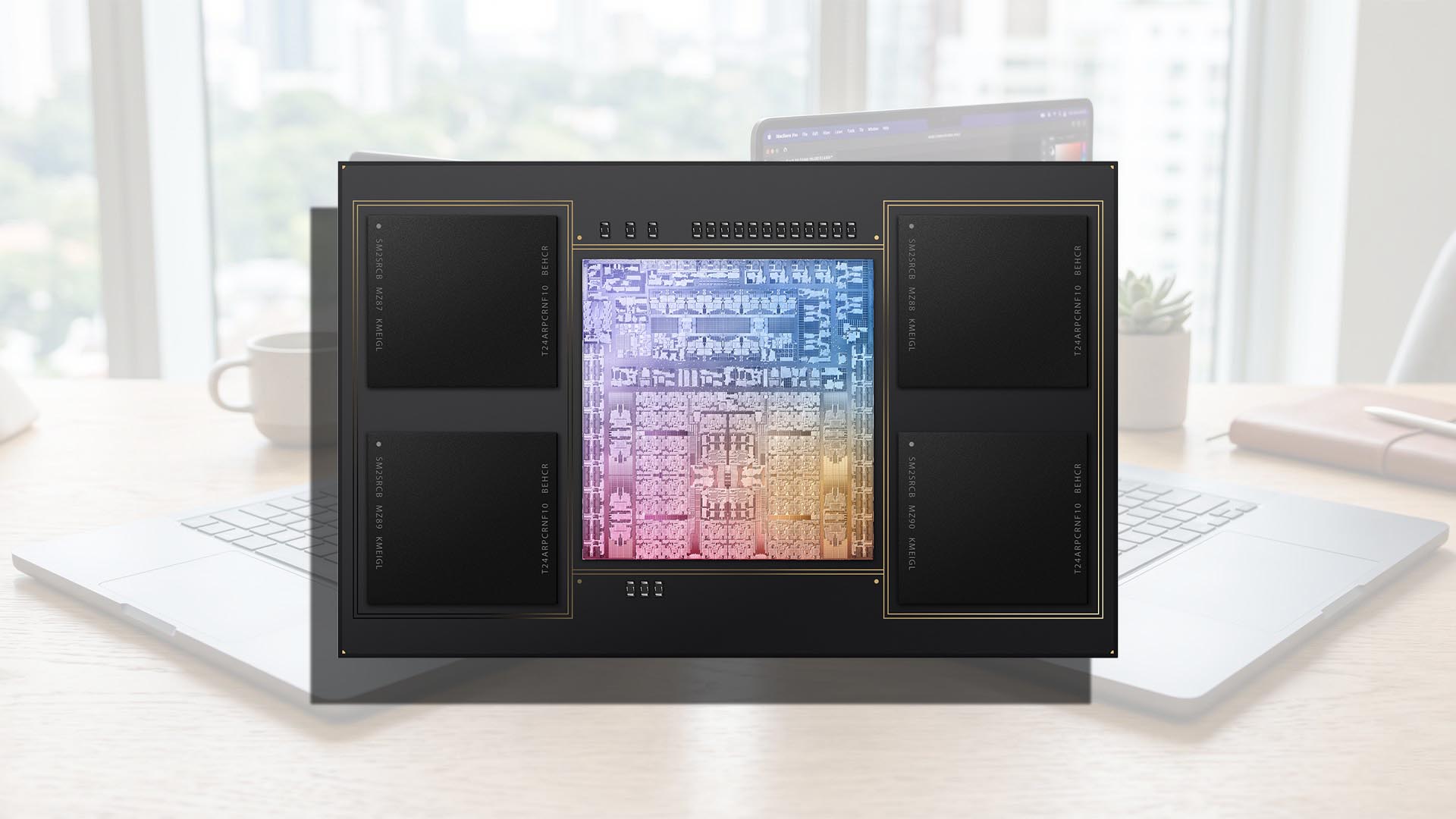
The mobile processor landscape is about to shift. Samsung’s latest Exynos 2700S chipset is poised to redefine what’s possible in high-performance mobile devices, particularly in how memory bandwidth and thermal management interact. This isn’t just an incremental upgrade—it represents a leap forward that could reshape the balance between raw power and efficiency for creators and power users.
At the heart of this evolution is Samsung’s implementation of its SBS (Stacked Buffer System) architecture, designed to maximize memory bandwidth without sacrificing thermal performance. Previous iterations of the Exynos family have already demonstrated strong competition with Qualcomm’s Snapdragon offerings, but the 2700S takes that a step further. By pushing memory bandwidth to levels that are estimated to be 30-40% higher than competing platforms, Samsung is addressing one of the most critical bottlenecks in mobile computing: the ability to feed data quickly and efficiently to the CPU, GPU, and NPU.
Key Specifications and Architectural Shifts
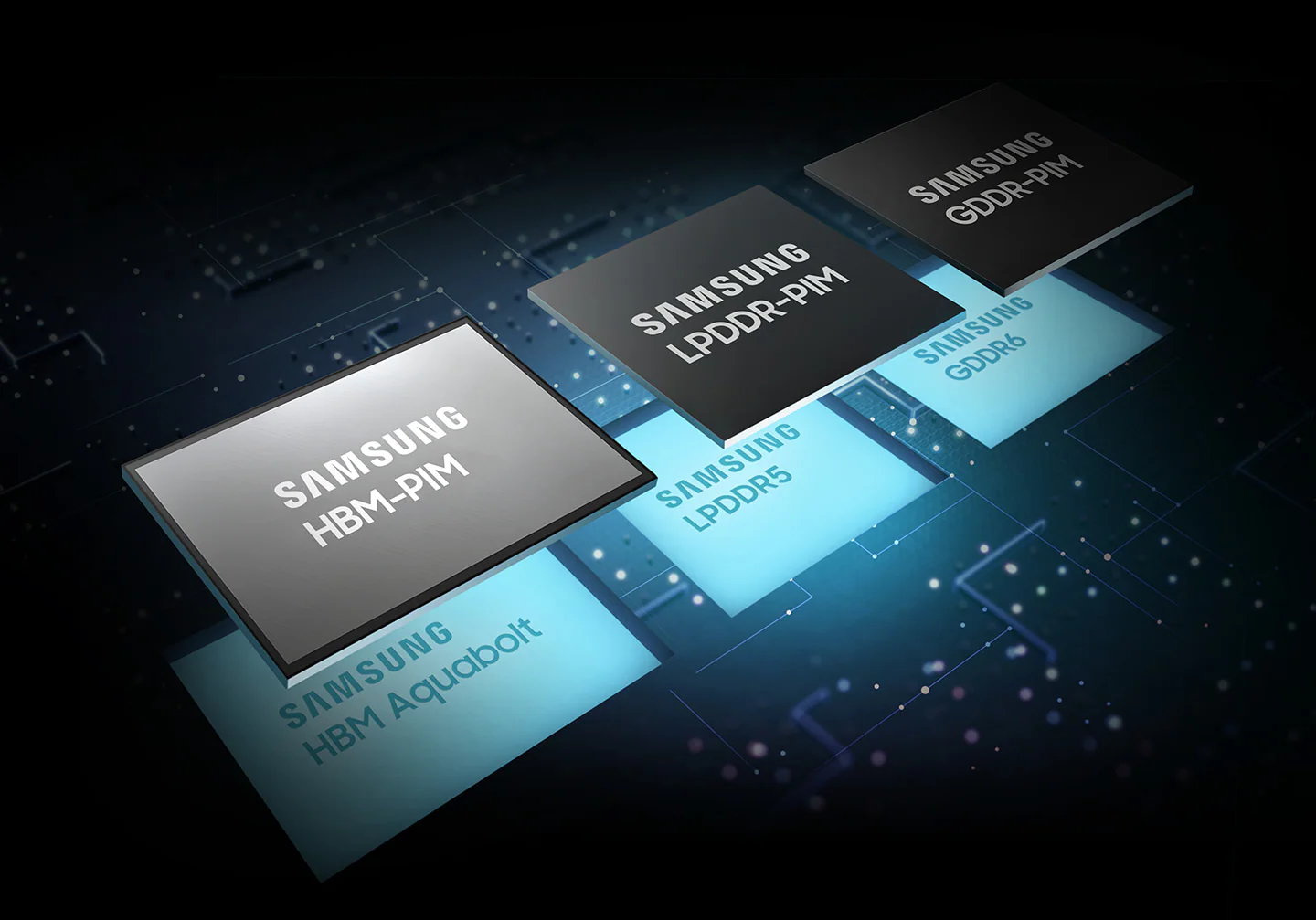
- Memory Bandwidth: The 2700S is expected to deliver up to 1.3 terabytes per second of memory bandwidth, a significant jump from the previous generation’s 900 gigabytes per second. This is achieved through a combination of wider memory channels and Samsung’s proprietary SBS architecture, which stacks buffer components vertically to reduce footprint while increasing throughput.
- Thermal Efficiency: Unlike some competing platforms that rely on aggressive clock speeds or larger cooling solutions, the 2700S maintains its performance gains without proportional increases in heat output. This is a critical advantage for devices where size and weight are constrained, such as premium smartphones or compact tablets.
- CPU and GPU: The chipset features an octa-core CPU with improved power efficiency, paired with a GPU that supports advanced rendering tasks. For creators, this means smoother workflows in video editing, 3D modeling, and other demanding applications.
- NPU (Neural Processing Unit): The NPU has been optimized for AI workloads, including real-time image processing and machine learning tasks, which could be particularly valuable for developers working on edge AI applications.
For users who rely on mobile devices for professional work, the implications are substantial. Higher memory bandwidth translates to faster load times for large files, more responsive multitasking, and improved performance in memory-intensive applications. However, this isn’t just about raw numbers—it’s about how those numbers translate into real-world usability. The 2700S’s architecture suggests that Samsung is prioritizing not only speed but also sustainability in performance, which could be a game-changer for devices that need to balance power and battery life.
Why This Matters for Creators and Developers
The shift toward higher memory bandwidth isn’t just a technical curiosity; it’s a response to the growing demands of mobile creators. Video editors, 3D artists, and app developers increasingly need devices that can handle large datasets without slowing down. The Exynos 2700S addresses this by providing a platform where memory becomes less of a bottleneck and more of an enabler.
But the real innovation lies in how Samsung is managing thermal constraints. Previous generations of high-performance chips have often faced trade-offs: either you get more power at the cost of heat, or you optimize for efficiency but lose some performance. The 2700S seems to break that mold by achieving both simultaneously. This could set a new standard for what’s expected in mobile processors, influencing not just Samsung’s roadmap but also competitors who may need to adapt to keep up.
Looking Ahead: What’s Next for Mobile Performance?
The Exynos 2700S isn’t just a milestone for Samsung—it’s a signal of where the industry is headed. As memory bandwidth becomes a more critical factor in mobile performance, chips that can push these boundaries without sacrificing thermal efficiency will likely dominate. For creators, this means devices that can keep pace with their workflows without compromise.
What remains to be seen is how widely this architecture will be adopted. Samsung has historically been strong in regions where its ecosystem—such as its own displays and memory chips—gives it an edge. Whether the 2700S’s advantages translate into broader market dominance or simply solidify Samsung’s position in key segments, one thing is clear: the bar for mobile performance has just been raised. The question now is whether others will follow suit—or if this will remain a niche advantage for Samsung’s ecosystem.