Samsung’s ambitions to challenge TSMC’s dominance in advanced semiconductor manufacturing hinge on a single, fragile metric: yield rates for its 2nm GAA process. New estimates from an investment firm paint a stark picture—production efficiency falling short of 40%, a figure that could delay profitability targets and force the company to rethink its foundry strategy.
Just six months ago, Samsung was celebrating a milestone: yields for its 2nm process reportedly hitting 50%, a threshold that would have positioned it as a viable alternative to TSMC’s 3nm and 2nm offerings. But the landscape has shifted. The latest analysis suggests the company is still grappling with inefficiencies that could undermine its push to win over high-profile clients, including Tesla and foldable smartphone manufacturers relying on the upcoming Exynos 2600 chipset.
Why the 40% yield gap matters
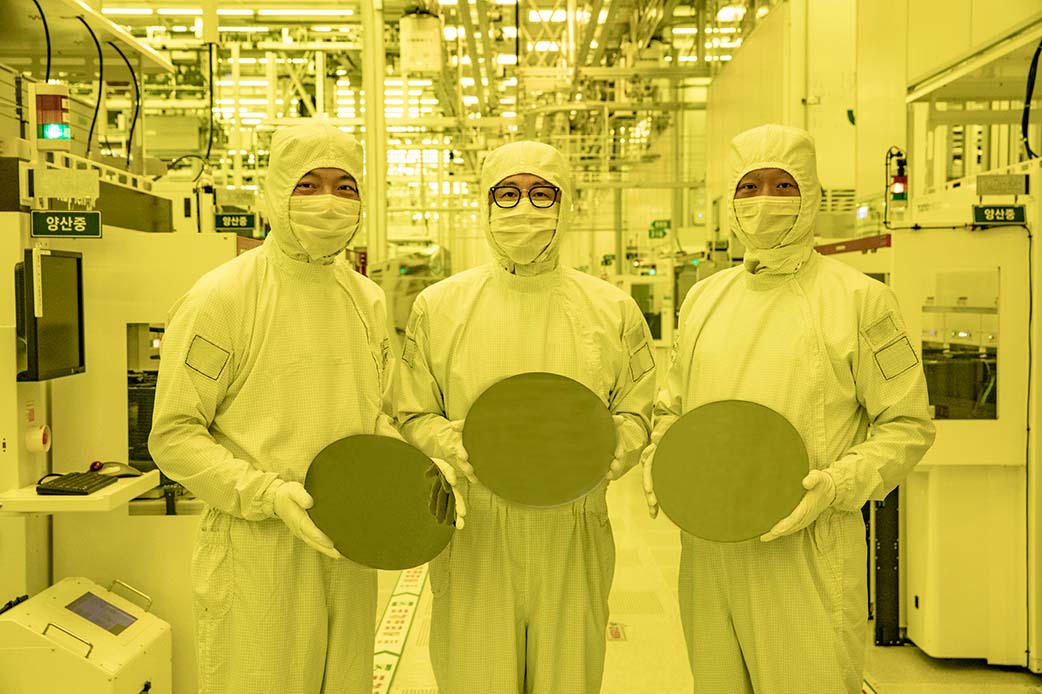
Yield rates—measuring the percentage of functional chips produced from a wafer—are the lifeblood of semiconductor manufacturing. TSMC’s 3nm process, for instance, reportedly achieves yields above 60%, a benchmark that ensures cost competitiveness and customer trust. Samsung’s struggle to clear the 40% threshold isn’t just a technical hiccup; it’s a potential dealbreaker for customers evaluating long-term partnerships.
Consider the context: TSMC’s supply chain is stretched thin, with customers paying up to 100% premiums for allocations. Samsung’s Taylor plant in the U.S.—originally built for 4nm production—is now being repurposed for 2nm wafers, with ASML’s EUV lithography machines slated for testing in March. The question is whether the company can execute this transition without yield-related setbacks.
Exynos 2600: A test case for Samsung’s 2nm future
The Exynos 2600, Samsung’s first 2nm GAA chipset, is already earmarked for foldable devices like the Galaxy Z Flip 8. If yields remain suboptimal, the chip’s production costs could balloon, eroding its appeal for smartphone makers. Meanwhile, Samsung’s foundry business—though showing signs of recovery—still faces a $680 million deficit over the last two quarters of 2025, a figure that underscores the financial strain of underperforming processes.
There’s a silver lining, however. Samsung’s second-generation 2nm process, codenamed SF2P, is reportedly in the final design stages. If the company can stabilize yields for the current iteration, SF2P could deliver the efficiency boost needed to regain momentum. But time is not on its side: competitors like TSMC and Intel are tightening their grip on advanced nodes, leaving little room for error.
What’s next for Samsung’s foundry ambitions?
The stakes are clear. Without a yield breakthrough, Samsung risks losing ground to TSMC in the foundry war, particularly as demand for cutting-edge chips shows no signs of slowing. The company’s ability to secure high-profile clients—from automakers to smartphone OEMs—will depend on proving it can deliver on promises made during its 2nm push.
For now, the focus remains on the Taylor plant’s transition and whether Samsung can turn yield challenges into a springboard for growth. The alternative—a prolonged struggle to compete—could reshape the semiconductor landscape in ways no one anticipated.