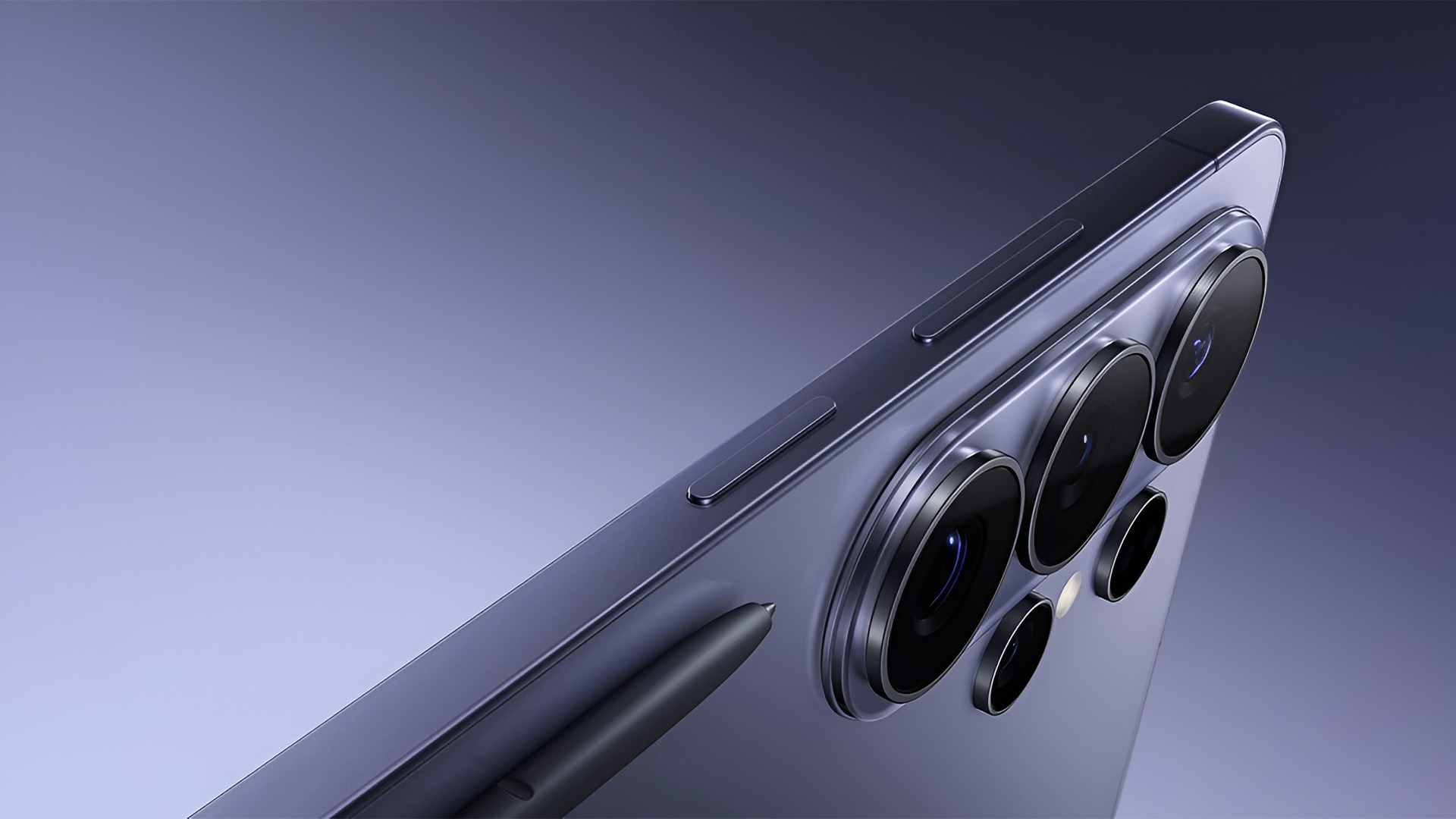
Sony’s camera sensor business, a critical supplier for Apple’s iPhones, is reportedly facing significant production disruptions that could force Apple to diversify its sourcing. If confirmed, this shift would mark one of the most notable changes in the smartphone industry’s supply chain in years.
The disruption at Sony, which has long been Apple’s primary sensor supplier, is said to be affecting yields and delivery timelines. While exact details remain scarce, industry observers suggest that Samsung, already a key player in display and memory components, could step in to fill the gap. This would not only strengthen Samsung’s position in the camera sensor market but also add another layer of complexity to Apple’s supply chain strategy.
Why This Matters for Gamers
A stable and high-quality camera sensor is crucial for both smartphone photography and gaming performance, particularly in mobile gaming where frame rates and image processing play a significant role. If Samsung were to secure a larger share of iPhone sensor orders, it could lead to more standardized hardware across devices, potentially reducing the diversity of camera technologies seen in flagship smartphones. For gamers, this shift might mean more consistent performance but also fewer innovations in mobile photography, which has been a key differentiator for premium devices.
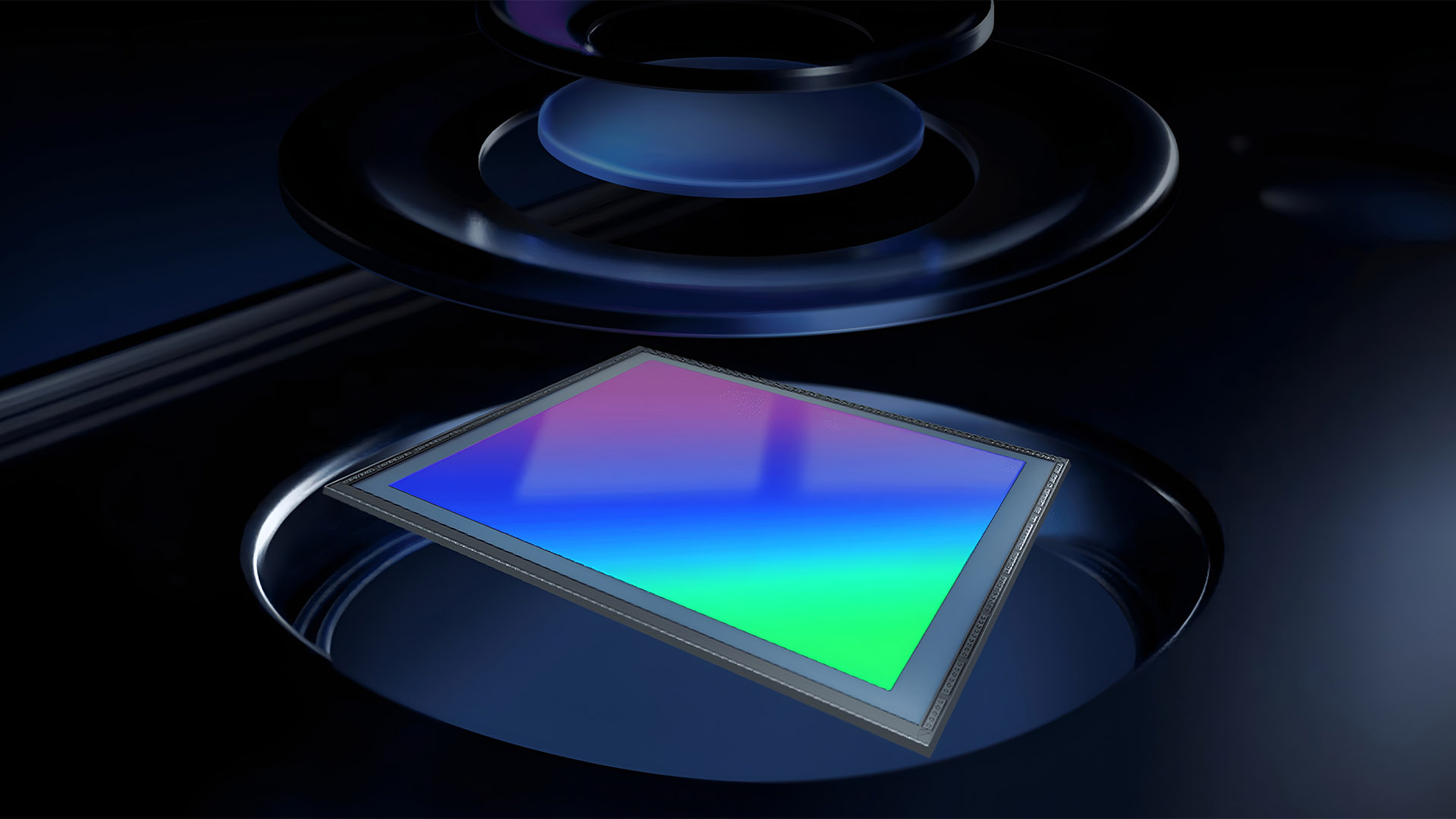
Key Specs and Industry Impact
- Sensor Type: Sony’s IMX series sensors (e.g., IMX986 for 50MP cameras) have been the backbone of iPhone camera systems, known for their high dynamic range and low-light performance.
- Production Impact: Reports indicate that yields are being affected, leading to potential shortages or delays in Apple’s sensor orders. This could disrupt production timelines for upcoming iPhone models.
- Samsung’s Role: Samsung is already a major supplier for displays and memory components. Expanding into camera sensors would further diversify its portfolio and reduce reliance on any single supplier, which could be strategically beneficial for Apple.
The potential shift to Samsung as a primary sensor supplier would also raise questions about platform lock-in. While Sony has long been the dominant player in this space, Samsung’s expertise in display technology and memory could translate into advantages in camera sensor development. For consumers, this might mean more standardized hardware, but it could also limit the variety of technologies seen in high-end smartphones.
Looking ahead, the industry’s response to this disruption will be critical. If Samsung successfully secures a larger share of iPhone sensor orders, it could set a new precedent for supply chain dynamics in the tech industry. For gamers and smartphone enthusiasts, the focus may shift from camera innovations to other areas like performance optimization and software enhancements, which could redefine what we expect from flagship devices.