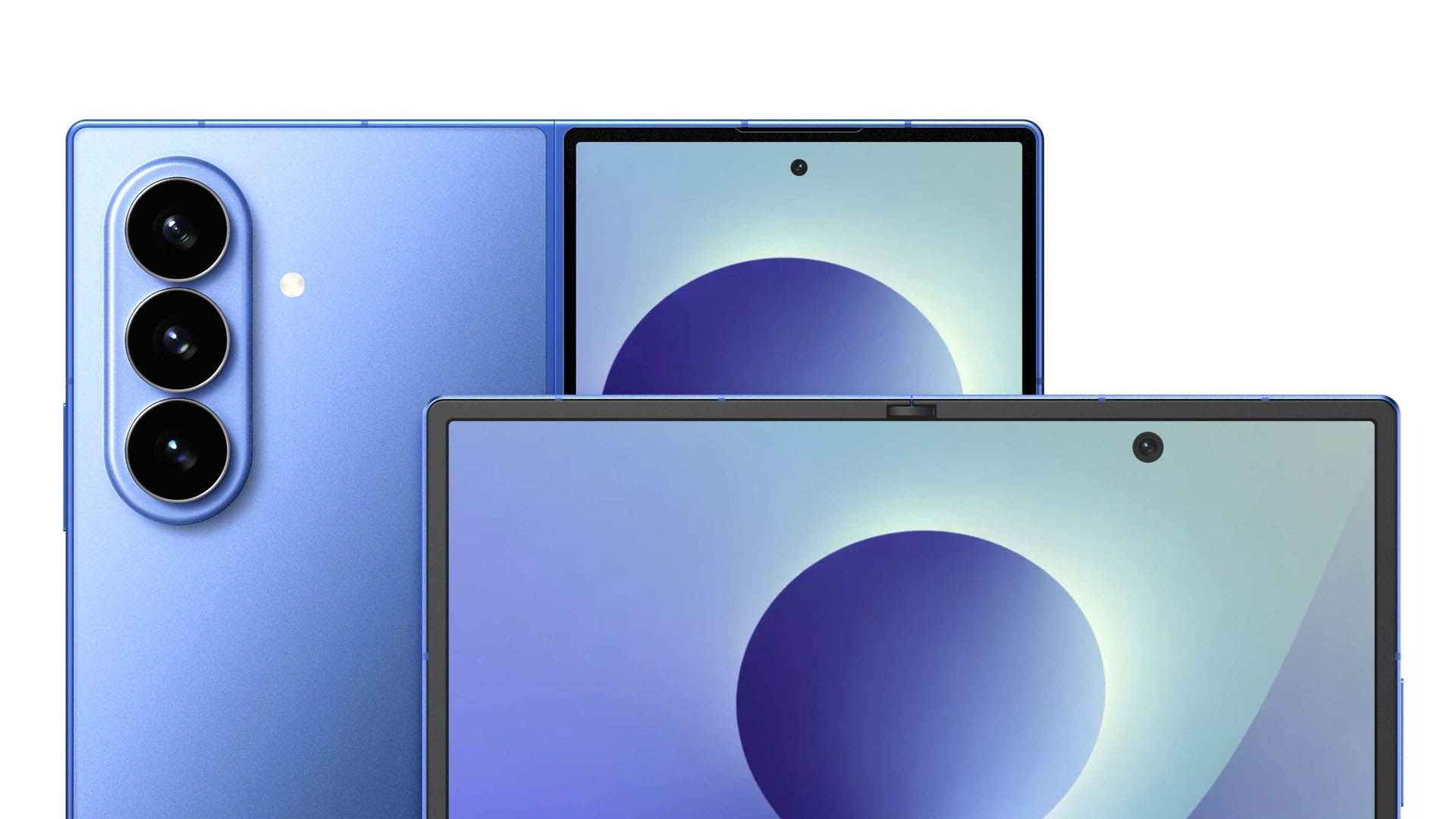
The division between Samsung’s latest flagships isn’t just about price—it’s a strategic reimagining of who a smartphone should serve. The Galaxy S26+ starts at $899, targeting users who demand flagship performance without the Ultra’s specialized hardware. The Ultra, priced from $1,299, leans into professional-grade features: a 200MP main camera, a 50MP periscope zoom, and a Privacy Display that dynamically obscures content from side angles. This isn’t just an upgrade; it’s a redefinition of what a smartphone can do for different audiences.
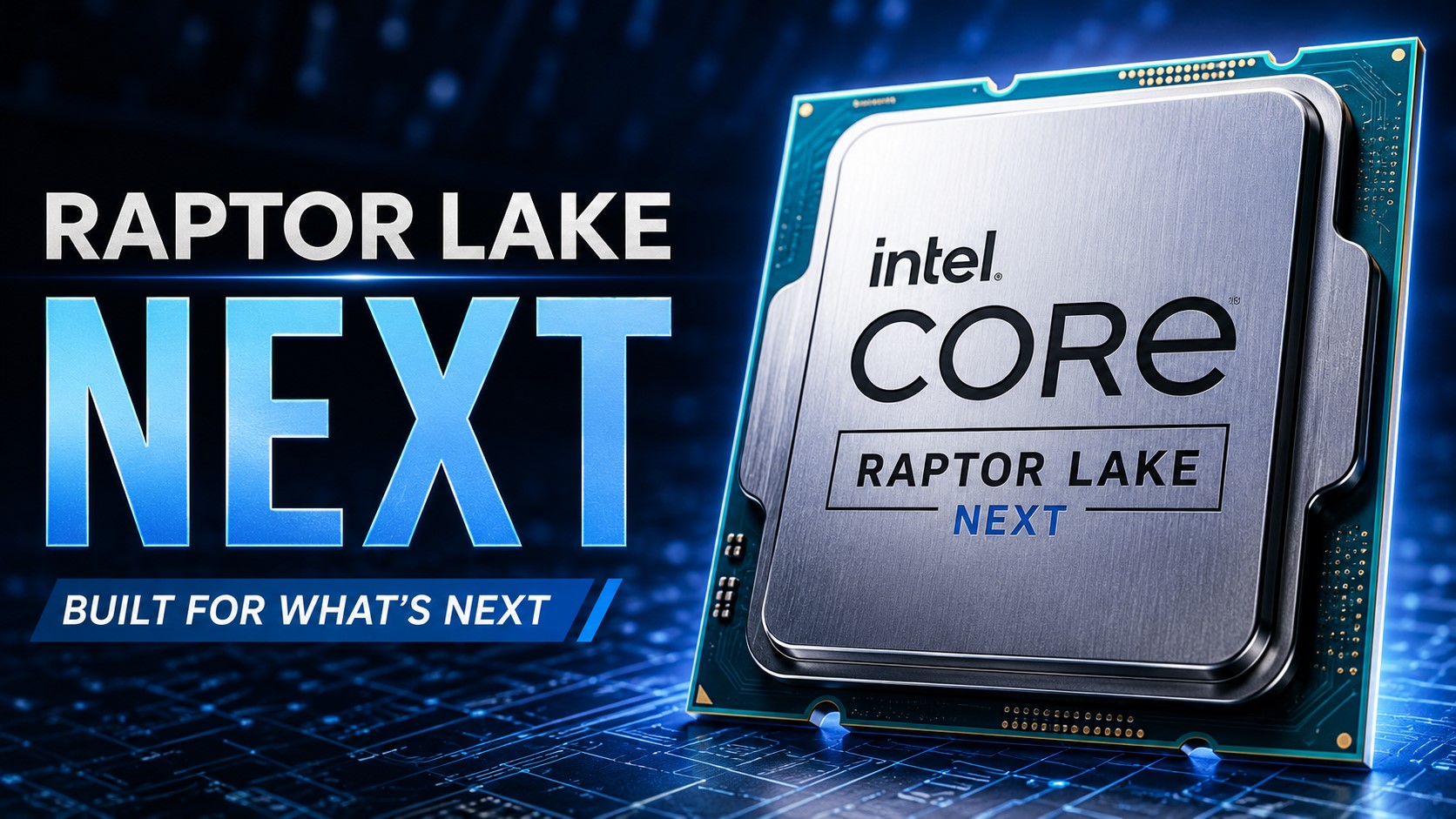
The Exynos 2600, built on a 2nm process, powers both devices with a 10-core CPU hitting 3.80GHz on its top cluster. The Ultra, however, locks into the Snapdragon 8 Elite Gen 5, a choice that may influence regional availability and thermal efficiency. Samsung’s in-house chip delivers 3.25GHz and 2.75GHz for the mid and efficiency cores, respectively, while the Ultra’s Snapdragon alternative pushes 25W sustained performance—a critical distinction for power users.
For Gamers: Cooling and GPU Dominance
Gaming on the S26+ and Ultra hinges on the Xclipse 960 GPU, Samsung’s first ray-tracing capable in-house graphics processor. The Ultra’s thermal upgrades—including a 15W active cooling system and optimized vapor chambers—ensure sustained high performance, reducing throttling by up to 21% compared to the S26+. Both devices support 12GB LPDDR5X RAM, a standard that aligns with the Snapdragon 8 Elite’s capabilities. The Exynos 2600’s 32K MAC NPU boosts AI workloads by 39%, making real-time translations and on-device processing smoother than ever.
For Creators: Camera and Video Refinements
The Ultra’s 200MP main sensor and 50MP periscope zoom set a new benchmark for mobile photography, with wider apertures improving low-light performance. TILTA wireless lens controllers allow remote focus adjustments, mimicking DSLR workflows, while the Advanced Video Professional (AVP) codec enables RAW video capture at higher bitrates. The S26+ retains a 50MP main sensor and 3x telephoto, but its 12MP ultra-wide lacks the Ultra’s advanced coatings, which reduce color fringing in portraits. Both support 4K video at 30/60fps, though the Ultra’s Super Steady mode uses gyroscopic data to lock horizons—a feature videographers will appreciate.
For Everyday Use: Battery, Display, and AI Integration
Battery life remains practical: the S26+ holds a 4,900mAh battery with 25W wireless charging and 45W wired charging, while the Ultra’s 5,000mAh battery charges to 30% in 30 minutes via Fast Charging 3.0. Displays differ subtly—the S26+ features a 6.7-inch Dynamic AMOLED 2X with 3,000 nits peak brightness, while the Ultra’s 6.9-inch LTPO AMOLED 2X peaks at 2,600 nits but includes HDR10+ support. The Ultra’s Privacy Display uses a liquid crystal layer to obscure content from side angles, though its effectiveness wanes in direct sunlight.
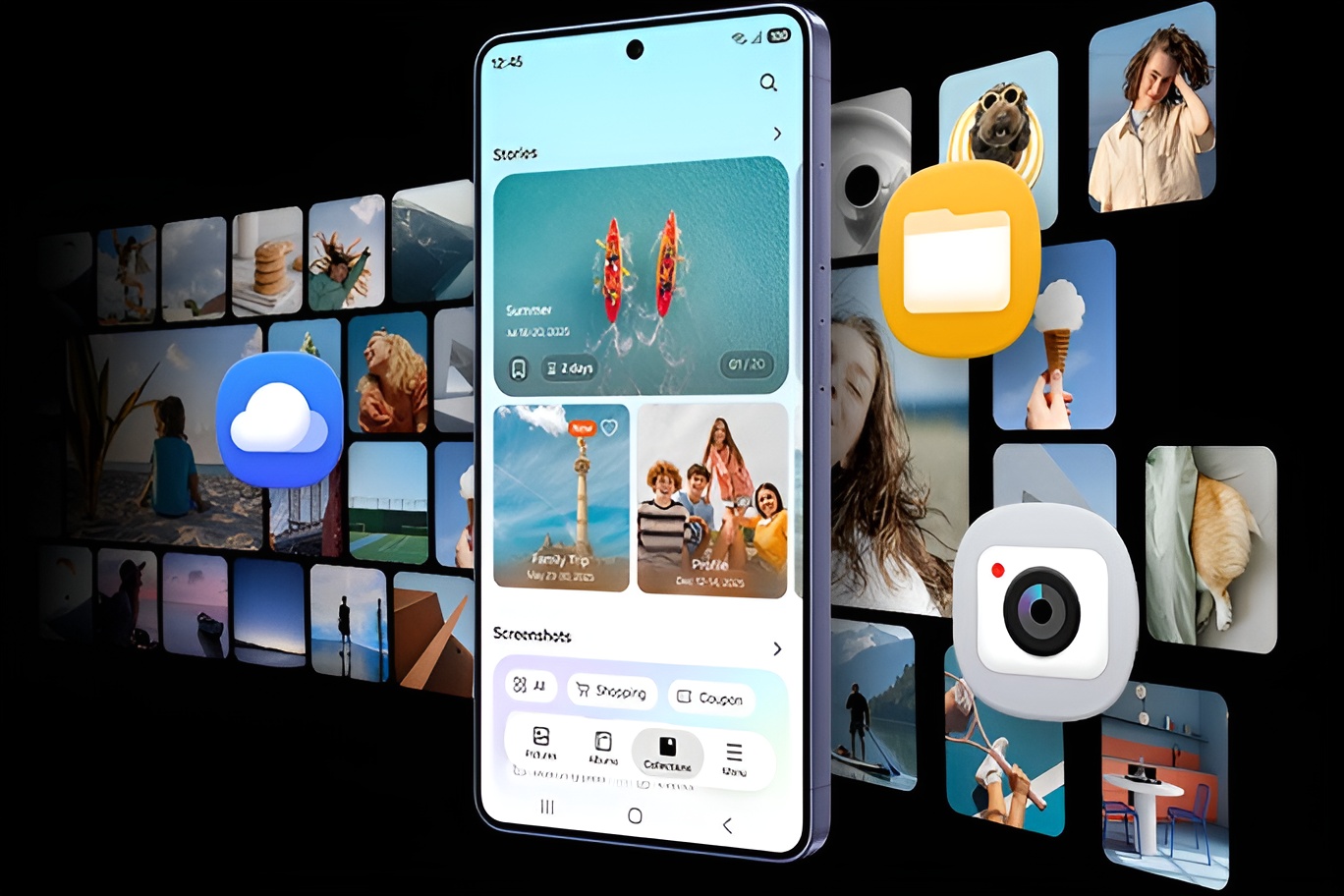
integration is a cornerstone of both devices. Galaxy AI acts as a multi-agent ecosystem, with Bixby now powered by Perplexity AI for natural language commands and real-time searches. Gemini Live and ChatGPT are embedded as third-party agents, while features like Now Nudge suggest relevant content across apps, and Now Brief provides timely reminders. The Ultra’s Snapdragon 8 Elite further enhances AI processing, making on-device tasks faster and more responsive.
Availability and the Future of Flagships
The S26+ arrives as the more accessible flagship, priced at $899 for the base 256GB model, with 12GB RAM and 256GB/512GB/1TB storage options. The Ultra, starting at $1,299, offers 12GB RAM with 512GB/1TB storage tiers. Both devices support Wi-Fi 7 and Bluetooth 5.4, ensuring future-proof connectivity. Samsung’s strategy is clear: the S26+ is for those who want flagship performance without compromise, while the Ultra is for professionals who demand exclusivity. The result? A more nuanced—and competitive—flagship lineup.