Performance that was once confined to experimental development boards is now becoming practical for everyday use. The DC-ROMA RISC-V Mainboard III, designed for the Framework Laptop 13, represents a significant milestone in making RISC-V computing accessible beyond research labs.
The platform features an 8-core CPU with clock speeds reaching 2.5 GHz and delivers up to 60 TOPS of AI computing performance. This level of processing power is designed to handle both mainstream tasks and next-generation applications, including those leveraging artificial intelligence. The mainboard also supports mainstream Linux distributions such as Ubuntu and Fedora, ensuring compatibility with widely used operating systems.
What sets this platform apart is its integration with the Framework Laptop 13's modular ecosystem. Developers can now build, test, and optimize software directly on RISC-V hardware without sacrificing familiarity or upgradeability. The mainboard is built around the SpacemiT K3 RISC-V AI SoC, which supports the RVA23 profile—a critical step toward standardizing software development for RISC-V architectures.
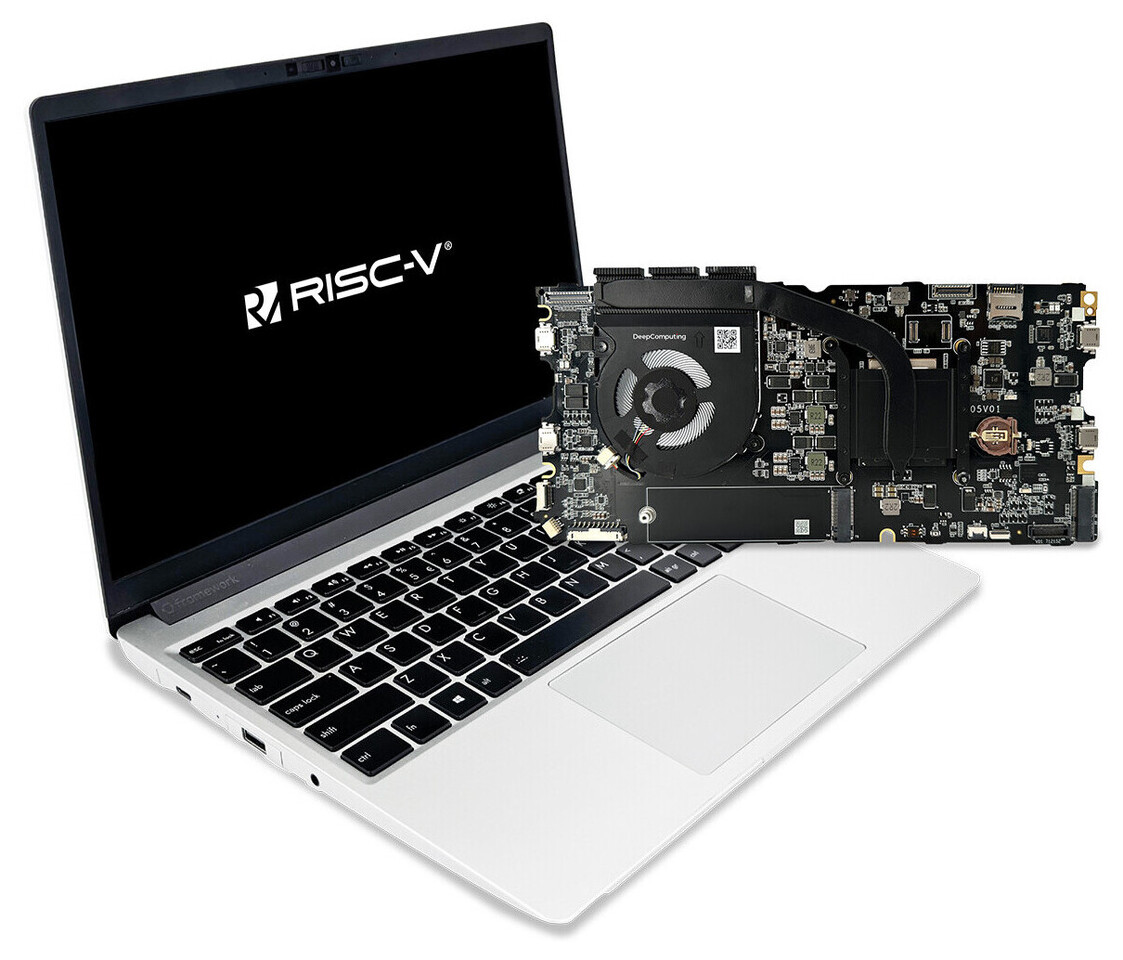
The DC-ROMA Mainboard III reflects broader advancements in the RISC-V ecosystem, including improved Linux enablement, graphics support, and AI acceleration. These improvements are intended to accelerate the adoption of open computing technologies, providing developers with a more consistent and practical environment for innovation.
For small businesses and developers, this platform offers a balance between performance and flexibility. The ability to upgrade components in a modular laptop aligns with the needs of those who require adaptability without compromising on processing power. However, compatibility risks remain a consideration, particularly when transitioning from established x86-based systems.
While the DC-ROMA Mainboard III is a step forward, questions remain about long-term software support and the ecosystem's maturity beyond development-focused use cases. For now, it serves as a bridge between open hardware innovation and real-world usability, making RISC-V computing more practical for those willing to adopt emerging technologies.