Few filmmakers have bridged the gap between video games and cinema with as much reverence as Paul W.S. Anderson. The director behind Resident Evil* (2002), Mortal Kombat (1995), and Monster Hunter (2021) doesn’t just adapt games—he dissects them, ensuring every frame of his films carries the DNA of the original experience. And he has zero patience for those who don’t.
In a recent conversation, Anderson made it clear: adapting a game without playing it is a cardinal sin. Would you direct War and Peace without reading Tolstoy? he asks rhetorically. The comparison isn’t hyperbole. For Anderson, games are modern myths, rich with lore, mechanics, and emotional hooks that demand respect. His frustration isn’t just about technical accuracy—it’s about the fundamental betrayal of trust between creators and fans.
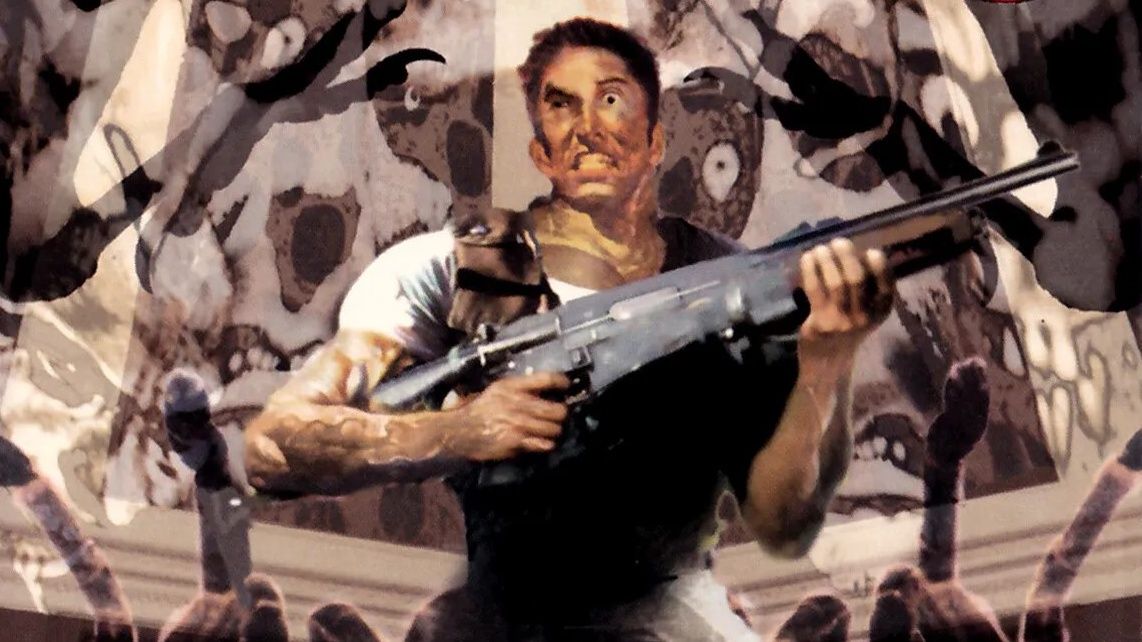
This philosophy isn’t just theoretical. It’s baked into the production process. Before shooting Resident Evil, Anderson mandated that his entire crew—production designers, cinematographers—play the games or watch extensive playthroughs. The goal? To internalize the visual language of the source material. Overhead grid shots, claustrophobic corridors, the tension of limited resources—these aren’t just aesthetic choices. They’re the heartbeat of the games, and ignoring them risks turning a fanbase into a disillusioned audience.
Why the obsession with authenticity?
The answer lies in the fundamental difference between games and films. A game like Resident Evil thrives on player agency: the thrill of solving puzzles, the adrenaline of dodging ambushes, the slow-burn dread of an unknown threat. A movie can’t replicate that interactivity, but it can capture the feeling—if it respects the source’s core mechanics. Anderson’s Resident Evil film, for instance, leans into the game’s horror roots, using jump scares and atmospheric tension to mirror the original’s psychological terror. The 2002 film’s infamous dog attack scene wasn’t just a callback—it was a deliberate choice to honor the game’s most iconic moment.
Contrast that with Doom (2005), where the final act’s first-person shooter sequences felt like a misguided attempt to replicate gameplay. Fans didn’t connect with the spectacle because they lacked the emotional investment of controlling the action. You can’t just drop in a first-person shot and expect it to work, Anderson notes. The audience’s relationship with the game is different—they’re not passive spectators.
The crew’s role in preserving the game’s soul
Anderson’s insistence on crew immersion extends beyond the director’s chair. On Mortal Kombat, his team rebuilt the Pit set from the game’s lore, down to the exact placement of tables and windows. The result? A moment in the film where the audience erupted in recognition. We nailed it, he recalls with satisfaction. That’s how you earn goodwill.
This meticulous approach isn’t just about nostalgia. It’s about translating the essence of a game into a new medium. For Resident Evil, that meant amplifying the game’s tension—using sound design, lighting, and pacing to recreate the feeling of helplessness when the screen fades to black. Anderson refuses to let adaptations become hollow homages. You’re robbing the audience of part of the experience if you ignore what made the game special in the first place, he argues.
A lesson for the future
Anderson’s principles apply far beyond his own filmography. As games evolve into billion-dollar franchises, the pressure to adapt them grows—but so does the risk of superficiality. His advice to aspiring game filmmakers is simple: play the game. Understand its world. And never assume you can shortcut the process. The audience was just as invested when graphics were low-res, he points out. What matters isn’t the technology—it’s the story.
For Anderson, Resident Evil*’s legacy isn’t just about box office numbers. It’s about preserving the magic of the original games—a magic that, when respected, can turn a film into something greater than the sum of its parts.