The power transmission network in Arknights: Endfield is designed to scale with operational demands. Once the initial three-relay configuration is established, additional structures can be integrated into the existing grid without requiring a full reboot. This modularity allows for incremental expansion, where each new facility—whether a research lab or resource processor—draws power from the nearest relay node rather than initiating a separate transmission chain.
Cable routing follows a priority-based algorithm that minimizes interference with other structures. The game’s engine automatically reroutes connections if a relay tower is moved after deployment, though this adjustment comes at a temporary performance cost. Players must account for this behavior when planning facility layouts, as frequent relocations can lead to delays in power distribution.
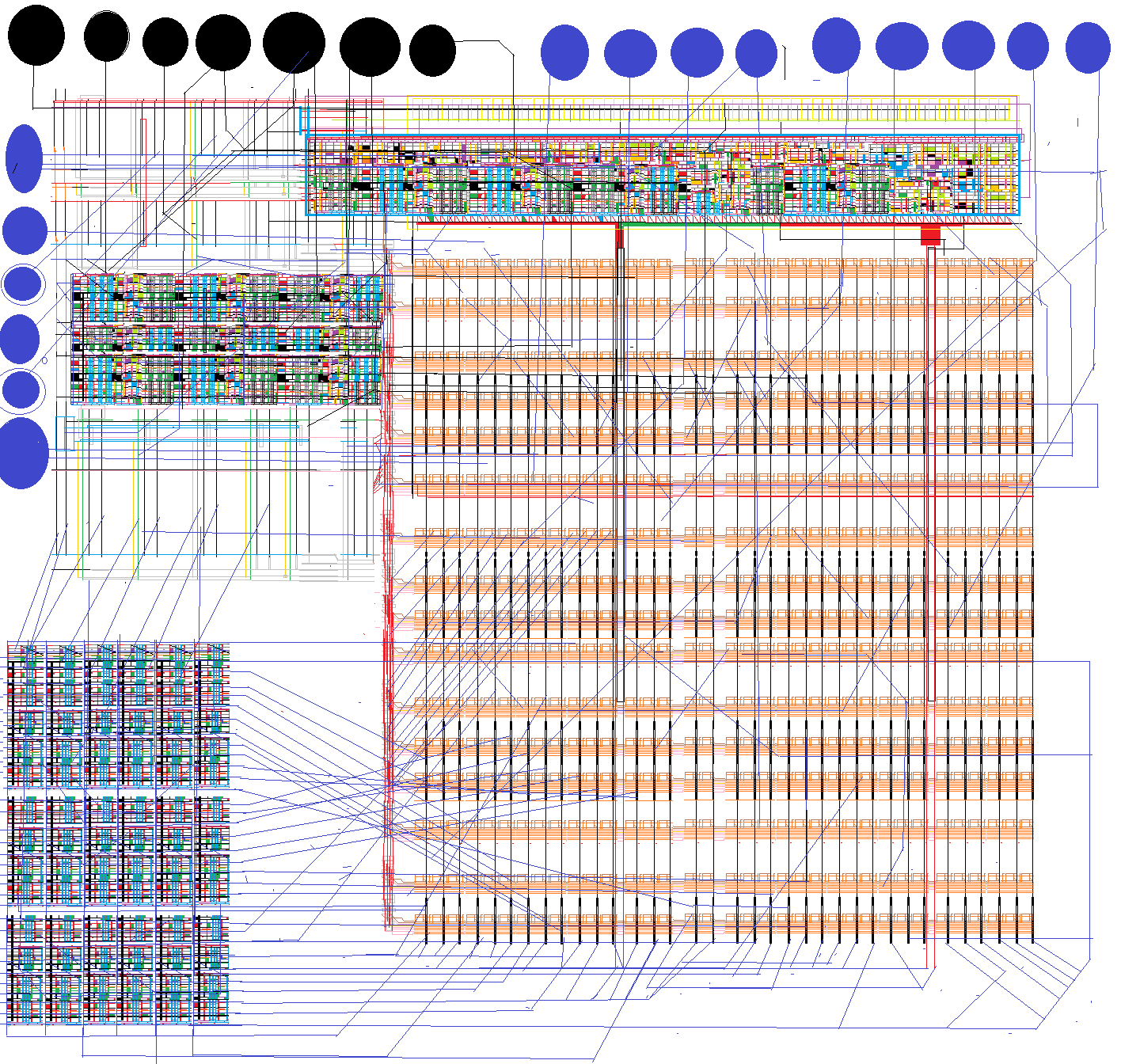
The system’s efficiency is measured by the number of active transmission lines relative to the total structures powered. A well-optimized network reduces the load on the Automation Core, which in turn extends its operational lifespan before requiring maintenance. This balance is critical for long-term progression, as core failures can halt entire production lines.
Looking ahead, future updates are expected to introduce multi-tiered power distribution, where secondary relays branch off primary lines to support specialized units. These upgrades will likely require players to revisit earlier transmission layouts, integrating new nodes into established networks. The current design ensures that these transitions are seamless, with no loss of existing functionality during expansions.
Mastering the relay system is not merely a procedural step but a strategic requirement for sustained automation. It demonstrates how resource management in Arknights: Endfield evolves from manual oversight to algorithmic control, setting the stage for more complex factory dynamics in later stages of Talos-II’s development.