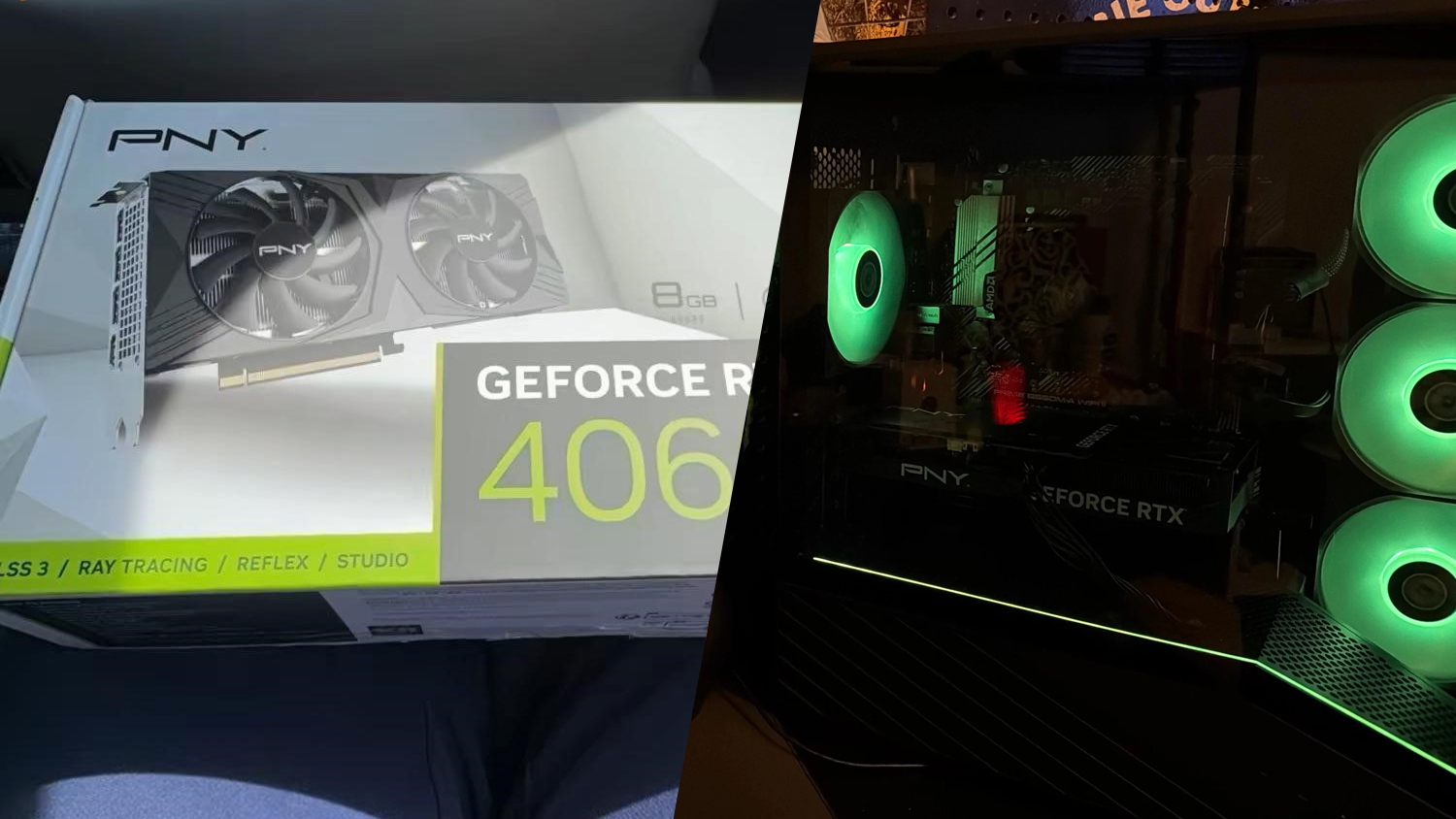
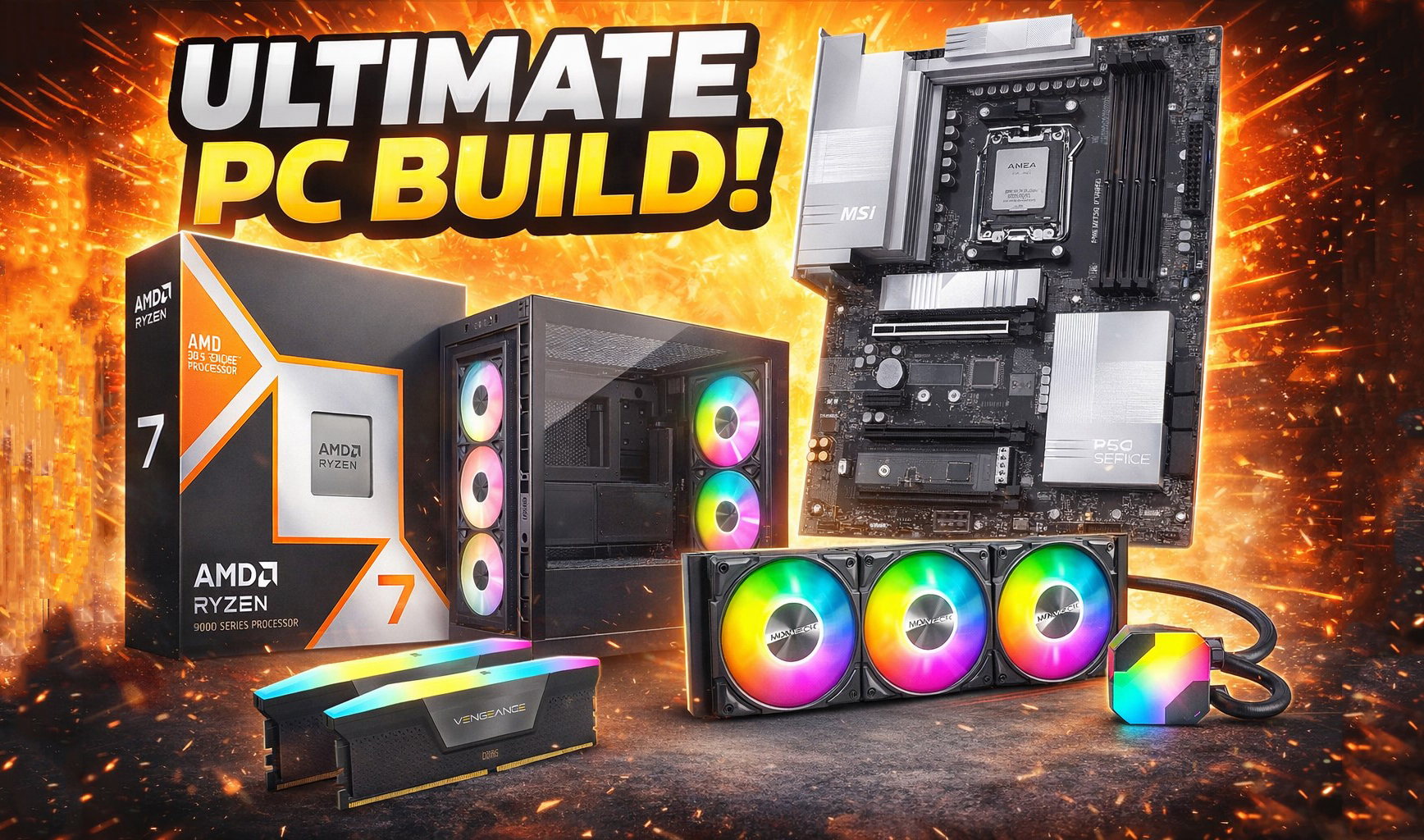
The PlayStation 3 game library is being revived through emulation, with a significant milestone reached this year. Over 70% of PS3 titles are now labeled as fully playable on PC, meaning they can be completed without major bugs while maintaining stable frame rates. This shift is not just about nostalgia—it’s redefining how gamers interact with older titles, turning a mid-range gaming rig into a powerhouse for both retro and modern experiences.
One of the most striking aspects of this development is how it blurs the line between emulation and enhancement. While the 70% figure represents official compatibility ratings, those running more powerful setups often find that many technically 'unplayable' titles become smooth and enjoyable with higher-end components. This suggests that the true potential of PS3 emulation is still being explored, particularly as hardware evolves.
For enthusiasts, this means their PC isn’t just a gateway to modern games—it’s a versatile tool for preserving and even improving legacy experiences. The challenge lies in balancing performance demands; running PS3 titles can strain system resources, but the trade-off is often worth it for those who want to relive or discover classics without relying on increasingly rare physical hardware.
Beyond technical specifications, this development raises questions about the future of gaming preservation. As PS3 systems become harder to find and maintain, emulation isn’t just a workaround—it’s becoming a necessity for keeping these titles alive. For many, it also offers an opportunity to experience games in ways they never could on the original hardware, whether through upscaled visuals or optimized performance tweaks.
The $80 price point, often associated with bundled software or indie releases, takes on new meaning here. It’s a reminder that even older titles can find new life without breaking the bank, provided the underlying system is capable of handling them. This dynamic could reshape how gamers approach both retro and modern libraries, making it easier than ever to bridge the gap between eras.