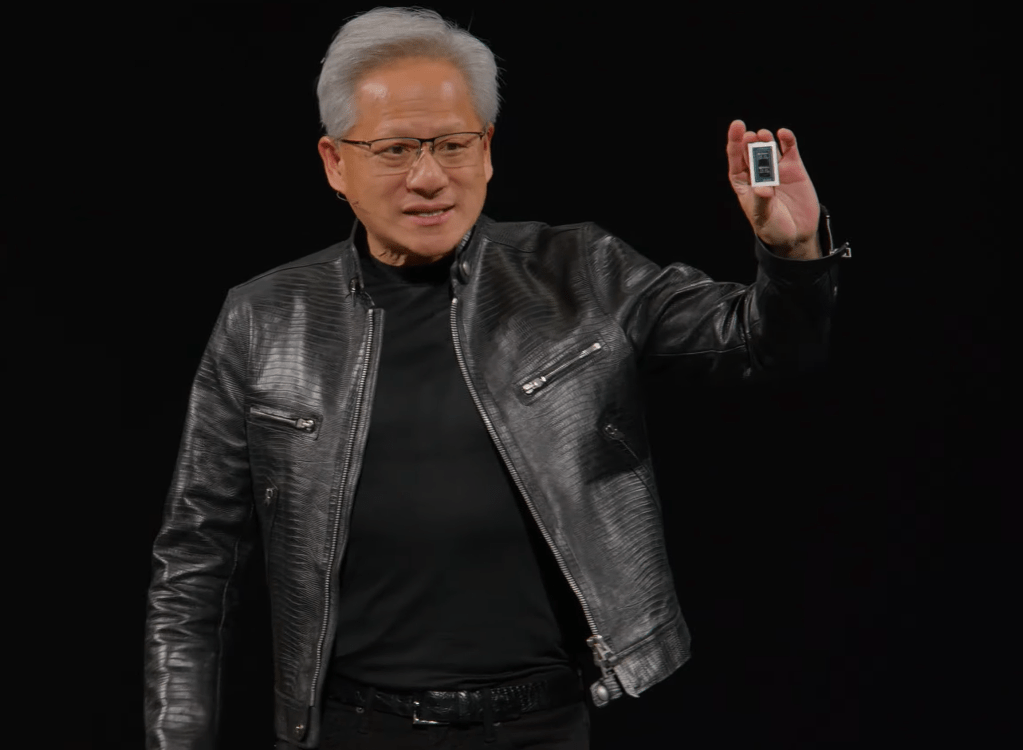
Prompt Mode OpenClaw was too dangerous for your PC. Now it’s the blueprint The era of consumer PCs running on OpenClaw-style AI agents will arrive sooner than we thought, if Microsoft and Nvidia have their way. Prompt Mode , , PDT Nvidia Nvidia.Major tech companies are launching AI assistants like Microsoft’s Scout and Nvidia’s RTX Spark, bringing autonomous desktop assistance within months.These developments raise concerns about realistic AI avatars and voice chatbots, while offering new learning methods through Socratic teaching prompts. Cast your mind back four months ago–ancient history, I know–when I wrote that OpenClaw, the open-source tool that kicked off the whole agentic AI craze, was too dangerous to install on your local system. It might run amok! It could threaten your privacy! You’d be an easy target for hackers! Well, based on what we’ve seen in the past few days, OpenClaw just made an extraordinary leap from Edge City to Main Street. This past week at Computex in Taipei, Nvidia CEO Jensen Huang unveiled RTX Spark, a bleeding-edge system-on-a-chip designed to work in tandem with the very same AI agents popularized by OpenClaw. The first RTX Spark-powered consumer laptops should arrive in the fall, Huang promised, along with OpenShell, a software framework designed to keep those agents on a short leash. Welcome to another edition of Prompt Mode, your weekly AI newsletter. I’m your host, Ben Patterson. Each week on Prompt Mode, I’ll be serving up analysis of the AI trends that matter to everyday users like you and me. Stay tuned for practical AI tips, hands-on experiences with the latest AI tools, and–you guessed it–prompts to help you get the most out of your AI assistants. Thanks for reading, and if you like what you see, just sign up right here. The very next day, Microsoft chief exec Satya Nadella took the stage at Build, the company’s annual developer conference, and unveiled a “full-stack” technology architecture based entirely around AI agents, complete with Scout, an OpenClaw-like 24/7 personal AI assistant. Perhaps most striking of all was the sight of an enthusiastic Peter Steinberger, the creator of OpenClaw (and now a well-compensated OpenAI employee), in person at Build to help unveil a Windows desktop version of his viral tool, now heavily sandboxed and guardrailed to the max. In short, the era of PCs running on AI agents isn’t years away–it’s months away. It’s easy to see why Nvidia and Microsoft are (in essence) embracing OpenClaw, the agentic AI tool once considered too dangerous to sit behind a corporate firewall. Indeed, the very thing that gives OpenClaw a bad rap is what makes it so compelling. OpenClaw broke AI out of the chatbox, unleashing autonomous AI agents that could actually do things on your desktop (hence the “claws”). These agents “think” for themselves, they take action on their own, and you can talk to them on Slack, WhatsApp, or the social app of your choice. They’re the ultimate assistants, working 24/7. Of course, the claws on those assistants are pretty dang sharp, and this week, Microsoft and Nvidia were showing off their enterprise-grade mittens, all in the hopes of convincing you, me, and everyone else to buy laptops and desktops running on AI agents. Will it work? Ask me again come Thanksgiving. More in AI this week Let Gemini scan your face and listen to your voice, and it will make you a frighteningly realistic personal avatar in a matter of minutes. Mine scared the bejesus out of me. ( ) The Amazon shopping app will now create AI-generated images of non-existent products based on what you’re typing in the search box. I don’t get it either. (TechCrunch) Yes, AI agents are coming to consumer PCs, but they’re also aiming for more out-of-the-box form factors, including even security badges. ( ) More and more online platforms are labelling AI-generated content, and that’s a good thing. So why won’t they let us filter AI slop, then? ( ) Sesame’s AI voice chatbot is the best I’ve ever heard. It’s also got me a little worried. ( ) The debate over whether an AI can be conscious rages on, and it’s a debate that might tell us more about ourselves than it does about AI. (The Atlantic) Prompt of the week: The Socratic method prompt AI just loves to lecture. Ask it to teach you something, and it’ll spit out a term paper, likely divided into 15 parts and peppered with bullet points. If your eyes glaze over trying to get through a ChatGPT dissertation, I won’t blame you. With the right prompt, though, you can turn ChatGPT or any other AI chatbot from a pedantic lecturer into a Socratic professor–one that teaches concepts with probing questions rather than long-winded diatribes. Put on your thinking cap and give the Socratic method prompt a try. That’s all for now! Thanks for reading the latest issue of Prompt Mode. Want more next week? Don’t forget to sign up to start receiving this newsletter in your inbox. See you next time! : Ben Patterson, , Ben has been writing about consumer technology for more than 20 years, and now focuses his reporting on AI as it relates to the basic human experience. His coverage of artificial intelligence interrogates the latest LLMs, and how they can be used at work and at home to be best prepared for the AI revolution. “AI is going to change our lives sooner than we think,” Ben writes. “Our best way to adapt is by using it every day.” Ben has been a since 2014, and has covered everything from laptops to security cameras before launching ’s AI beat. Ben's articles have also appeared in PC Magazine, TIME, Wired, CNET, Men's Fitness, Mobile Magazine, and more. Ben holds a master's degree in English literature. Recent stories by Ben Patterson: This simple ChatGPT prompt makes AI teach instead of lecture I made a Gemini avatar of myself. It’s so real, it creeps me out Sesame’s AI voice app is the best I’ve tested. That’s what worries me