OnePlus stands at a crossroads where survival demands more than incremental fixes—it requires a full-scale reinvention. The brand’s decline is no longer just a matter of slipping sales or lost market share; it reflects a systemic collapse in its ability to adapt, innovate, and sustain itself in an industry that moves faster than ever.
The numbers paint a grim picture: annual sales have halved over the past three years, dropping from 28 million units to just 13-14 million. In India, its former stronghold, OnePlus’s premium segment market share has evaporated by nearly 70%, while in China—its other key market—it now holds less than 1.6% of the premium segment. The reasons are as clear as they are damning: unsustainable retailer margins that bled profitability dry, warranty failures that shattered consumer trust, and a failure to anticipate the shift toward foldable devices and AI-driven hardware.
Operational retrenchment has accelerated the downward spiral. The brand’s U.S. headquarters in Dallas was shut down in March 2024, leaving behind only a skeleton crew of 15 employees in Palo Alto, tasked with servicing an entire continent without carrier backing—its last major U.S. partnership with T-Mobile ended in 2023. Europe, too, has become a ghost market, further fragmenting OnePlus’s global presence.
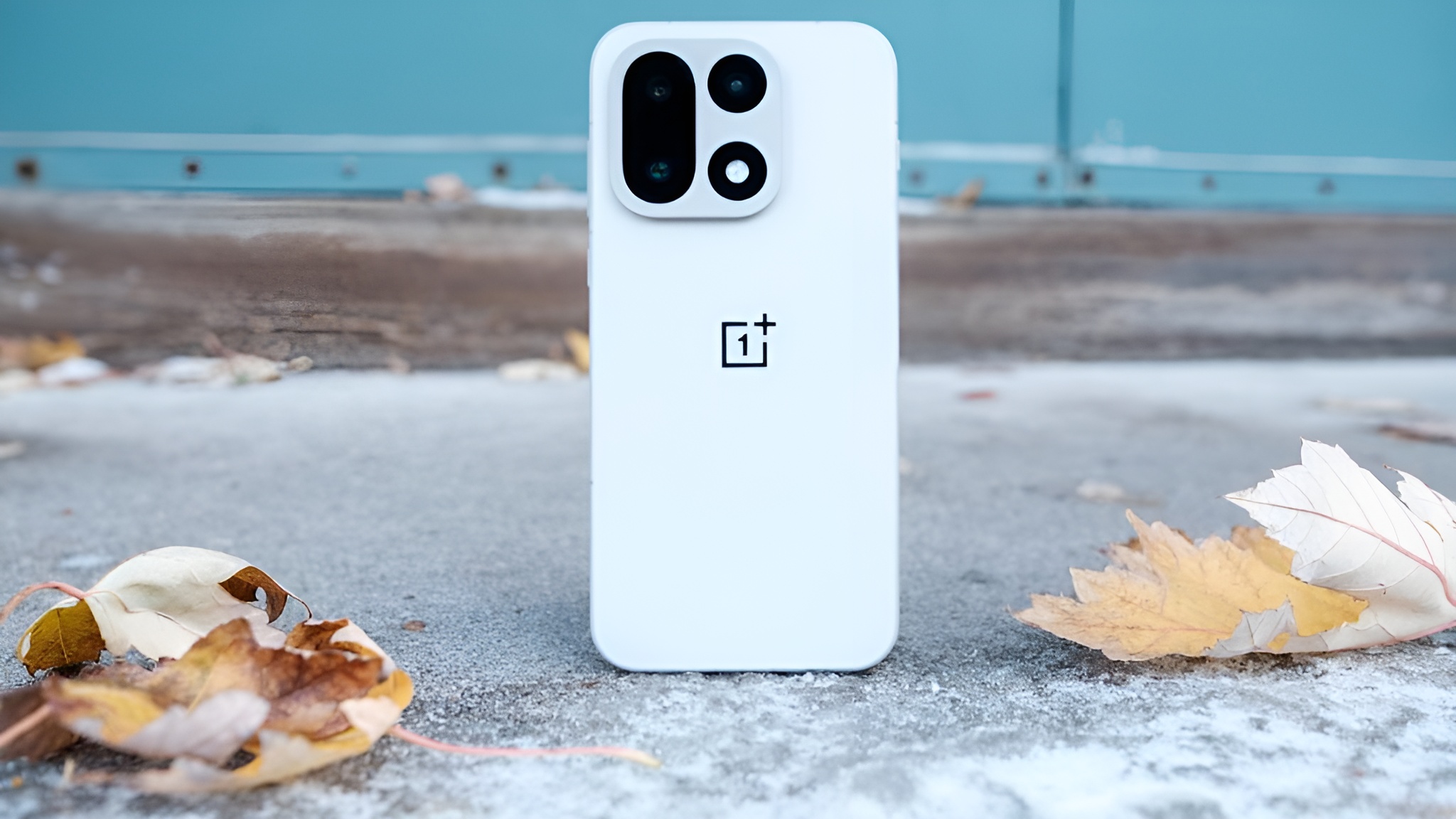
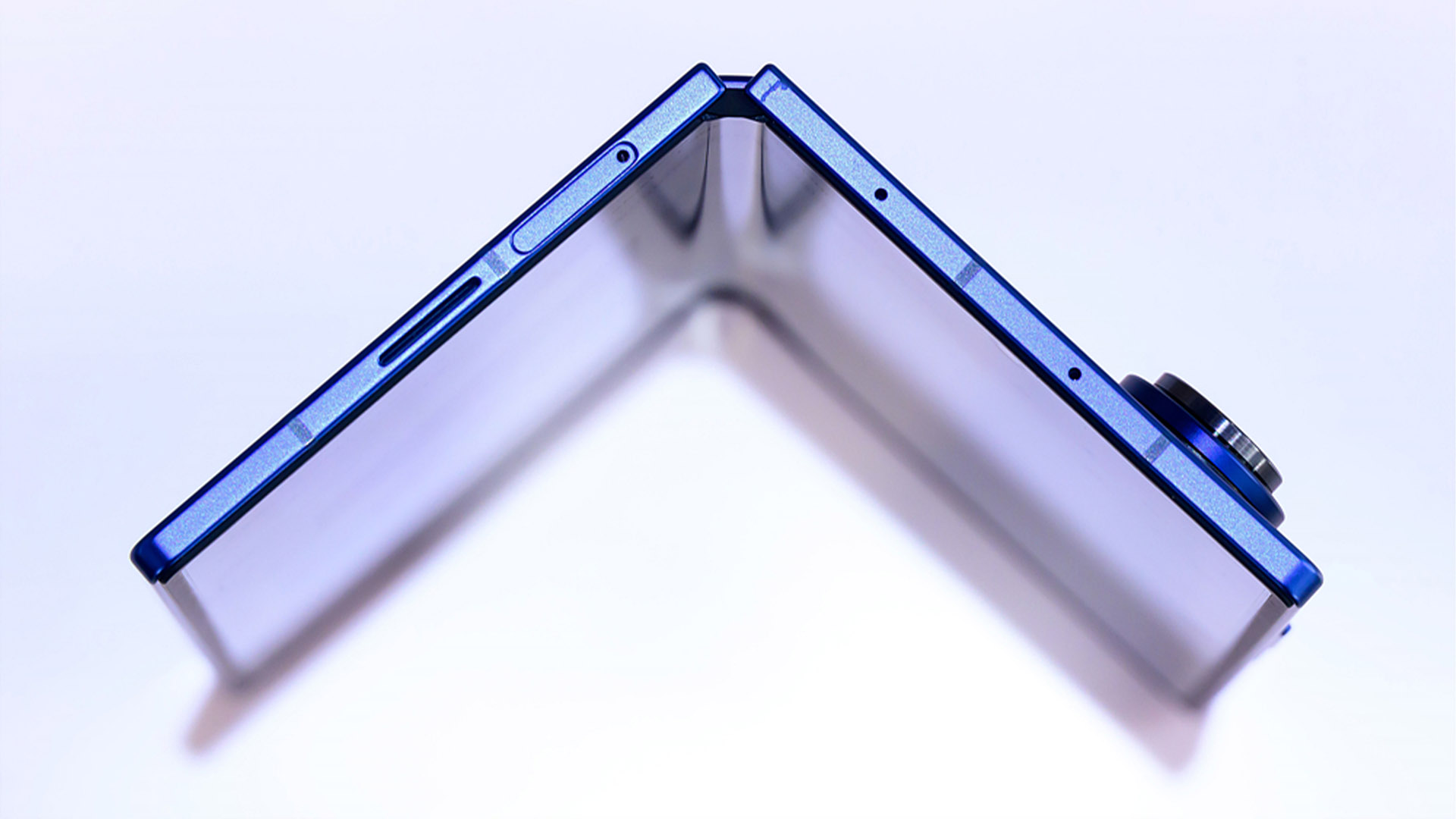
Product cancellations have only deepened the crisis. The OnePlus Open 2 foldable phone and the compact 15s series—both highly anticipated launches—were scrapped without explanation, signaling a lack of confidence in its ability to deliver on innovation. These moves come despite OPPO’s $14 billion investment aimed at reviving OnePlus, which included zero-profit sales and shared service centers. Yet, none of these measures have stabilized the brand’s trajectory.
Legal troubles add another layer of complexity. Reports suggest that Taiwan has issued an arrest warrant for OnePlus’s CEO over allegations of illegal recruitment practices, further complicating its operational stability. Meanwhile, OPPO’s decision to gut Realme—a sister brand—suggests a strategic pivot away from OnePlus, leaving the latter without a clear lifeline.
The path forward is uncertain. A OnePlus 16, once rumored for late 2026, now appears increasingly unlikely, as OPPO shows no inclination to pour additional resources into a brand that has failed to recover despite repeated interventions. The brand’s survival hinges on whether it can execute a radical turnaround—or if the industry will witness its quiet demise.
For now, OnePlus remains a cautionary tale of what happens when market dynamics outpace strategic agility. Its story is not just about smartphones; it’s about the fragility of brand resilience in an ever-changing technological landscape.