NVIDIA’s ‘Rubin’ RTX 60 Series: A Future-Looking Perspective
The ongoing evolution of graphics card technology is a constant process, driven by advancements in architecture, manufacturing techniques, and – increasingly – the demands of artificial intelligence. While the current focus remains on NVIDIA's GeForce RTX 50 SUPER series, whispers are emerging regarding the next iteration: the ‘Rubin’ family, slated to utilize the GR20x GPU architecture. Industry analysts are currently projecting a launch timeframe around late 2027, marking a significant gap between this generation and the current offerings.
The GR20x Architecture – What We Know
Details surrounding the GR20x architecture remain largely speculative at this stage. However, based on previous NVIDIA announcements and industry trends, we can infer several key characteristics. The GR20x is expected to represent a substantial leap in performance compared to current RTX 40 series cards, leveraging advancements in process technology – likely moving towards a smaller node size – and architectural refinements. The name ‘Rubin’ suggests a focus on efficiency and scalability, potentially targeting both high-end desktop gaming and professional workloads.
Key Features Anticipated for the GR20x
- Increased Compute Units (CUs): A significant increase in CUs is almost certain, boosting raw processing power.
- Enhanced Tensor Cores: Further optimization of Tensor Cores will be critical, accelerating AI-powered features like DLSS and supporting increasingly complex machine learning tasks.
- Faster Memory Interfaces: The GR20x will likely incorporate a faster memory interface (potentially HBM3 or beyond) to keep pace with the GPU’s increased bandwidth demands.
- Advanced Ray Tracing Technology: Continued improvements in ray tracing performance are expected, delivering more realistic lighting and reflections.
Timing Considerations & Market Dynamics
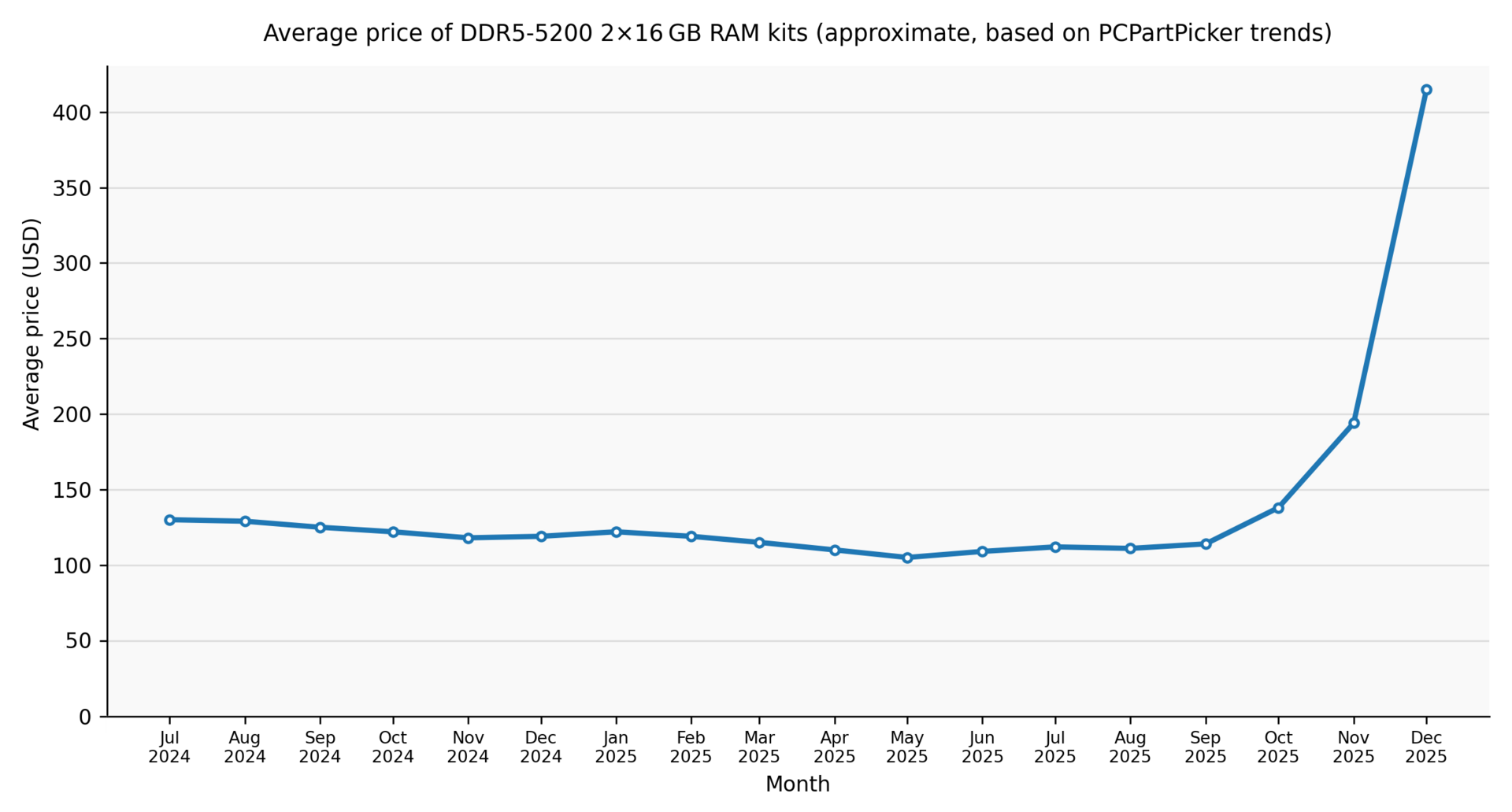
The projected late 2027 launch date for the RTX 60 series is intrinsically linked to several ongoing market factors. The global DRAM shortage, heavily influenced by increased demand from the AI sector, continues to pose a significant challenge to GPU production. This situation has led NVIDIA to postpone the release of the RTX 50 SUPER family, pushing its timeline into the mid-to-late 2026 window. The availability and cost of memory will undoubtedly play a crucial role in determining the initial pricing and availability of the GR20x GPUs.

DRAM Supply Chain Issues
The surge in demand for high-bandwidth memory (HBM) driven by AI training and inference workloads has created substantial bottlenecks within the DRAM supply chain. This shortage impacts not only GPU production but also other sectors reliant on advanced memory technologies. Addressing this issue requires significant investment from memory manufacturers and a gradual increase in production capacity – a process that takes considerable time.
Potential Performance Expectations
Predicting the exact performance of the GR20x is difficult given the lack of concrete specifications. However, considering NVIDIA’s historical approach to generational improvements, we can reasonably expect a substantial uplift in performance across various workloads. The RTX 60 series is likely to target resolutions up to 8K and offer significant gains in frame rates for demanding games. Furthermore, the enhanced AI capabilities will undoubtedly benefit content creation applications and professional visualization software.
Competitive Landscape
NVIDIA’s ‘Rubin’ RTX 60 series will face increasing competition from AMD's Radeon RDNA 4 architecture, which is expected to launch shortly. The rivalry between these two companies will drive innovation in GPU technology and ultimately benefit consumers through lower prices and improved performance. The success of the GR20x will depend on NVIDIA’s ability to execute its roadmap effectively and maintain a competitive edge.
Looking ahead, the RTX 60 series represents an important step in NVIDIA's long-term strategy for graphics card technology. The ‘Rubin’ architecture promises significant performance gains and enhanced features, positioning NVIDIA to remain a dominant force in the gaming and professional markets well into the next generation.