NVIDIA’s desktop RTX 50 series GPUs have set a new benchmark with 12 GB GDDR7 memory paired with a 192-bit bus, but the laptop version of the RTX 5070 is taking a different path. Reports suggest that some mobile variants are now shipping with 12 GB VRAM, a rare upgrade for laptops where 8 GB has long been the standard. This shift isn’t just about raw capacity—it’s a tradeoff between performance, power efficiency, and thermal constraints that could redefine how developers approach gaming on portable hardware.
The RTX 5070 laptop GPU is built around a smaller die than its desktop counterpart, with 4608 CUDA cores compared to the desktop’s 6144. While this means lower peak performance, the increased memory could help in scenarios where games demand more texture resolution or larger textures—such as open-world titles or ray-traced environments. However, the mobile version still uses a 128-bit memory bus, which limits bandwidth compared to the desktop’s 192-bit configuration.
This isn’t just about NVIDIA; laptop manufacturers like ASUS and Lenovo are leading the charge with listings that hint at the new configuration. For example, ASUS’s ROG Strix G16 and G18 models list an RTX 5070 with 12 GB GDDR7, though some details remain inconsistent—like whether the memory is truly 12 GB or a typo. Lenovo’s Yoga Pro 7 also appears to be preparing for this upgrade, suggesting that the trend may spread across brands.
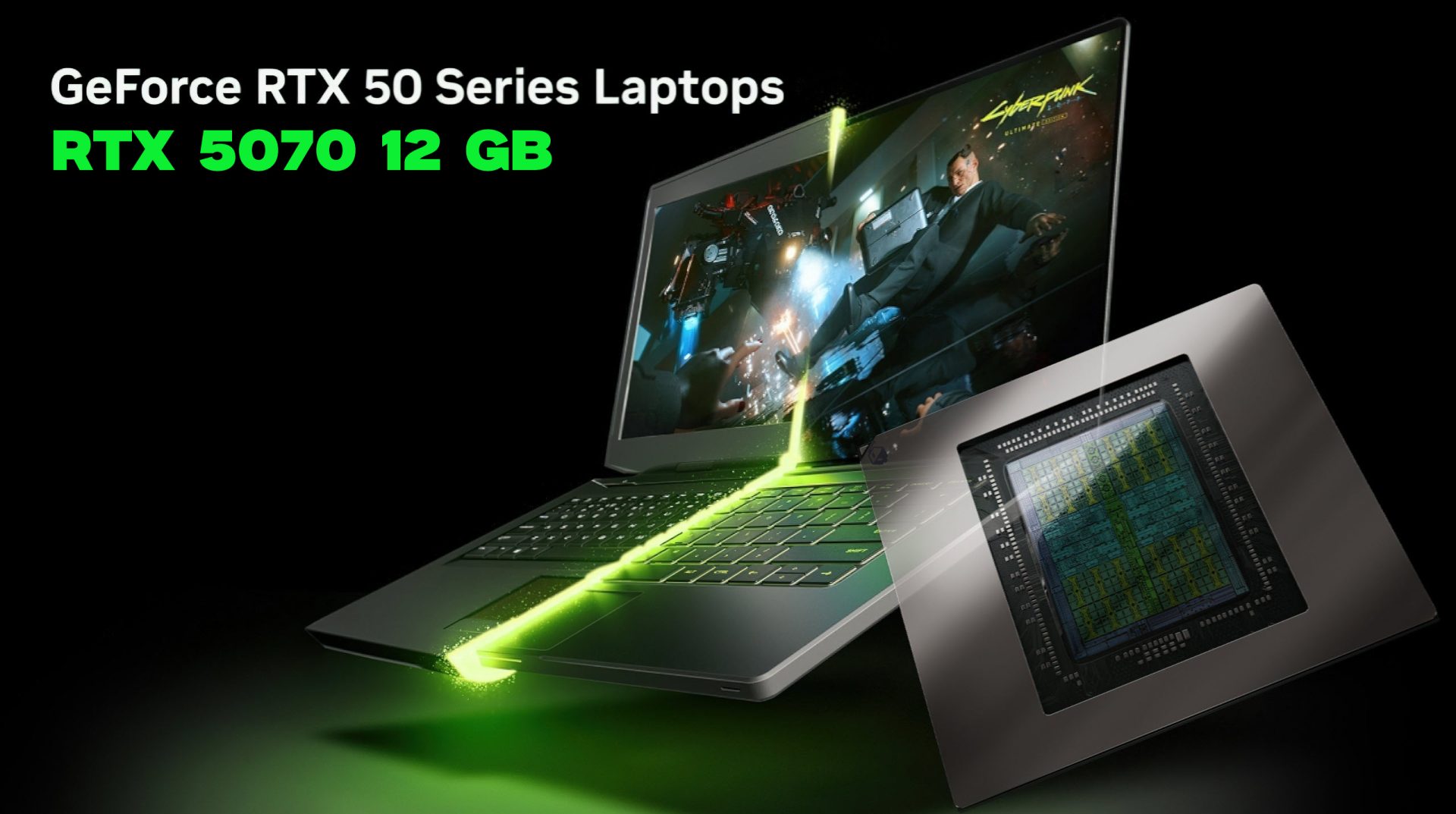
Key Specs
- GPU Model: RTX 5070 (laptop variant)
- Memory: 12 GB GDDR7 (mobile), 8 GB GDDR7 (desktop)
- Memory Bus: 128-bit (mobile), 192-bit (desktop)
- CUDA Cores: 4608 (mobile), 6144 (desktop)
The tradeoff here is clear: the laptop version sacrifices some raw performance for better memory capacity, which could benefit developers working on high-resolution or memory-intensive workloads. However, the smaller die and lower CUDA core count mean that in most games, the difference won’t be as pronounced as one might expect from a 50% increase in VRAM.
For developers, this means reconsidering how they optimize for mobile GPUs. Games that rely heavily on texture streaming or large asset caches could see noticeable improvements, but the overall performance gap between desktop and laptop variants remains significant. The question now is whether NVIDIA will confirm this configuration officially—or if it’s just a temporary solution to memory shortages in the supply chain.
As for availability, details are still scarce, but leaks suggest that these laptops may not hit retail shelves widely. If they do, they’ll likely target enthusiasts willing to pay a premium for the extra VRAM, even if the performance isn’t proportionally better. For now, the RTX 5070 laptop GPU stands as a test case in how far mobile GPUs can push memory capacity without sacrificing too much efficiency.