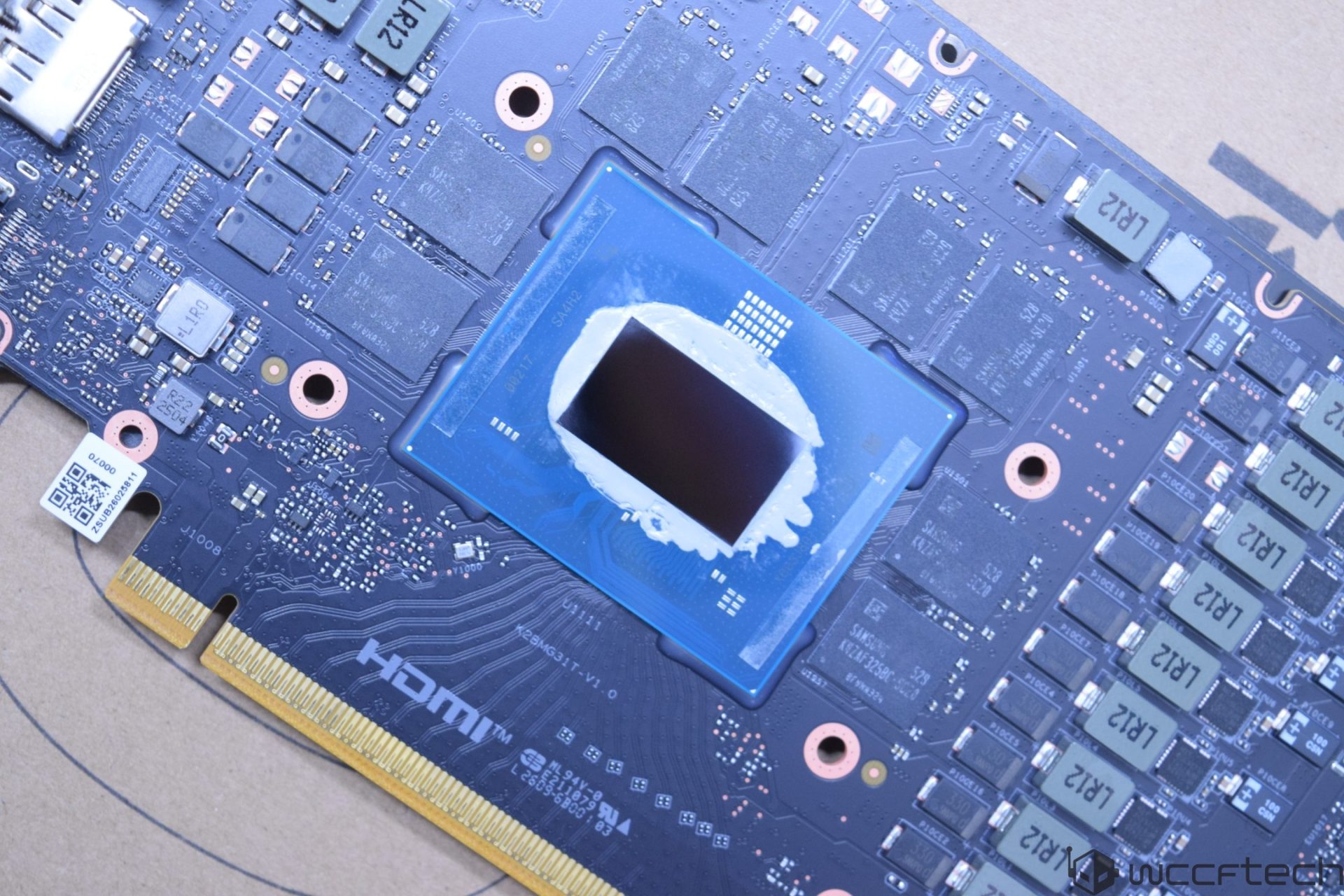
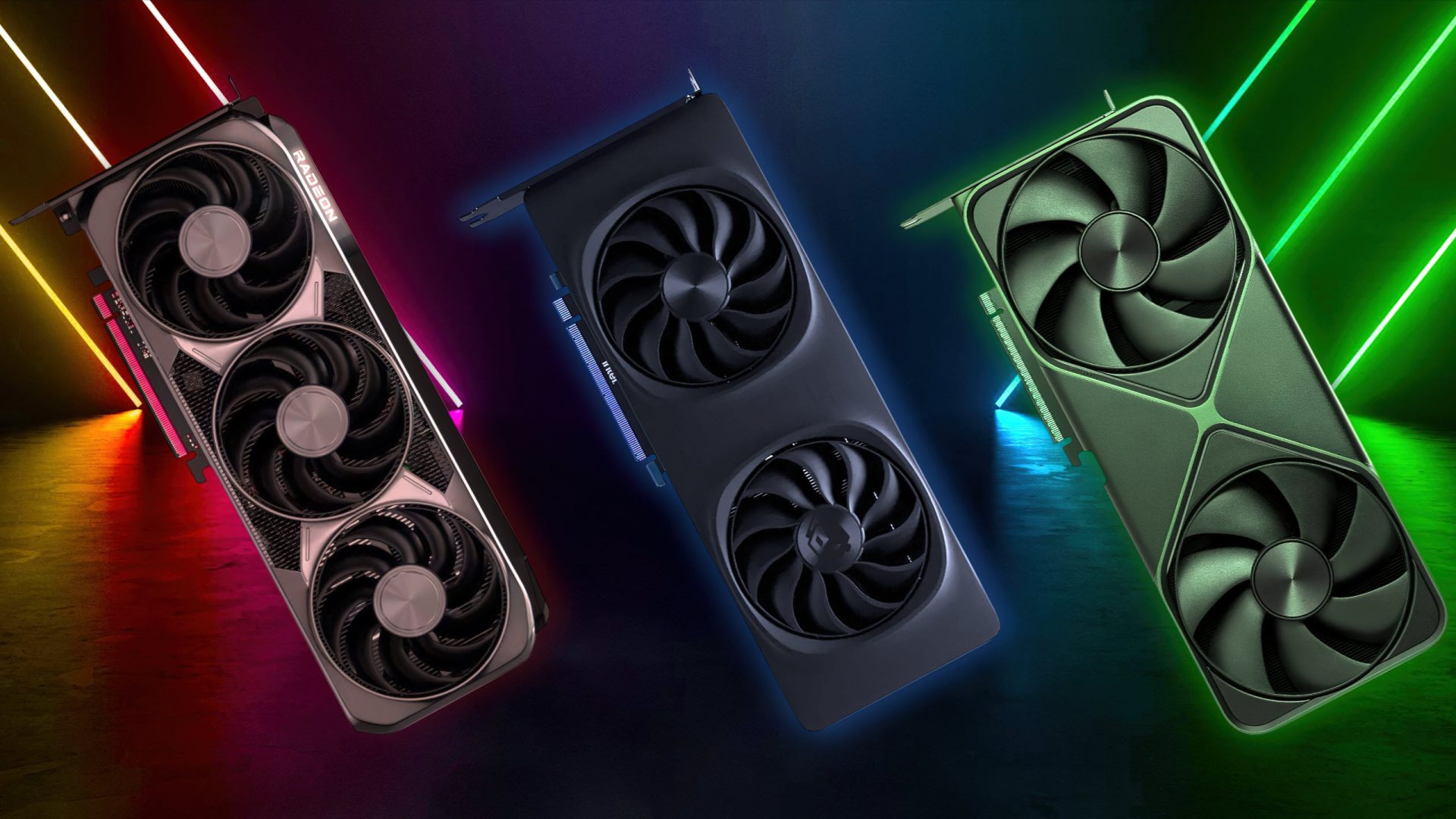
NVIDIA’s entry-level RTX 5050 is evolving once again, this time with a notable memory upgrade that could reshape its appeal in the budget GPU market. The new variant introduces 9GB of GDDR7 memory, replacing the original 8GB GDDR6 configuration. While the change might seem minor on paper, it reflects broader adjustments in NVIDIA’s Blackwell architecture lineup, where supply constraints and design trade-offs are becoming more visible.
The updated RTX 5050 (9GB) retains the same core architecture—based on the GB207 chip—but swaps out slower GDDR6 dies for faster GDDR7. This swap delivers a 5% increase in memory bandwidth, pushing it from 320 GB/s to 336 GB/s. However, this improvement comes with a trade-off: the bus width narrows from 128-bit to 96-bit, which could subtly impact real-world performance in some workloads.
Positioning in NVIDIA’s Lineup
The 9GB version doesn’t challenge higher-tier cards like the RTX 5060 or RTX 5070. Instead, it carves out a niche for users who need more memory without stepping into mid-range territory. It’s not a performance leap, but it addresses a growing pain point: modern games and applications that increasingly demand more VRAM.
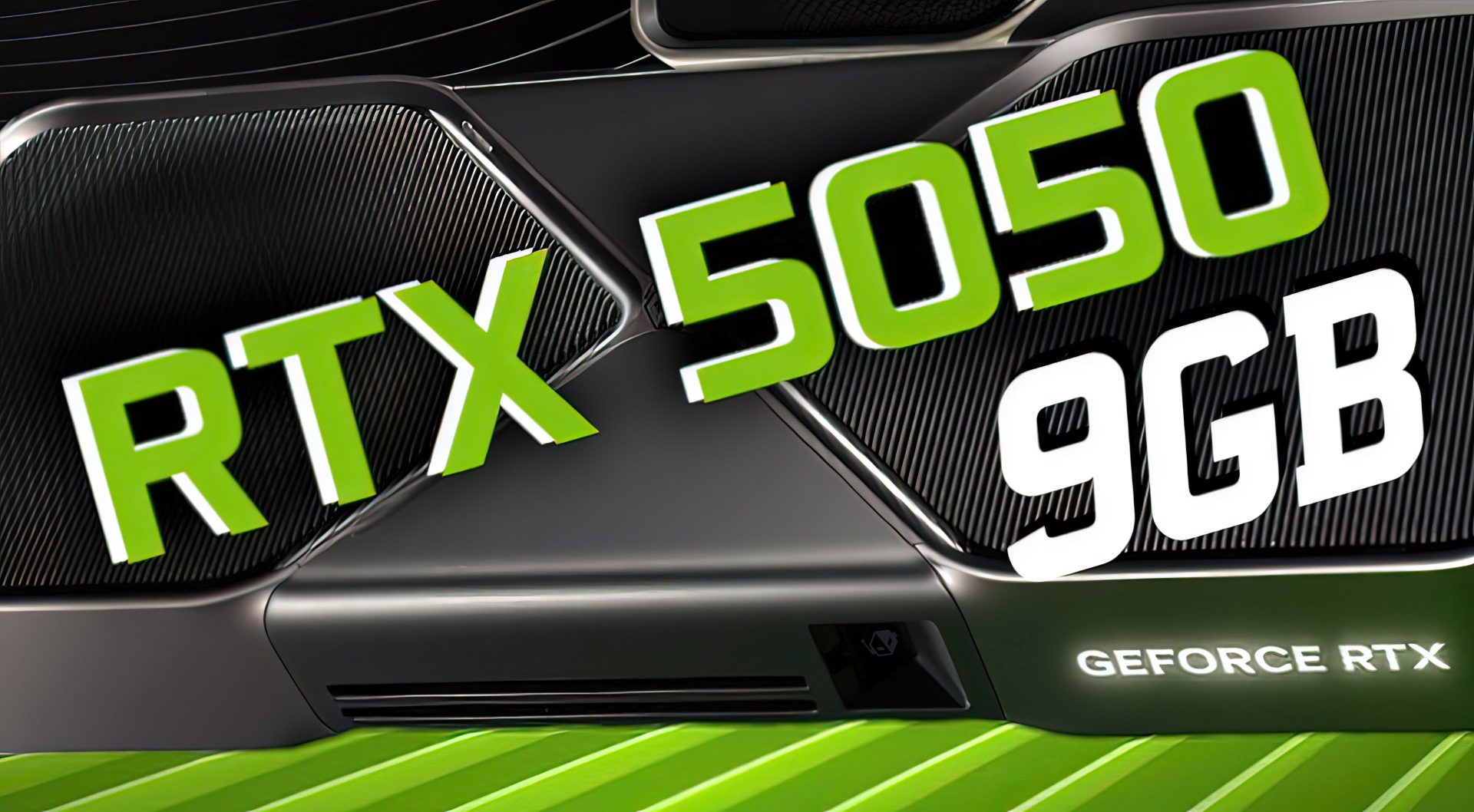
- GPU: GB207 (Blackwell architecture)
- Cores: 2560
- Memory: 9GB GDDR7 (vs. 8GB GDDR6 in original)
- Bus width: 96-bit (down from 128-bit)
- Bandwidth: 336 GB/s (up from 320 GB/s)
- TDP: 130W (unchanged)
The shift to GDDR7 also hints at NVIDIA’s strategy for balancing performance and efficiency. While the RTX 5050 remains a budget-friendly option, the upgrade suggests that even entry-level cards are being optimized for future-proofing—at least in terms of memory capacity.
Who Stands to Gain?
For users already using an older RTX 3050 or those building budget systems, the 9GB version could be a compelling upgrade. It won’t outperform higher-end cards, but it offers enough headroom for games and workloads that push close to 8GB limits. The 130W TDP ensures it remains power-efficient, making it a viable choice for mid-range builds.
However, the trade-off in bus width means this isn’t a performance monster. Enthusiasts eyeing the RTX 5060 (which still uses the GB206 chip) won’t see much difference here. The focus seems to be on practicality rather than raw speed—filling a gap where extra memory matters more than sheer power.
Availability and pricing remain unconfirmed, but if past trends hold, we could see this variant launch in late 2026. For now, the question is whether the extra VRAM justifies the slight downgrade—or if users should wait for broader Blackwell improvements to materialize.