A developer testing a new game engine pauses mid-frame, noticing how the RTX 5070’s real-time ray tracing handles dynamic lighting with unprecedented smoothness—then wonders if the platform’s ecosystem can sustain that performance for years to come.
That moment of hesitation isn’t just about raw power. It’s about whether NVIDIA’s latest GPUs, from the mainstream RTX 5070 to the high-end RTX 5090, can deliver on their AI-driven promises without leaving developers stranded in a compatibility maze. The stakes are higher than ever: these chips aren’t just about rendering frames faster; they’re about shaping how games evolve, train, and adapt in an industry where AI is becoming as critical as traditional graphics.
What’s Changing—and What Isn’t
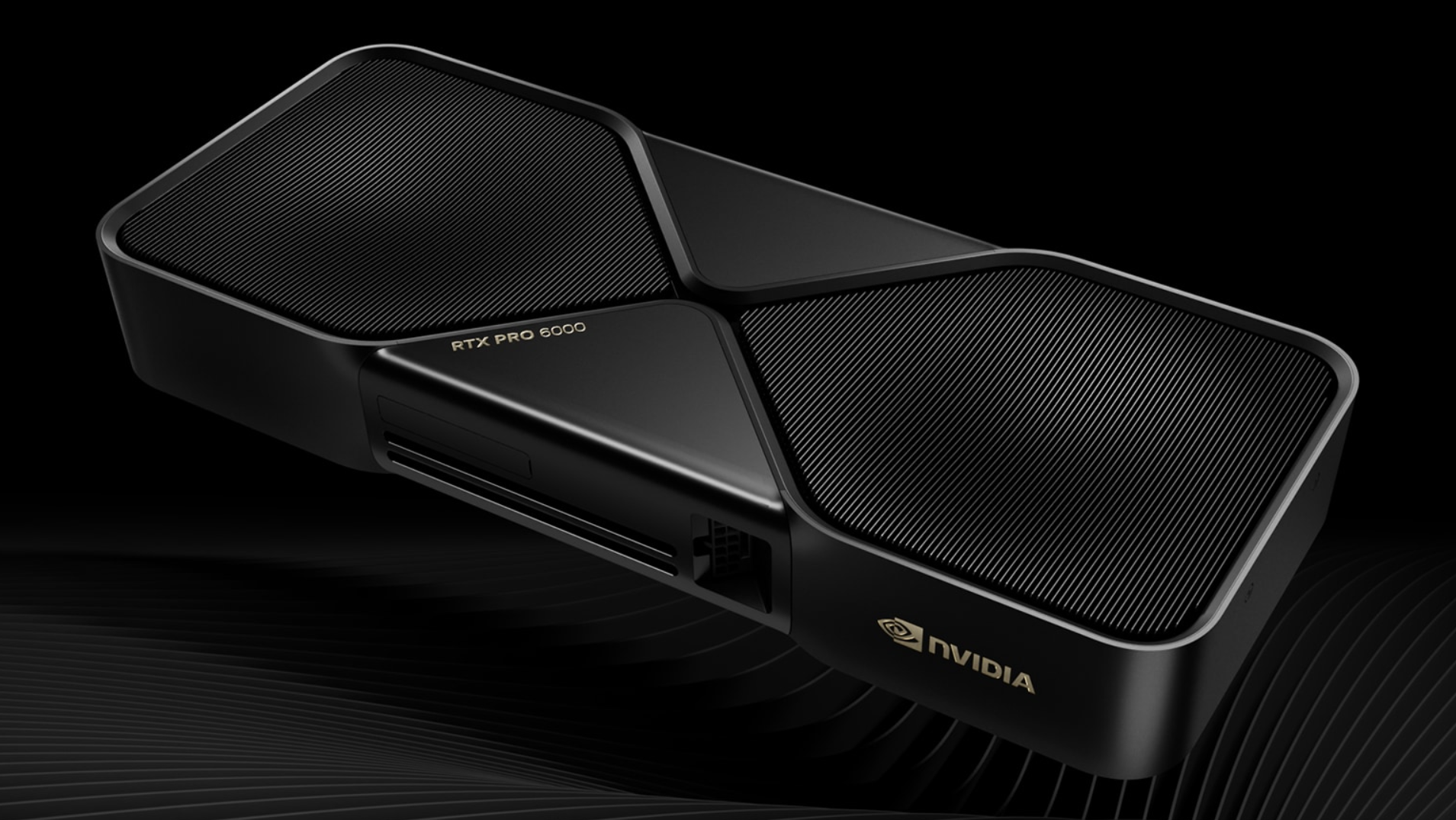
The RTX 50 series builds on NVIDIA’s push into AI-native computing, but the real question isn’t whether these GPUs are powerful enough—it’s whether they can integrate seamlessly into existing workflows. The RTX 5070 and 5060, for example, pack 16 GB of GDDR6 memory, a nod to current demand but also a reminder that memory capacity hasn’t kept pace with the explosion of AI workloads. Meanwhile, the RTX 5090, rumored to hit $5,000 due to AI industry demand, raises the bar on performance while leaving unanswered questions about thermal efficiency and power draw in real-world scenarios.
Key Specs: Power, Potential, and Practicality
- RTX 5070: 16 GB GDDR6 memory, designed for high-refresh gaming with AI upscaling features. Targeted at developers balancing performance and cost.
- RTX 5060: Also 16 GB GDDR6, but optimized for mainstream workloads, including AI-assisted rendering and real-time physics simulations.
- RTX 5090: Expected to push boundaries with higher core counts and memory bandwidth, catering to high-end AI training and enterprise applications. Price estimates suggest a premium positioning, reflecting its niche focus.
The specs tell one story: more power, more memory, and deeper integration with AI tools. But the reality is messier. Developers already stretched thin by rising AI demands may find themselves choosing between cutting-edge hardware and stable, proven platforms. The RTX 50 series doesn’t solve that dilemma—it sharpens it.
Who Should Care—and Why
For developers working on next-gen games or AI-driven simulations, the RTX 50 series could be a game-changer—but only if NVIDIA can prove long-term compatibility. The platform’s ecosystem is its strongest asset, but it’s also its Achilles’ heel: will future games and tools keep up with these GPUs, or will they become relics of an AI-driven future that outpaced them?
On the flip side, enterprises and data centers may see the RTX 5090 as a necessary investment for training larger models, but without clear guarantees on scalability, the risk is higher. The real test isn’t just performance—it’s whether NVIDIA can deliver on its promise of an ‘AI industrial era’ where every layer of the stack works in harmony. For now, that remains unconfirmed.
The Bottom Line
What’s confirmed: the RTX 50 series is a leap forward in AI-driven graphics and compute. What’s still unknown: whether it can sustain that lead without leaving developers—and their projects—behind. The answer may come at GTC 2026, where NVIDIA plans to showcase its vision for the future of AI infrastructure. Until then, the choice isn’t just between GPUs—it’s between betting on tomorrow’s tech today or waiting for a more stable foundation.