Agentic AI systems are evolving rapidly, demanding models that can handle vast amounts of data while maintaining computational efficiency. NVIDIA's latest innovation, Nemotron 3 Super, addresses these needs head-on with a groundbreaking approach to architecture and performance.
The new model leverages a hybrid Mamba-MoE design, combining the best of two worlds: the linear processing power of Mamba's State Space Model (SSM) and the flexibility of Mixture-of-Experts (MoE). This hybrid structure allows Nemotron 3 Super to process data more efficiently than traditional models, reducing memory and compute overhead while delivering superior reasoning capabilities. The result is a model that can handle complex agentic workloads with unprecedented speed and accuracy.
Key specs for Nemotron 3 Super include
- Hybrid Architecture: Mamba layers deliver 4x higher memory and compute efficiency, while transformer layers drive advanced reasoning.
- MoE Efficiency: Only 12 billion of its 120 billion parameters are active at inference, optimizing resource usage.
- Latent MoE: A new technique that improves accuracy by activating four expert specialists for the cost of one to generate the next token at inference.
- Multi-Token Prediction: Predicts multiple future words simultaneously, resulting in 3x faster inference.
The model's standout feature is its 1-million-token context window, four times larger than competitors like Kimi 2.5. This extensive window ensures that agentic AI systems can process and respond to vast amounts of data without losing coherence or performance. Despite being limited to 120 billion parameters, Nemotron 3 Super outperforms larger models in benchmarks designed for agentic workloads.
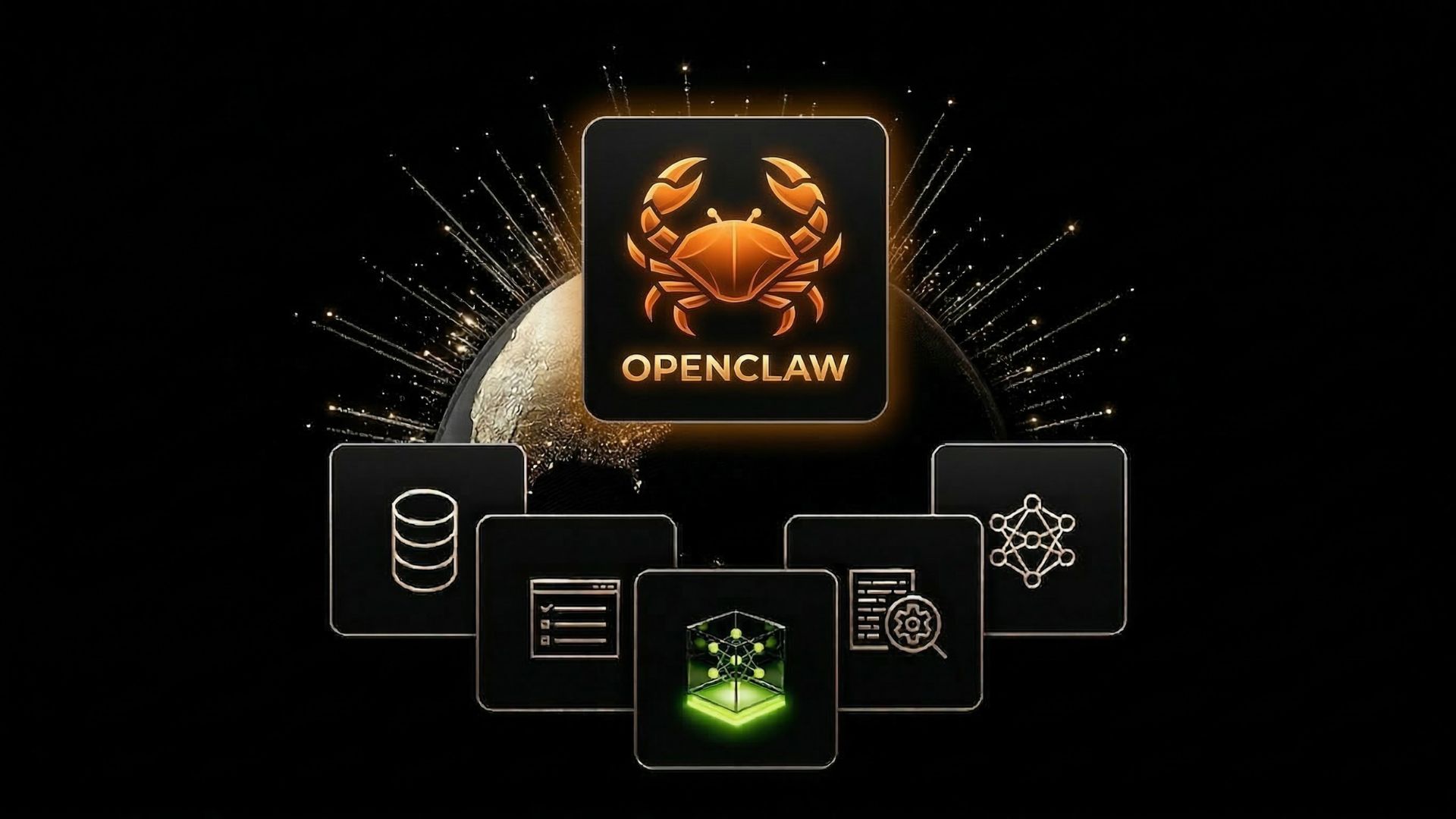
NVIDIA's benchmarking on PinchBench, a suite for evaluating agent workloads, shows Nemotron 3 Super scoring 85.6% across the full test suite. This performance surpasses other leading models, including Opus 4.5 and GPT-OSS 120b, demonstrating its potential to redefine the capabilities of agentic AI systems.
For IT teams looking to future-proof their infrastructure, Nemotron 3 Super offers a compelling solution. Its hybrid architecture and efficient parameter activation make it ideal for workloads that require both high performance and resource optimization. However, users should be aware of its limitations, particularly in edge deployment scenarios where compute constraints may still pose challenges.
As agentic AI systems continue to grow in complexity, models like Nemotron 3 Super will play a crucial role in shaping the future of AI workloads. For those invested in pushing the boundaries of what's possible with open-source AI, this model represents a significant leap forward—one that could redefine how we approach large-scale agentic applications.