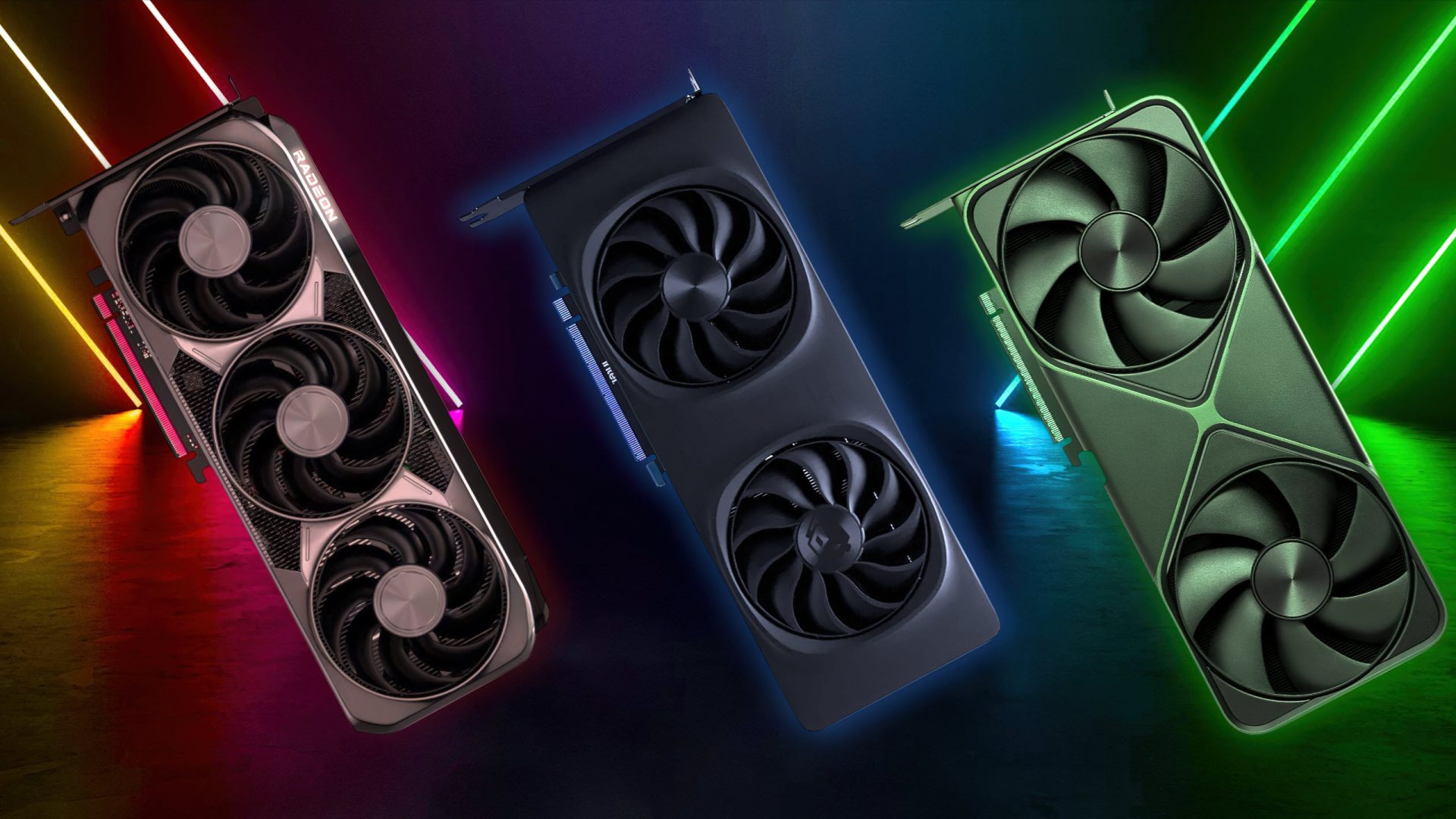
For decades, Windows has been the undisputed king of PC gaming, its ecosystem locking in hardware and software developers with unmatched optimization. But beneath the surface, a shift is brewing. Nvidia’s latest hiring push—centered on Linux GPU driver refinement—hints at a deliberate effort to make open-source operating systems a viable, even superior, platform for high-performance gaming. If successful, this could force Microsoft to confront a long-ignored competitor in its own backyard.
The tech industry has long treated Linux as the domain of servers, developers, and tinkerers, not mainstream gamers. Yet Nvidia’s internal recruitment for roles focused on Linux driver architecture, open-source stack integration, and performance tuning suggests the company is betting on a future where Linux isn’t just functional for gaming—it’s better. The stakes are high: improving Linux support could attract a new wave of users to Nvidia’s hardware while pressuring Microsoft to accelerate its own Linux gaming initiatives, like WSLg and Steam Deck compatibility.
The move is particularly notable because it aligns with broader industry trends. Valve’s Steam Deck, Epic’s Linux desktop push, and even Microsoft’s own embrace of Linux tools (via Windows Subsystem for Linux) signal that open-source OSes are no longer niche curiosities. For Nvidia, investing here isn’t just about market share—it’s about shaping the next era of PC gaming, where hardware performance isn’t dictated by a single vendor’s ecosystem.
What’s Changing Under the Hood?
Nvidia’s internal shift isn’t just about fixing bugs or adding basic functionality. The job postings emphasize

- Linux driver architecture: Deep optimizations for real-time rendering, latency reduction, and kernel-level integration—areas where Windows drivers have long held the edge.
- Open-source stack integration: Closer collaboration with Mesa, Wayland, and other Linux graphics projects to ensure Nvidia GPUs deliver parity (or superiority) in benchmark performance.
- Performance tuning: Targeted improvements for competitive gaming, including frame-time consistency and multi-GPU setups, which are critical for esports and high-refresh-rate displays.
- Proprietary-to-open-source bridging: Efforts to maintain Nvidia’s proprietary features (like DLSS) while ensuring seamless Linux compatibility, a delicate balance that could redefine how hardware vendors support open systems.
These aren’t incremental updates—they’re foundational. If Nvidia succeeds, Linux could soon rival Windows in raw gaming performance, particularly for users who prioritize customization, server-grade stability, or hardware that pushes beyond traditional limits. For Microsoft, the message is clear: the gaming OS monopoly is no longer guaranteed.
The implications extend beyond benchmarks. A polished Linux gaming experience could attract developers to build cross-platform titles with native support, reducing the Windows tax that has long frustrated Linux enthusiasts. It might also accelerate adoption in data centers and creative workflows, where Linux already dominates, by proving its viability for high-end visual computing.
Of course, challenges remain. Linux’s fragmented desktop environments, lack of standardized driver certification, and occasional hardware compatibility quirks could slow progress. But Nvidia’s investment suggests it’s willing to tackle those hurdles head-on—something no major GPU vendor has done at this scale before.
For now, the changes are internal, but the signal is unmistakable: Linux is no longer an afterthought for Nvidia. If the company follows through, the next generation of PC gamers might not just tolerate open-source systems—they might demand them.