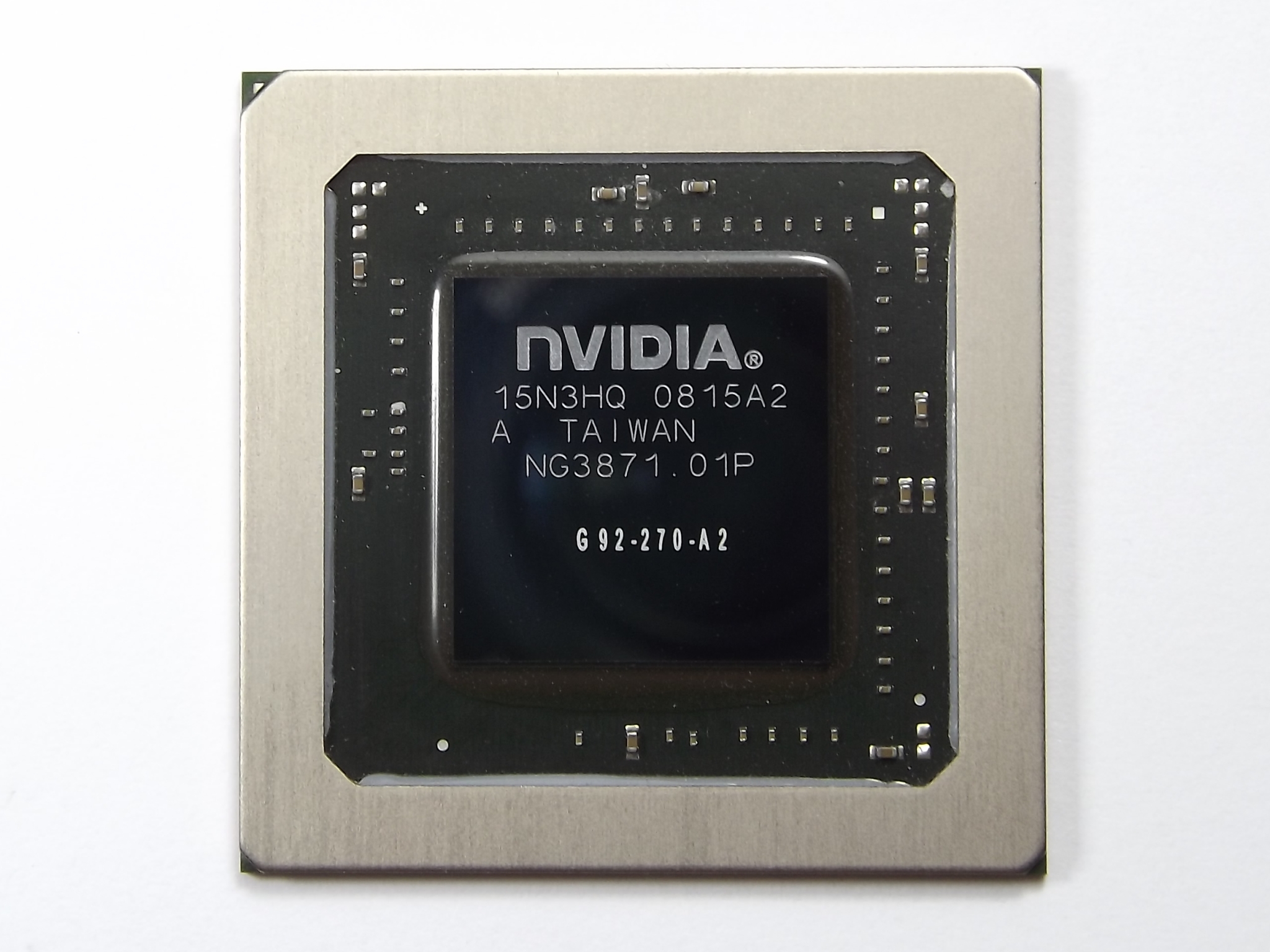
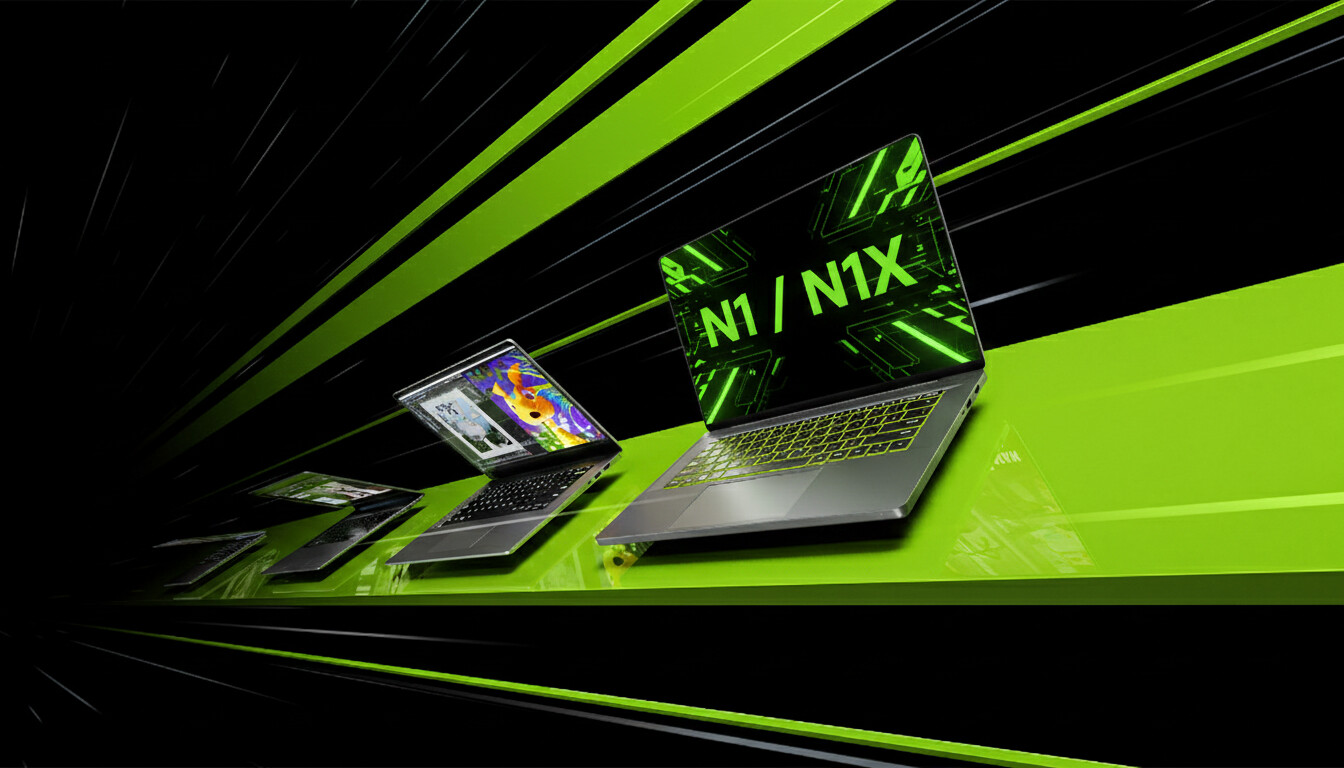
NVIDIA’s push into Arm-based laptop processors is inching closer to reality, with reports suggesting the company’s long-awaited N1 and N1X chips may launch in the first half of 2026. Unlike traditional x86-based designs, these chips promise a radical shift in efficiency, battery life, and slim form factors—though their arrival hinges on a few critical questions: Will they debut at NVIDIA’s GTC conference in March, or will they slip into late 2026? And how will their performance compare to existing discrete GPUs?
The chips, developed in collaboration with MediaTek, integrate CPU, GPU, and NPU (neural processing unit) cores into a single package, targeting ultra-thin laptops from manufacturers like Dell and Lenovo. Early leaks hint at a 20-core Arm CPU and a 48-unit iGPU in the N1X variant, built on NVIDIA’s GB10 Superchip architecture—already proven in its DGX Spark AI mini PC. However, no official specs, pricing, or release dates have been confirmed.
The stakes are high. NVIDIA skipped CES 2026 without a single mention of these chips, leaving enthusiasts and OEMs in limbo. Meanwhile, Intel’s own hybrid x86 + NVIDIA GPU designs could compete for the same market—blurring the lines between integrated and discrete graphics.
Connectivity and Ports: A Focus on Ultra-Slim Designs
One of the most compelling promises of NVIDIA’s Arm-based chips is their potential to enable ultra-thin laptops with longer battery life. While exact port configurations remain unconfirmed, leaks suggest these systems will prioritize
- Thunderbolt 4 or USB4: Likely the primary high-speed interface for external displays and storage.
- USB-C (with DisplayPort/HDMI alt mode): Essential for multi-monitor setups and docks.
- Wi-Fi 7 and Bluetooth 5.4: Future-proof wireless connectivity for faster data transfer.
- MicroSD or eMMC (if entry-level): Possible in budget-friendly models to offset limited internal storage.
- No HDMI or legacy ports: Expected in premium designs, favoring USB-C universality.
This approach mirrors Apple’s M-series chips, where port selection dictates form factor. If NVIDIA’s Arm chips follow suit, expect no dedicated GPU slots—meaning these laptops will rely entirely on integrated graphics, a tradeoff that could limit raw performance for demanding workloads.
Performance and Display: Integrated Power with Tradeoffs
The N1X’s 48-unit iGPU suggests a focus on AI acceleration and efficiency rather than raw gaming performance. Benchmarks aren’t available, but comparisons to NVIDIA’s RTX 50-series (like the $5,000 RTX 5090) highlight a stark contrast: the 5090 delivers 40 TFLOPS of compute power, while an integrated Arm GPU may struggle with modern AAA titles at high settings. That said, for productivity, content creation, and AI tasks, the NPU could offer significant advantages—especially if optimized for NVIDIA’s Tensor Cores.
Display support is another wildcard. Early leaks suggest up to 4K HDR and 120Hz refresh rates on USB-C monitors, but whether these chips can handle multi-display setups or external GPU docks remains unclear. If NVIDIA’s Arm chips lack eGPU compatibility, professionals relying on high-end GPUs may need to look elsewhere.
Key Specs (Leaked)
- Codenames: N1 (entry-level), N1X (high-end)
- Architecture: GB10 Superchip (same as DGX Spark)
- CPU: 20 Arm cores (N1X)
- GPU: 48 integrated cores (iGPU)
- NPU: AI acceleration (Tensor Core-equivalent)
- Manufacturing Partner: MediaTek (Arm-based)
- Target OEMs: Dell, Lenovo (Yoga, Legion series)
- Expected Form Factor: Ultra-thin, fanless or low-TDP designs
- Ports (Likely): USB-C/Thunderbolt, Wi-Fi 7, Bluetooth 5.4
- Display Support: 4K HDR, 120Hz (external)
- Launch Window: First half of 2026 (GTC 2026 or later)
- Pricing: Not confirmed (likely premium for N1X)
The N1 and N1X chips aren’t just about raw power—they’re a bet on efficiency and AI-native design. For consumers, this could mean laptops that last a full workday on a single charge, with seamless integration of NVIDIA’s AI tools. However, gamers and power users may find themselves limited by integrated graphics, especially if these chips lack discrete GPU support.
With GTC 2026 just weeks away, NVIDIA’s silence is deafening. If the company follows through, these chips could redefine mobile computing—but if delays persist, the Arm laptop revolution may still be a year away.