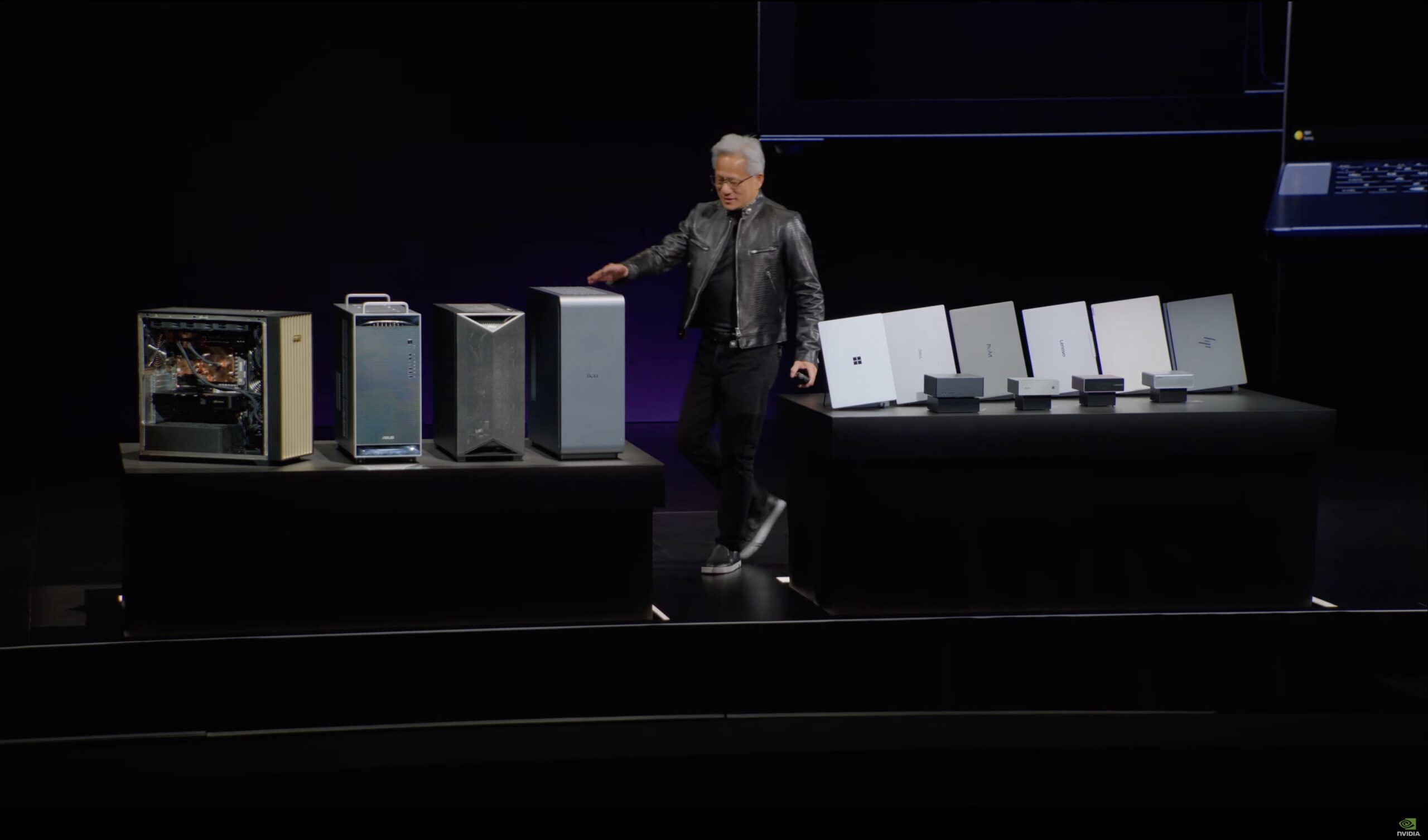
The energy surrounding Consumer Electronics Show (CES) 2026 reached a new peak today with NVIDIA’s highly anticipated unveiling of the Rubin platform, coupled with their commitment to open model development. CEO Jensen Huang delivered a keynote address that firmly established artificial intelligence as the dominant force driving technological advancement and reshaping computing paradigms across virtually every sector.
Huang’s opening remarks centered on the profound impact of accelerated computing – fueled by AI – on modern technology. He emphasized that this transformation represents more than just incremental improvements; it signifies a fundamental shift in how we approach computation, with AI becoming intrinsically woven into the fabric of everyday devices and applications.
The Rubin Platform: A Decentralized Approach to Computing
Central to NVIDIA’s vision is the Rubin platform, designed as a modular and adaptable system built for demanding workloads. Rather than relying on centralized processing, Rubin leverages a distributed architecture, enabling greater scalability and resilience. This approach allows for optimized performance based on specific task requirements, reducing bottlenecks and enhancing efficiency.
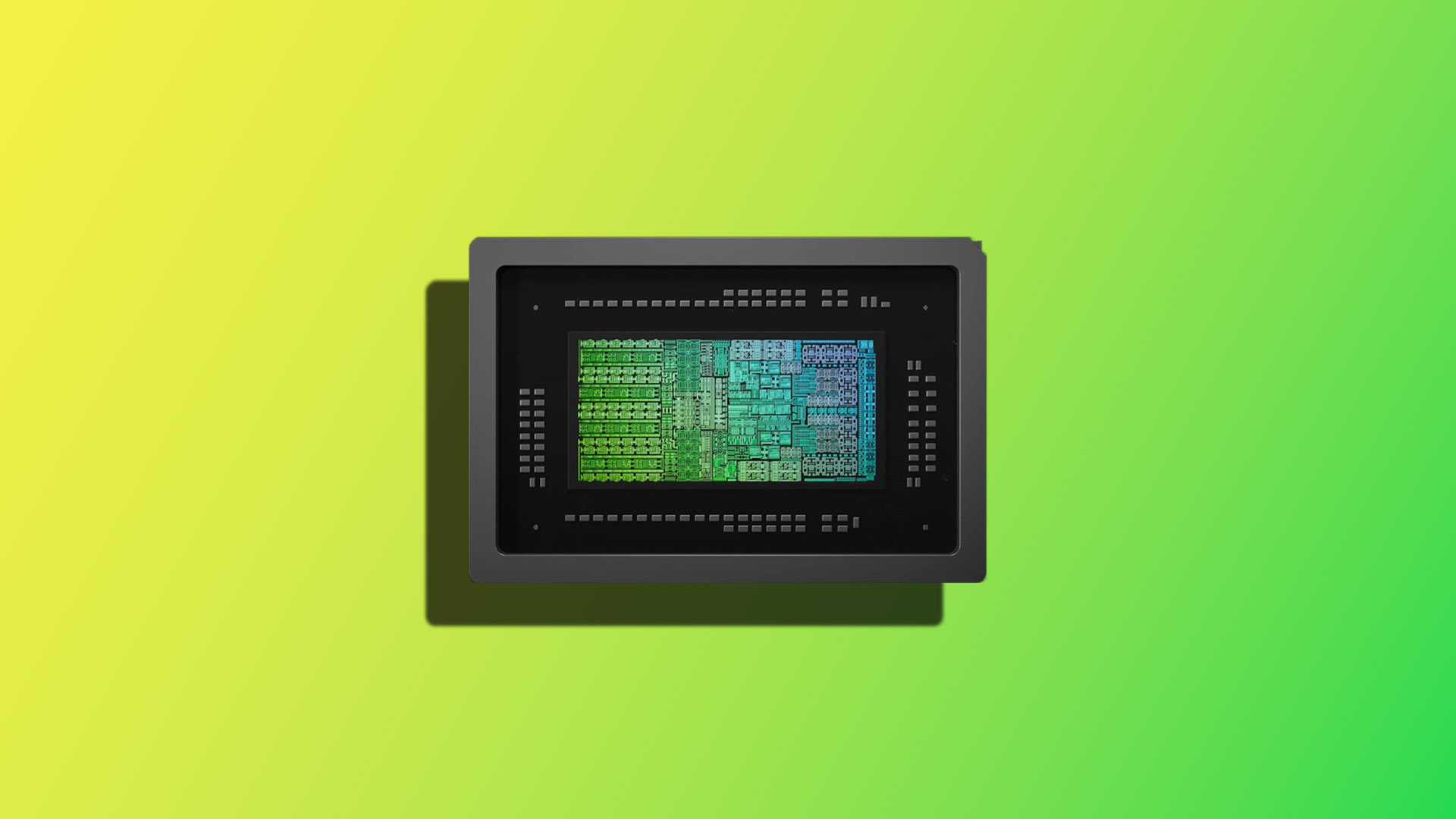
Details revealed suggest that Rubin is architected around NVIDIA’s latest GPU technology, significantly enhanced with specialized AI accelerators. The platform's modular design facilitates the integration of various components—ranging from high-performance computing units to embedded systems—creating a versatile solution suitable for a broad spectrum of applications.
A key element of Rubin is its emphasis on interoperability. It’s designed to seamlessly connect with existing infrastructure and future technologies, facilitating a smoother transition for businesses adopting AI solutions. The platform's open architecture encourages collaboration and innovation within the broader tech community.
Open Models: Fostering Collaboration and Innovation
Alongside the Rubin platform, NVIDIA introduced a series of open models specifically tailored for autonomous driving applications. These models are designed to be readily accessible to developers, researchers, and automotive manufacturers, accelerating the pace of innovation in this critical sector.
The initiative underscores NVIDIA’s commitment to democratizing access to advanced AI technology. By releasing these models under an open license, NVIDIA aims to foster a collaborative ecosystem where diverse perspectives converge to address the complex challenges inherent in autonomous driving – including perception, decision-making, and control.

�We believe that true progress in autonomous driving requires collaboration,” Huang stated. “Our open model approach allows us to tap into the collective intelligence of the global developer community, resulting in more robust, reliable, and ultimately safer self-driving systems.”
Applications Beyond Autonomous Driving
While autonomous driving represents a primary focus for the Rubin platform and open models, NVIDIA highlighted their potential across a wide range of industries. The platform’s versatility lends itself to applications in areas such as
- Healthcare: Advanced diagnostics, personalized medicine, and robotic surgery.
- Manufacturing: Predictive maintenance, quality control, and robotics automation.
- Retail: Intelligent inventory management, customer analytics, and automated checkout systems.
- Entertainment & Media: Real-time rendering, immersive experiences, and content creation tools.
NVIDIA anticipates that the Rubin platform’s adaptable architecture will be instrumental in driving breakthroughs across these diverse sectors, enabling businesses to unlock new levels of efficiency and innovation.
Strategic Implications & The Future of AI
The unveiling of the Rubin platform and open models marks a significant strategic move for NVIDIA. It signals a shift from solely focusing on hardware sales towards fostering an ecosystem centered around software and collaborative development. This approach aligns with the increasingly dominant trend of cloud-based AI services and decentralized computing.
�We’re not just building chips; we're building platforms for the future,” Huang asserted. “The Rubin platform represents a fundamental step in empowering developers to build the next generation of intelligent applications.”
Looking Ahead
NVIDIA’s presentation at CES 2026 has generated considerable excitement within the tech industry, solidifying its position as a leader in AI and autonomous driving. The Rubin platform and open models represent a bold vision for the future of computing – one characterized by decentralization, collaboration, and accelerated innovation. The impact of this initiative is expected to be felt across numerous industries, fundamentally altering how we interact with technology and shaping the landscape of artificial intelligence for years to come.