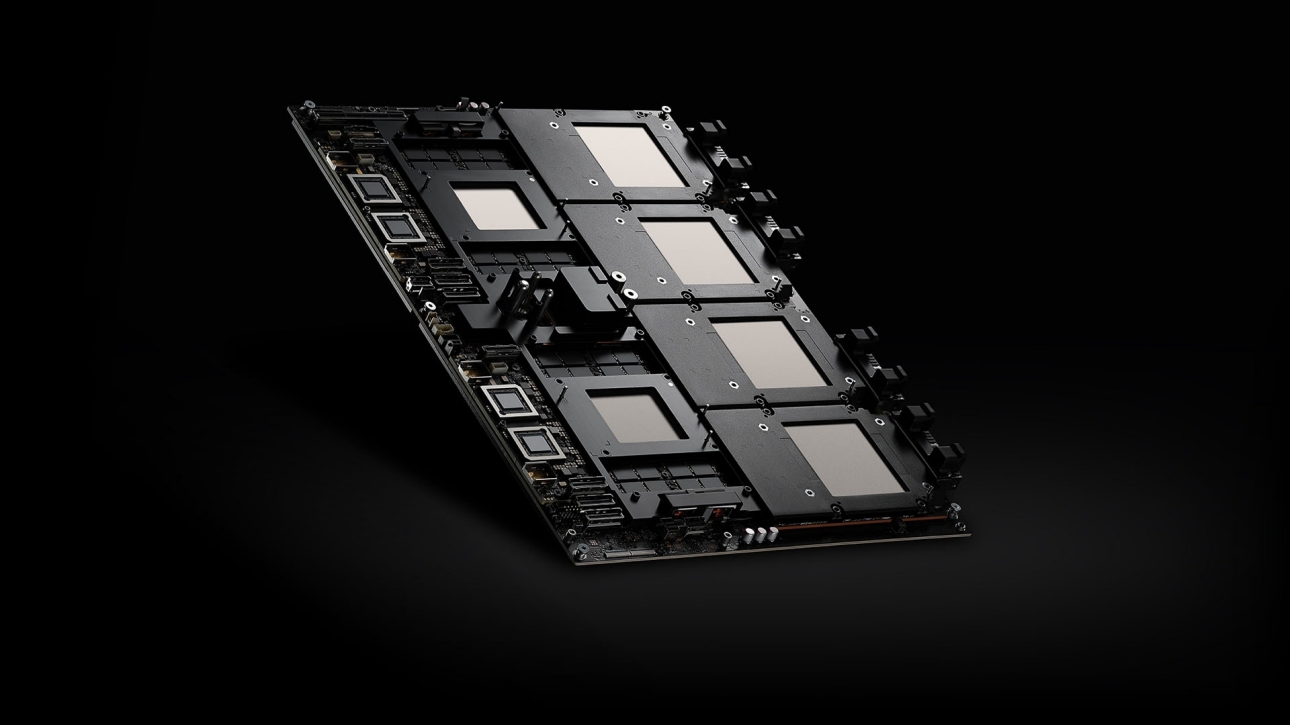
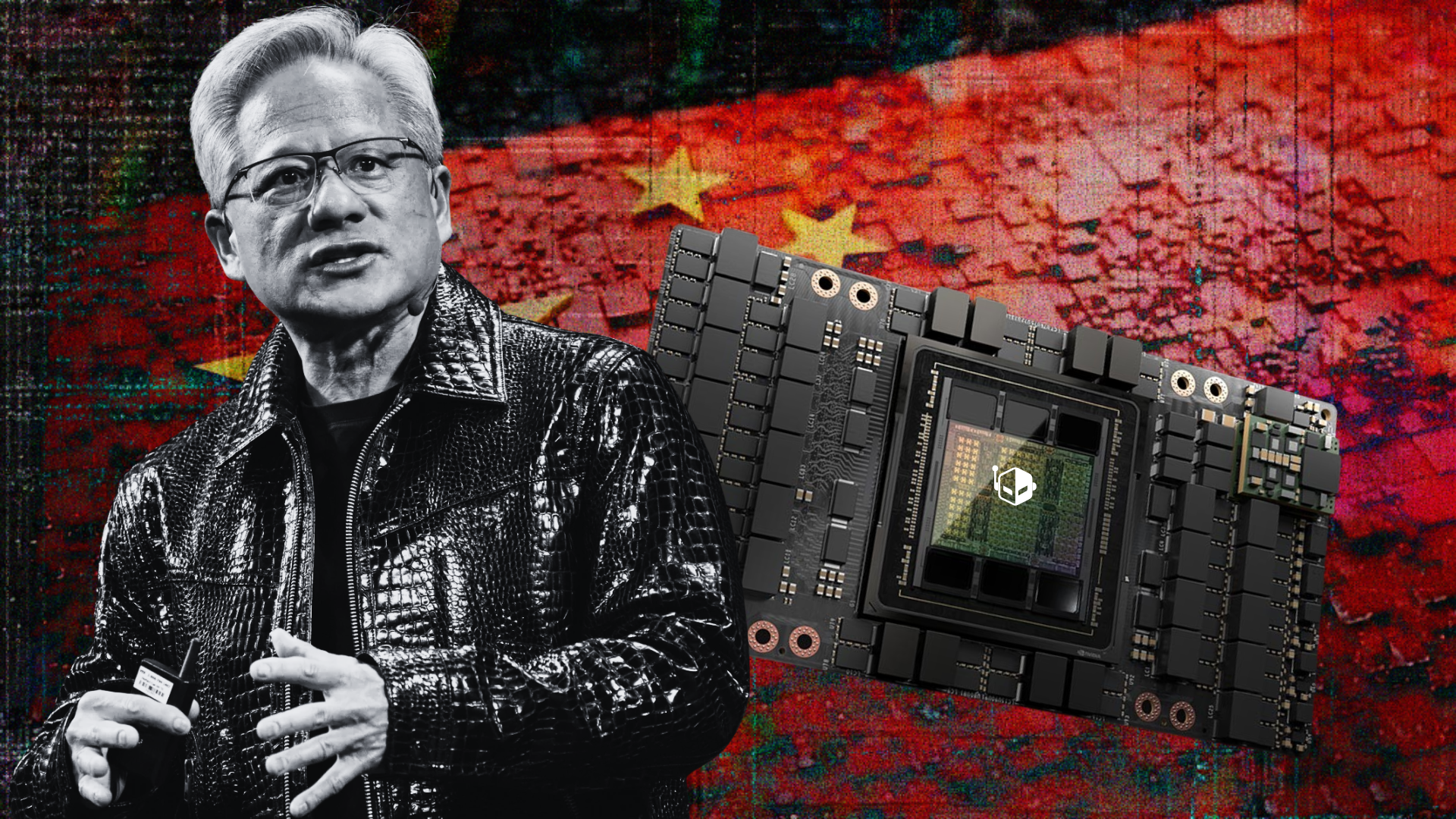
NVIDIA’s approach to the Chinese market has hit a turning point. Reports indicate the company is halting production of its H200 AI chips—originally earmarked for hyperscalers in China—in favor of ramping up output for the Vera Rubin architecture. The shift suggests a strategic pivot away from uncertainty, where geopolitical constraints and demand fluctuations have become too volatile to sustain.
This isn’t just about scaling back; it’s about rethinking priorities. NVIDIA had anticipated millions of H200 units in China, pushing supply chains like TSMC to adjust production lines accordingly. But with U.S. restrictions capping customer orders at 75,000 units, the company is now prioritizing consistency over revenue. The Vera Rubin architecture, already in high demand globally, offers a more stable path forward.
Why the Shift Matters
The H200 was meant to be NVIDIA’s breakthrough product for China, but its rollout has been complicated by political and regulatory hurdles. The company’s supply chain partners are now left with unfulfilled orders, while NVIDIA focuses on products that deliver predictable demand. This isn’t just a business decision—it’s a signal that the company is no longer willing to bet heavily on a market where outcomes are increasingly uncertain.
Key Specs: RTX 3060 and RTX 5050
- RTX 3060: A mid-range GPU with GDDR6 memory, designed for balanced performance in gaming and content creation.
- RTX 5050: Rumored to feature 9 GB of GDDR7 memory, targeting entry-level AI workloads and efficiency-driven tasks.
The RTX 3060 remains a staple for developers needing reliable performance without the cost or complexity of high-end solutions. Meanwhile, the RTX 5050, if it materializes, could fill a niche for those looking to integrate AI capabilities at a lower threshold of power consumption and thermal output.
For developers, this means NVIDIA is doubling down on products that balance efficiency with scalability—key factors in an era where hardware costs and thermal management are critical. The RTX 3060’s proven track record makes it a safe bet for projects requiring stability, while the RTX 5050 could emerge as a gateway for AI adoption without the overhead of high-end chips.
Looking ahead, NVIDIA’s focus on Vera Rubin suggests a broader trend: companies are prioritizing products that align with global demand over regional risks. For developers, this translates to more stable hardware options, though at the cost of some of the cutting-edge capabilities previously promised for China. The next few months will reveal whether this shift stabilizes NVIDIA’s supply chain or further complicates its roadmap.