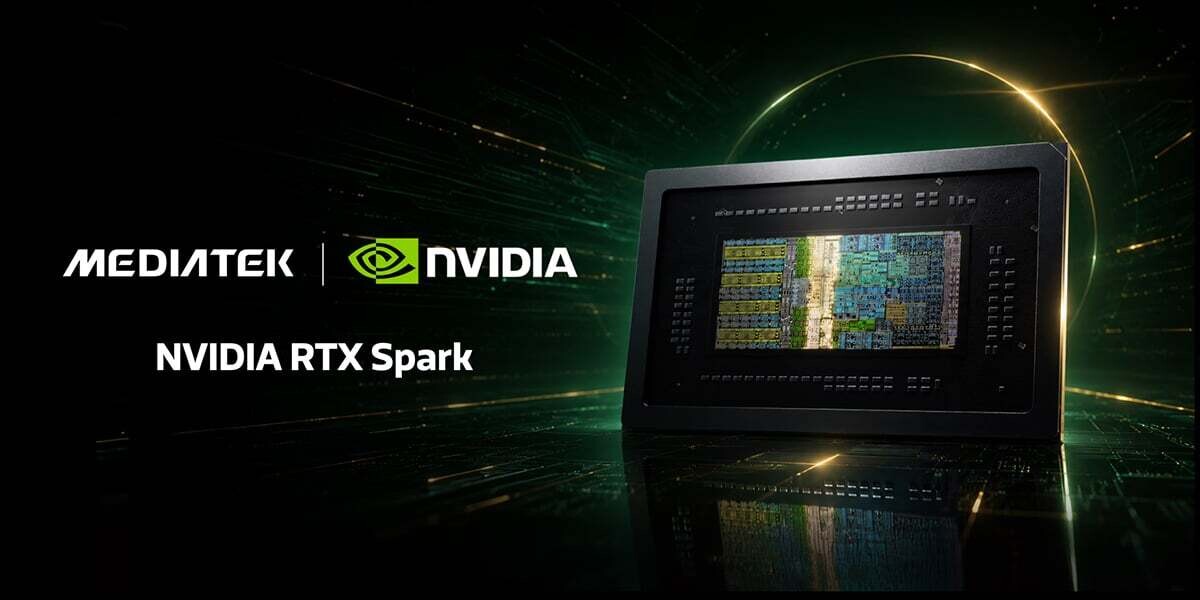
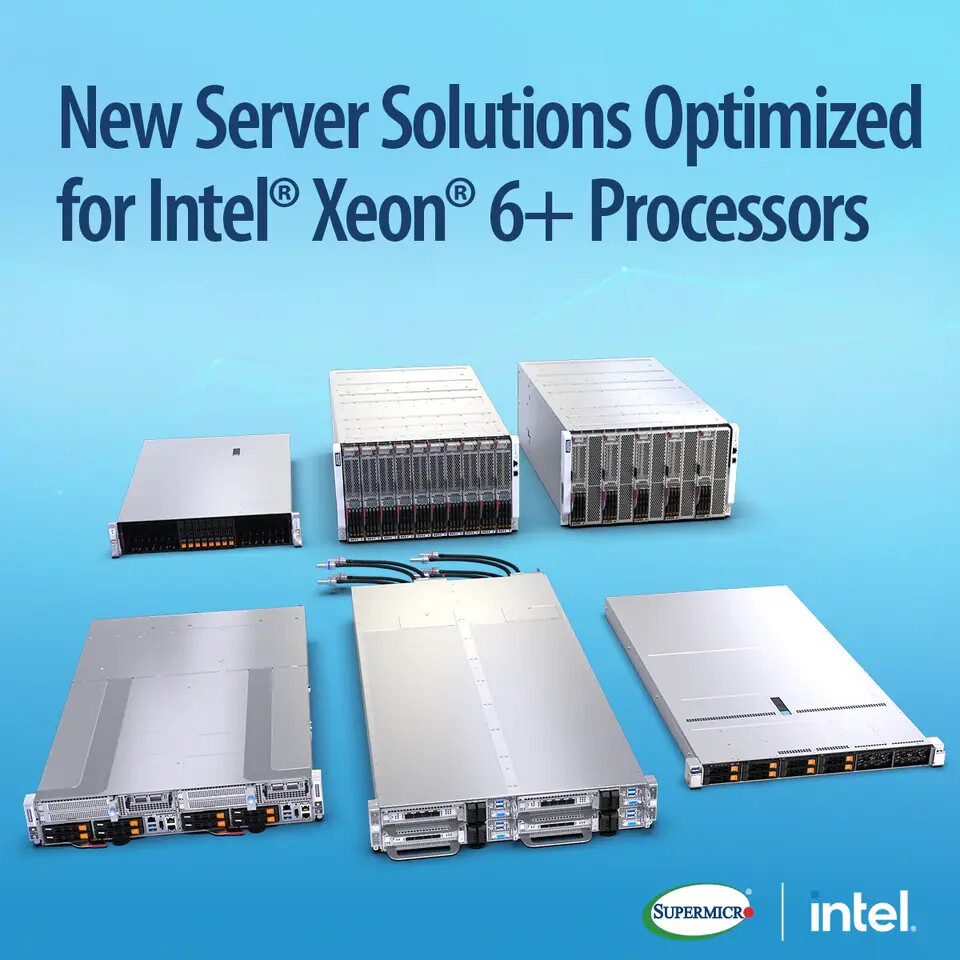
Efficiency in AI hardware has taken a sharp turn with NVIDIA’s RTX Spark series, which prioritizes heat management and power consumption without sacrificing performance. MSI’s latest implementations—a mini PC and a dual-OLED laptop—showcase how this shift can reshape upgrade decisions for creators, balancing cost, size, and thermal behavior.
The RTX Spark’s architecture is built around a smaller, more efficient die that reduces power draw while maintaining the same compute capabilities as its predecessors. This isn’t just about wattage; it’s about how heat behaves in tight spaces, making it ideal for compact builds where airflow is limited. For users who prioritize cooling and longevity over raw performance, this could be a turning point.
Key specs highlight the difference

- Chipset: NVIDIA RTX Spark (based on Ada Lovelace architecture)
- Memory: 12GB GDDR6 (onboard), with support for up to 48GB via external modules
- Storage: PCIe 4.0 SSD slot, M.2 form factor
- Display: Dual 3.5K OLED panels (on the laptop model) with 90Hz refresh rate and HDR support
- Power: 120W TDP for the mini PC, 45W per OLED panel in the laptop
The mini PC, codenamed EdgeMesa-N, is designed for edge AI workloads where size matters. Its 120W TDP is a fraction of what traditional workstations demand, yet it delivers sustained performance for inference tasks. The dual-OLED laptop, part of MSI’s Prestige series, takes this further by integrating two 3.5K panels into a flip mechanism, doubling the real estate for AI training without increasing heat output significantly.
For everyday users, the tradeoff is subtle but meaningful: longer battery life in the laptop, cooler operation in the mini PC, and fewer fans required to maintain stability. The RTX Spark doesn’t offer raw performance gains over its predecessors, but it redefines what ‘efficient’ means in a market where power bills and thermal throttling are growing concerns.
Availability and pricing haven’t been confirmed, but industry sources suggest the mini PC will target enterprise budgets starting around $1,200, while the laptop could land near $2,500. Whether these prices reflect the efficiency gains or are simply a premium for NVIDIA’s latest branding remains to be seen.