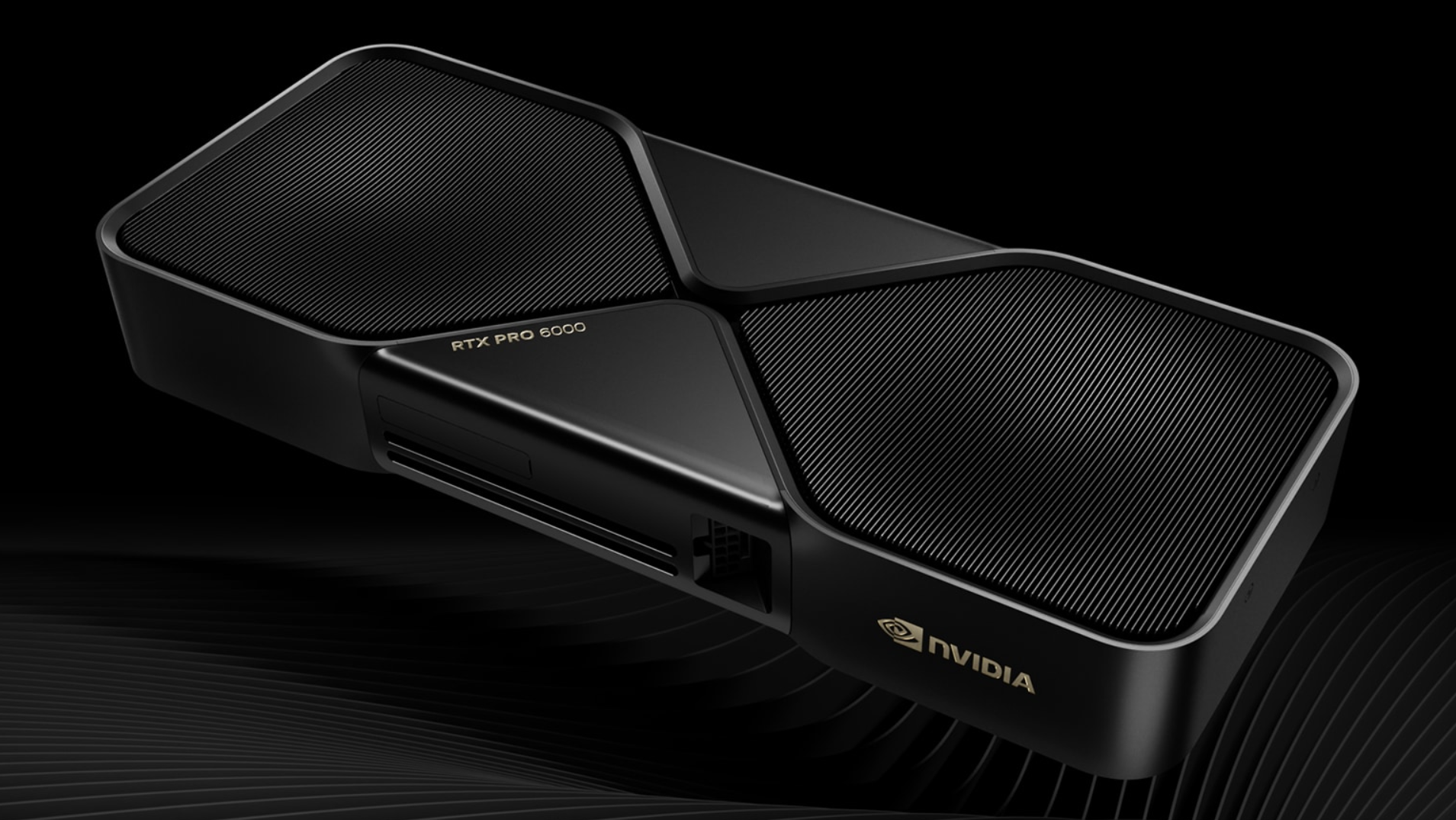
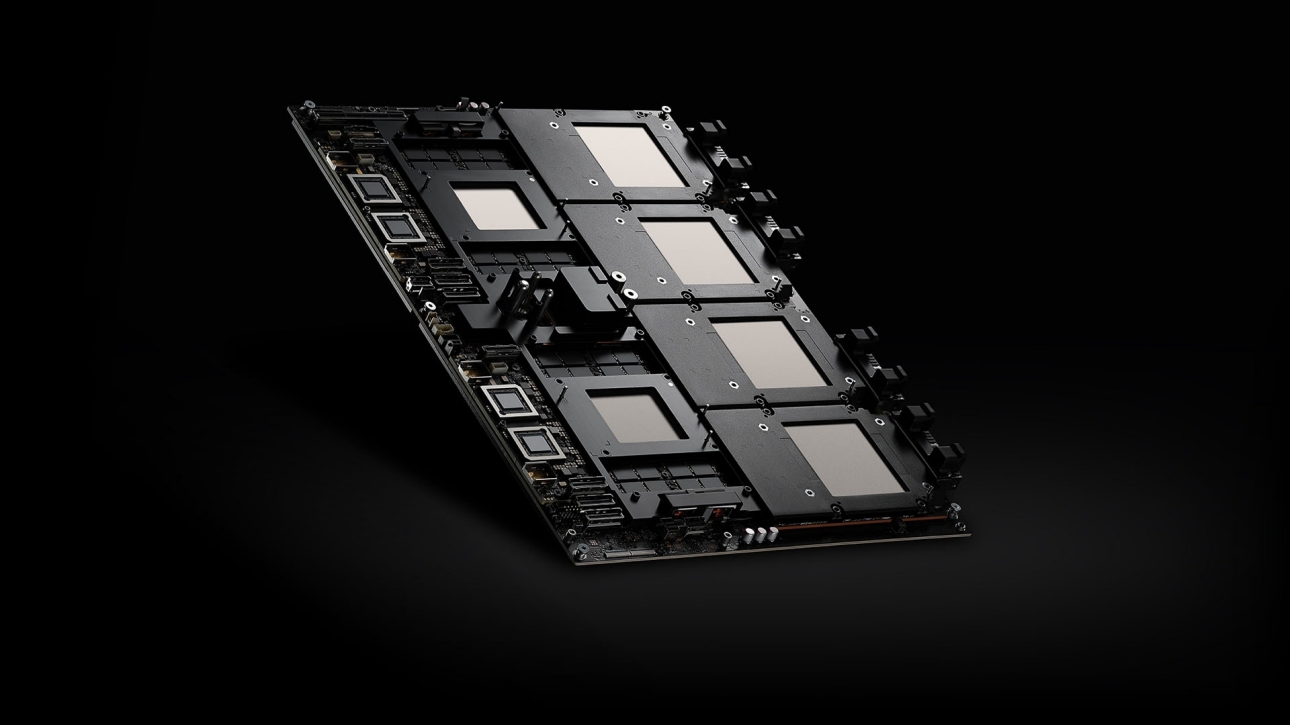
The RTX 5080 is not just another incremental upgrade; it represents a fundamental shift in how GPUs handle computation. With 16 GB of memory and powered by NVIDIA's Blackwell architecture, this card is designed to push the boundaries of what users can achieve—whether they're rendering complex 3D scenes, training AI models, or diving into high-end gaming.
To understand its significance, it helps to trace the evolution of GPU design. The Blackwell platform, which underpins the RTX 5080, builds on decades of innovation in parallel processing. Unlike previous generations that focused primarily on raw clock speeds and CUDA core counts, Blackwell introduces a more efficient approach to memory bandwidth and power consumption. This shift is critical for users who demand both performance and sustainability.
For Gaming: A New Standard
Gamers will notice the RTX 5080's impact immediately. The combination of high memory capacity and optimized ray tracing capabilities means smoother frame rates at higher resolutions, even in demanding titles. Unlike earlier GPUs that struggled with memory bottlenecks in modern games, the RTX 5080 addresses this head-on, providing a more fluid experience without sacrificing visual fidelity.
For Creators and Workstations: Productivity Redefined
Professional users—whether they're 3D artists, video editors, or AI researchers—will find the RTX 5080 to be a game-changer. The Blackwell architecture's focus on memory efficiency allows for faster data processing, which is essential in workloads like real-time rendering or large-scale simulations. This means projects that once took hours can now be completed in minutes, without compromising quality.

Everyday Use: Efficiency Meets Power
While the RTX 5080 is built for high-performance tasks, its power efficiency also makes it practical for everyday use. Unlike older GPUs that consumed significant wattage even during idle tasks, Blackwell's design ensures that energy is used more effectively. This balance between performance and efficiency is a reflection of NVIDIA's long-term strategy to meet the demands of both consumers and enterprises.
Market Dynamics: A Reflection of Industry Trends
The RTX 5080's arrival coincides with a broader trend in the tech industry toward more sustainable and efficient hardware. As data centers and AI workloads grow, GPUs must evolve to keep pace without draining resources. Blackwell is NVIDIA's response to this challenge—a design that prioritizes both performance and power awareness.
What's Confirmed and What's Still Unknown
The RTX 5080 brings several confirmed advancements, including its 16 GB memory configuration and the Blackwell architecture. However, some details—such as long-term software optimization and real-world power consumption in extended sessions—remain to be seen. Users will need time to benchmark these aspects fully.
In summary, the RTX 5080 is a milestone in GPU evolution. It confirms NVIDIA's commitment to pushing performance while addressing efficiency, setting a new benchmark for what users can expect from future hardware. Whether it lives up to its potential in practice remains an open question, but its technical foundation is undeniably strong.