For content creators working on mid-range systems, the idea of a graphics card that balances cost and capability has always been elusive. The RTX 5050 was meant to fill that gap—until now.
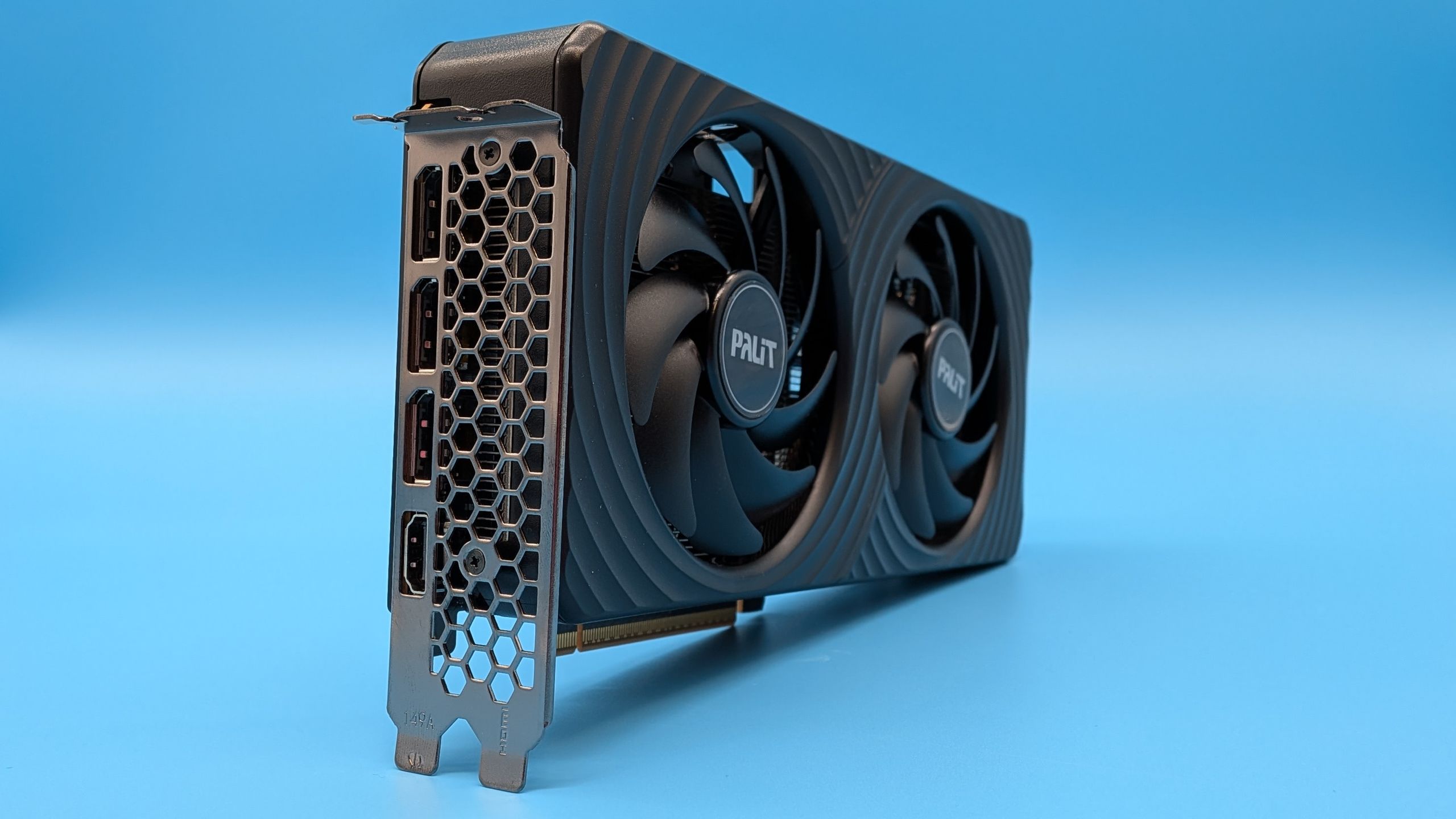
Nvidia’s upcoming RTX 5050 variant is set to feature 9 GB of GDDR7 memory, up from the original 8 GB GDDR6 configuration. This change isn’t just about raw capacity; it signals a shift in how Nvidia prioritizes VRAM efficiency and performance in its entry-level GPUs.
Why 9 GB Now?
The move to GDDR7 is driven by supply constraints, particularly the scarcity of GDDR6. While GDDR7 offers faster speeds, it also comes with higher power consumption and thermal considerations. For a card like the RTX 5050—designed for OEMs and budget-conscious builders—the decision to use 3 GB modules (totaling 9 GB) instead of 2 GB ones (which would yield 12 GB) is likely about balancing cost, power draw, and real-world gains.
Specs at a Glance
- Model: RTX 5050 (9 GB GDDR7)
- Memory Type: GDDR7
- Memory Capacity: 9 GB
- Bus Width: 96-bit
- Previous Variant: RTX 5050 (8 GB GDDR6)
The reduction in bus width from 128-bit to 96-bit is notable, but GDDR7’s bandwidth should compensate for this in most workloads. For creators rendering mid-resolution projects or working with AI-assisted tools, the extra 1 GB could make a difference in texture handling or model processing without pushing the card into premium pricing territory.
What This Means for Creators
The RTX 5050 has always been a niche product—primarily for OEM builds and budget-conscious users. The 9 GB variant doesn’t redefine that role, but it does offer a marginal performance bump in scenarios where VRAM is a bottleneck, such as 1080p rendering or lightweight AI tasks. Whether this justifies the potential price premium remains to be seen.
For comparison, Nvidia’s higher-tier cards (like the rumored RTX 5070 Super with 18 GB or 24 GB) are still the focus for serious creators. The 9 GB RTX 5050 is more of a stopgap—a nod to current market demands rather than a leap forward.
The Bigger Picture
This shift also reflects Nvidia’s broader strategy in 2026: prioritizing efficiency over raw specs. With AI driving memory demand, the company is likely hedging its bets by optimizing VRAM usage in entry-level cards while saving larger capacities for professional and enthusiast models.
The RTX 5050’s 9 GB GDDR7 variant won’t be a game-changer, but it underscores a quiet milestone: Nvidia is no longer just chasing higher numbers—it’s refining how VRAM is allocated across its lineup. For creators, that means smaller gains in entry-level cards, but also fewer excuses to upgrade prematurely.