NVIDIA is assembling a specialized engineering team to overhaul how its GPUs interact with Linux gaming infrastructure, with a sharp focus on Proton and Vulkan. The move signals a strategic shift—not just to patch gaps in existing support, but to actively shape the future of gaming on the platform.
While details remain scarce, the job postings suggest NVIDIA is tackling performance hiccups at the hardware-software intersection. The goal: reducing stutter, optimizing CPU overhead, and refining frame pacing in games that rely on Vulkan or Proton’s Windows-to-Linux translation layer. This isn’t just about fixing bugs—it’s about reengineering the stack for smoother, more predictable performance.
The implications stretch beyond desktops. With Valve’s Steam Deck still the sole major Linux-powered handheld and NVIDIA’s N1/N1X SoCs already earmarked for laptops, speculation swirls that the company could be laying groundwork for a rival handheld ecosystem. If executed, such a platform would directly compete with AMD’s current dominance in the niche, offering NVIDIA’s strengths in ray tracing and AI acceleration.
Why This Matters
For Linux gamers, the changes could mean fewer workarounds and closer parity with Windows performance. Developers and distribution maintainers will likely collaborate on standardized fixes, ensuring updates ripple across the ecosystem. Meanwhile, the push into Vulkan—long a weak point for NVIDIA’s Linux drivers—could finally address inconsistencies that have frustrated users for years.
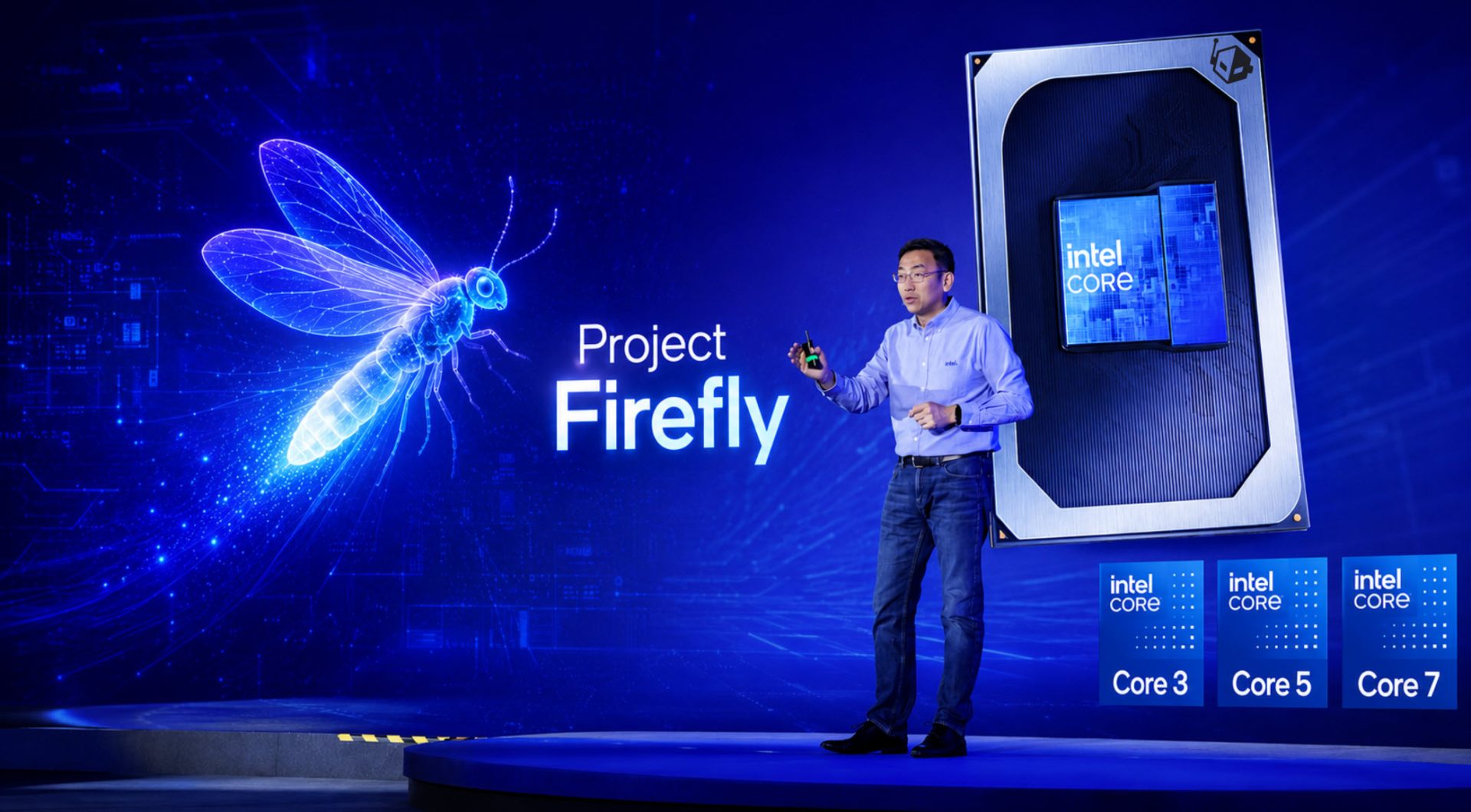
Beyond gaming, the move aligns with broader industry trends. NVIDIA’s recent $5 billion purchase of Intel assets and its push into integrated GPUs for x86 platforms hint at a long-term bet on Linux as a viable gaming and productivity OS. If the company’s N1/N1X chips ever land in a Steam Deck-like device, the optimizations being built today could become the foundation for that vision.
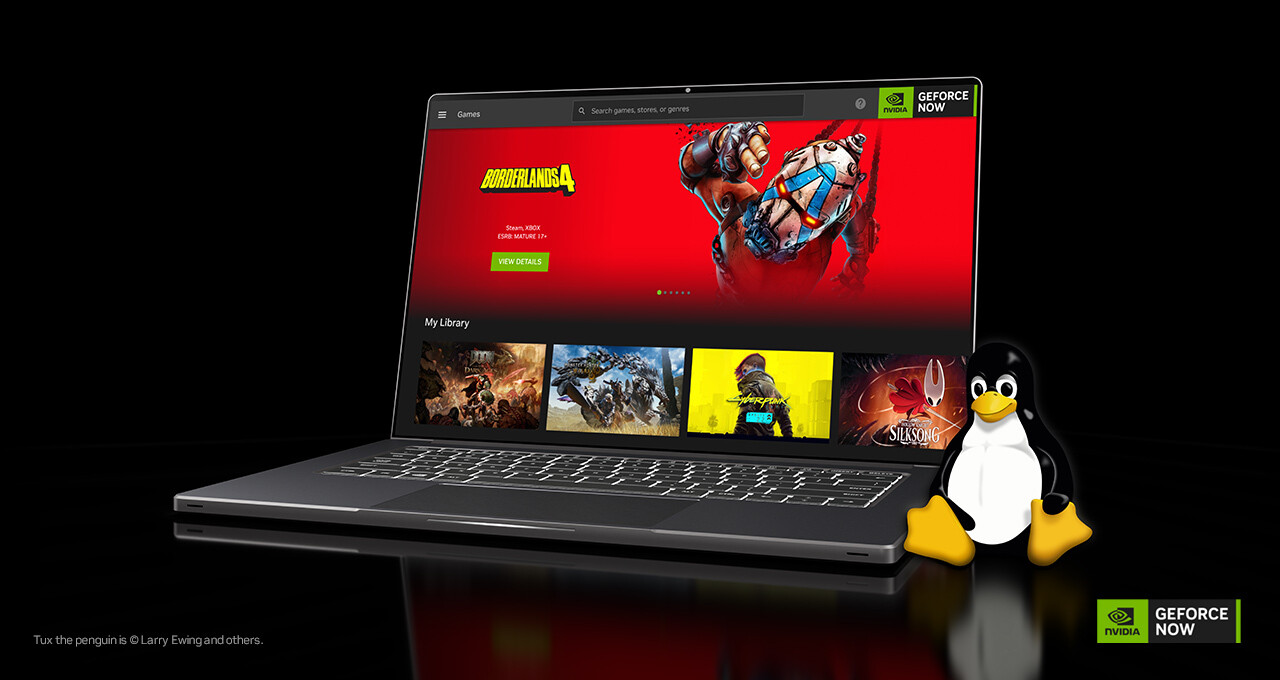
Key Focus Areas
- Proton Layer: Deep profiling of API translation bottlenecks, with plans to propose changes to how Windows-specific calls are handled in Linux.
- Vulkan API: Direct optimization of NVIDIA’s driver interaction with Vulkan, aiming to eliminate frame pacing issues and CPU inefficiencies.
- Hardware-Software Sync: Collaboration with distribution teams (e.g., Ubuntu, Fedora) to implement fixes system-wide, not just in NVIDIA’s proprietary stack.
- Test Automation: Development of repeatable benchmarks to measure progress, ensuring performance gains are measurable and sustainable.
The work isn’t limited to gaming. Vulkan’s role in creative applications and AI workloads means improvements could also benefit content creators and developers relying on NVIDIA hardware under Linux. However, the most immediate impact will likely be felt in the gaming space, where Proton’s adoption has surged in recent years.
While no official timeline has been shared, the hiring suggests NVIDIA is treating Linux gaming as a priority—not an afterthought. If past patterns hold, expect incremental improvements in early access or beta drivers before a polished rollout in late 2026 or early 2027.
For now, the focus remains on the engineering groundwork. But if NVIDIA’s N1 chips ever power a handheld device, the foundation being laid today could redefine what Linux gaming looks like tomorrow.