NVIDIA’s near-monopoly in the AI-accelerated GPU market—now at 94% share—is a stark contrast to an industry grappling with shrinking shipments, soaring prices, and unresolved memory shortages. The figures suggest a two-tiered landscape: one where NVIDIA consolidates its lead, and another where competitors struggle to maintain relevance.
For small businesses, the picture is mixed. While NVIDIA’s dominance ensures stability for AI workloads, the broader market faces headwinds that could delay or inflate future-proofing investments. The decline in overall AIB shipments—down 4.4% year-over-year to 11.5 million units—hints at a tightening supply chain that may not ease soon.
The data, drawn from Q4 2025 market analysis, shows AMD’s share slipping by 10 percentage points to just 5%, while Intel remains stagnant at 1%. This shift underscores NVIDIA’s aggressive push in AI-optimized hardware, but also raises questions about whether smaller players can compete without similar specialisation.

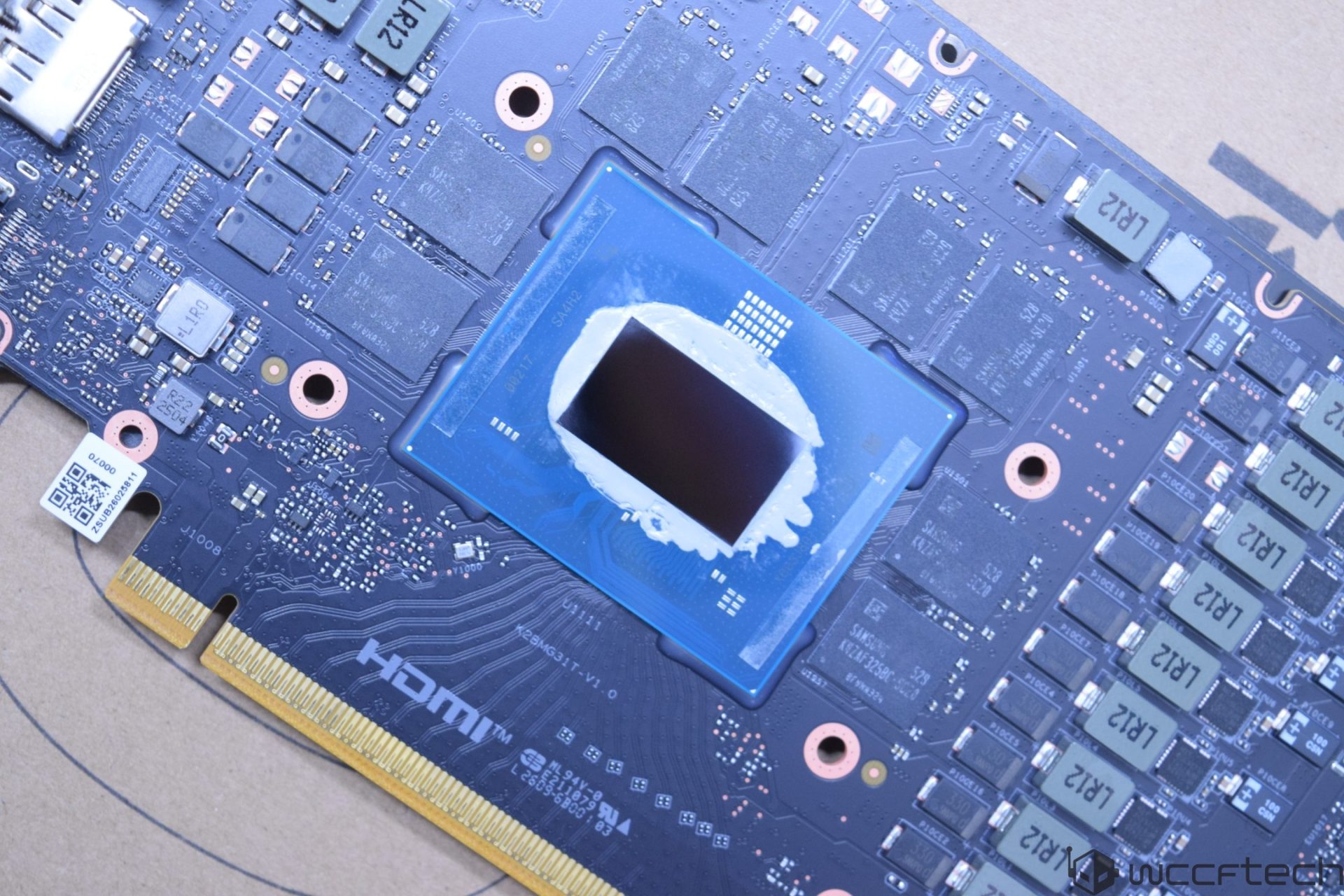
Key specs for the current generation of AI GPUs include
- RDNA 4 Architecture: Latest iteration with improved ray tracing and AI acceleration.
- Memory Constraints: DRAM shortages persist, affecting both performance and pricing.
- Pricing Volatility: Tariffs and scalping have distorted market stability.
The real-world impact for small businesses is clear: those relying on AI workloads will find NVIDIA’s ecosystem the most reliable, but the cost and availability of memory could become a bottleneck. Meanwhile, competitors like AMD are forced to innovate rapidly or risk further market erosion.
Availability remains uncertain, with no confirmed timeline for price stabilisation. Businesses should weigh whether current trends justify long-term commitments—or if waiting for market corrections carries less risk.