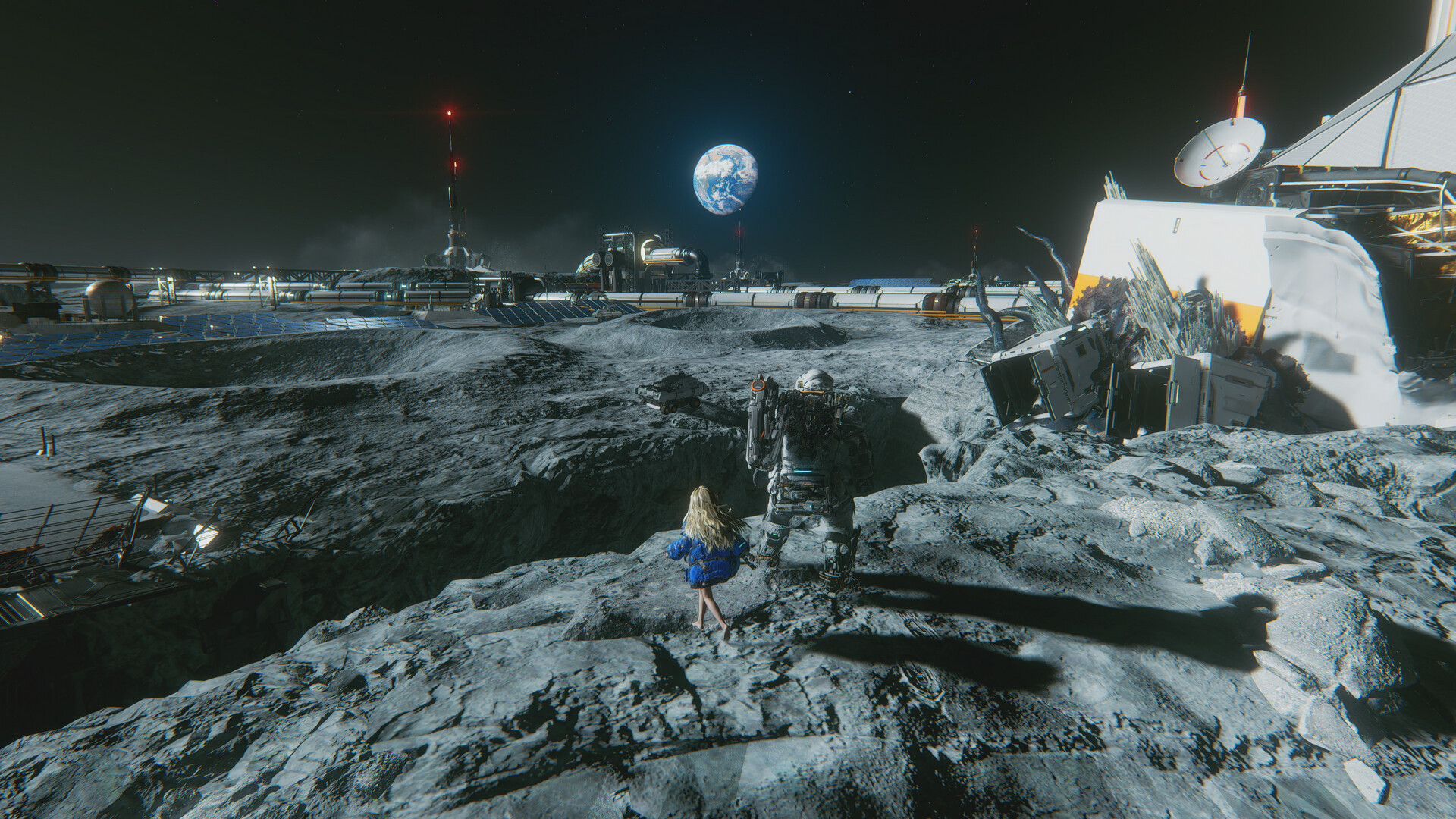
NVIDIA DLSS 4.5: A Game Changer for Gaming Performance
The CES 2026 event witnessed a major technological leap with NVIDIA’s unveiling of DLSS 4.5, specifically its Dynamic Multi-Frame Generation feature. Following a period where advancements in AI-based upscaling lagged behind, this announcement signals a renewed commitment from NVIDIA to maintain its leadership position within the graphics processing unit (GPU) market.
The Rise of Competitors and the Need for Innovation
In 2025, AMD’s FidelityFX Super Resolution (FSR) 4 emerged as a compelling alternative, fueled by significant improvements. This included the integration of machine learning algorithms, refined Frame Generation capabilities, and groundbreaking technologies like Ray Regeneration – mirroring NVIDIA's DLSS Ray Reconstruction – alongside Radiance Caching, offering comparable functionality to NVIDIA's Neural Rendering techniques. The competitive landscape spurred rapid innovation within the industry, driving both companies to push the boundaries of visual fidelity and performance.
Dynamic Multi-Frame Generation: A Deeper Dive
At the heart of DLSS 4.5 is Dynamic Multi-Frame Generation, a technique that goes beyond traditional frame interpolation. Instead of simply generating frames between existing ones, this system analyzes entire scenes in real-time, effectively creating multiple frames within a single rendering pass. This dramatically reduces the perceived input latency and offers smoother gameplay experiences, particularly in fast-paced action titles.
Enhanced Super Resolution Integration
The core of DLSS 4.5 builds upon Enhanced Super Resolution, further refining NVIDIA’s upscaling algorithms. By intelligently scaling down high-resolution game assets to lower resolutions before applying the Multi-Frame Generation process, NVIDIA achieves a superior balance between image quality and performance efficiency. This optimized workflow minimizes computational load while maximizing visual detail.

AI at the Core: The Power of Neural Networks
Dynamic Multi-Frame Generation relies heavily on NVIDIA’s advanced AI capabilities. Sophisticated neural networks are trained to predict future frames with incredible accuracy, allowing the system to seamlessly blend generated content with rendered data. This results in a visually stunning experience that closely mimics native resolution gaming without sacrificing performance.
Key Features and Technical Details (Based on CES 2026 Demonstration)
- Temporal Accuracy: DLSS 4.5 utilizes advanced temporal analysis to minimize artifacts and maintain visual consistency across multiple frames.
- Adaptive Frame Generation: The system dynamically adjusts its frame generation rate based on the game's demands, optimizing performance in varying scenarios.
- Content-Aware Upscaling: Intelligent algorithms analyze each scene’s unique characteristics – lighting, textures, and geometry – to produce highly realistic upscaled images.
- Low Latency Operation: Designed specifically for gaming, DLSS 4.5 minimizes input latency, offering a responsive and immersive gameplay experience.
Impact on the Gaming Landscape
The introduction of Dynamic Multi-Frame Generation in DLSS 4.5 has the potential to revolutionize PC gaming. By significantly reducing stuttering and improving visual smoothness, this technology opens up opportunities for playing demanding titles at lower resolutions or with reduced graphical settings. This expands accessibility to high-fidelity gaming experiences across a broader range of hardware configurations.
Future Implications
NVIDIA’s commitment to AI-powered graphics is evident in DLSS 4.5, and this technology likely sets the stage for future advancements in visual fidelity and performance. As AI continues to evolve, we can expect even more sophisticated upscaling techniques to emerge, further blurring the lines between real-time rendering and traditional gaming.
Further exploration of DLSS 4.5’s capabilities will be crucial as developers integrate this technology into their upcoming titles.