The cost of DDR5 memory has long been a barrier for budget-conscious PC builders. That may soon change with the introduction of the HUDIMM standard, which promises to cut prices without sacrificing performance.
Intel and ASRock are leading the charge with this new form factor, designed to streamline production while maintaining compatibility with existing DDR5 modules. The shift could accelerate DDR5 adoption, but questions remain about its long-term viability in the market.
Performance vs. Price
The HUDIMM standard aims to reduce manufacturing expenses by integrating components that were previously separate. This approach could lower the price per gigabyte of DDR5 memory, making it more accessible for entry-level builds. However, early benchmarks suggest that performance may not see significant gains compared to traditional DDR5 modules.
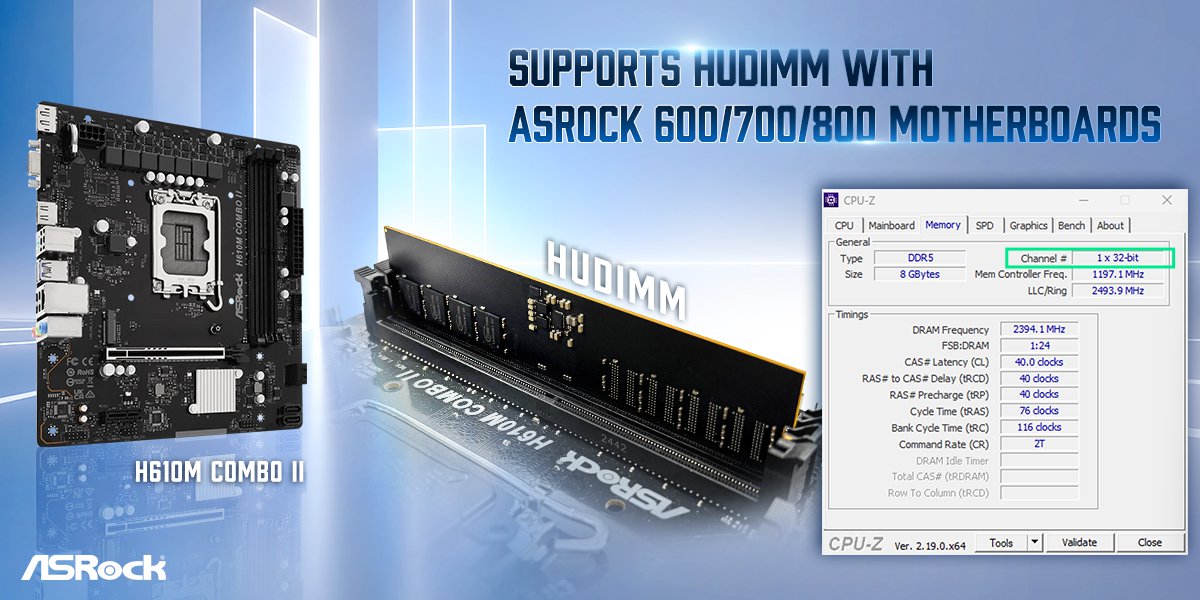
- HUDIMM modules are expected to offer similar speeds and latencies to standard DDR5 memory.
- The new form factor is designed to work with existing motherboard slots, ensuring backward compatibility.
- Pricing details are still under wraps, but industry insiders suggest a potential 20% reduction in cost.
Market Impact
If the HUDIMM standard gains traction, it could shift the balance of power in the memory market. Currently, DDR4 remains the go-to choice for budget builds due to its lower price point. The introduction of HUDIMM could finally tip the scales in favor of DDR5, especially as Intel's 13th and 14th Gen processors continue to push performance demands.
For PC builders, this development is a double-edged sword. On one hand, more affordable DDR5 memory could unlock new possibilities for high-performance builds without breaking the bank. On the other, the long-term commitment to DDR5 technology raises questions about whether this is just another step in an ongoing evolution or a true game-changer.
What to Watch
The next few months will be critical in determining the success of the HUDIMM standard. Key factors include the availability of compatible motherboards, the pricing strategy from manufacturers, and the performance benchmarks that will emerge as more products hit the market. If these elements align, DDR5 could finally become a mainstream choice for budget builds.