NVIDIA DLSS 4.5 Achieves Near-Native Image Quality with ‘Clair Obscur: Expedition 33’
The introduction of NVIDIA DLSS 4.5 represents a significant step forward in the evolution of AI-powered image upscaling. Released alongside a new driver and NVIDIA App update, this technology leverages the second-generation Transformer model to dramatically improve visual fidelity while maintaining performance benefits. Early benchmarks are demonstrating impressive results across a range of titles, including established games like ‘Red Dead Redemption 2’ and newer releases such as Bang4BuckPC Gamer's test title, ‘Clair Obscur: Expedition 33.’
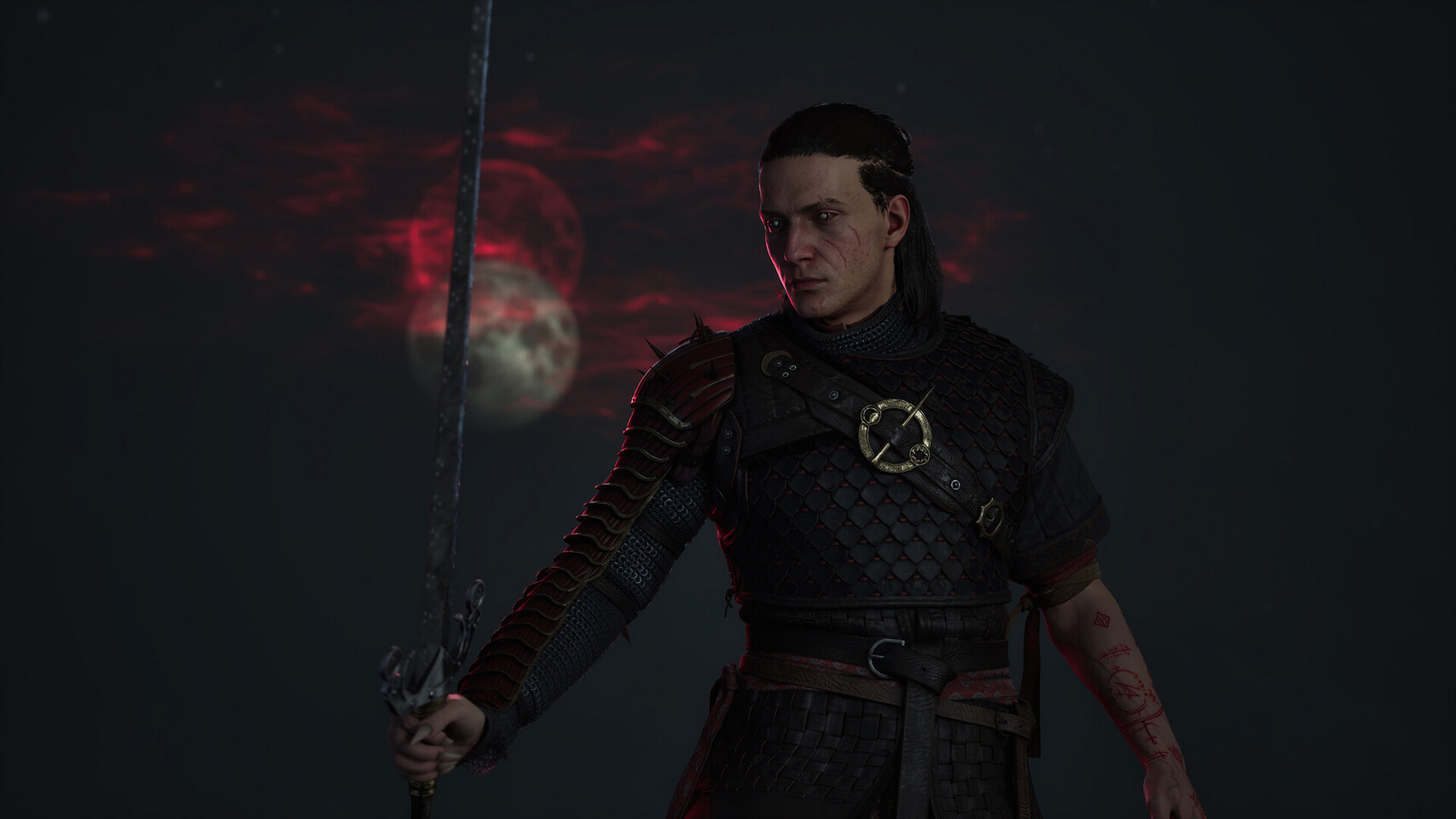
�Clair Obscur: Expedition 33,’ a celebrated role-playing game, served as the focal point of a recent comparison video. The results presented by Bang4BuckPC Gamer illustrate that DLSS 4.5 can frequently match or even surpass the visual quality of native 4K resolution in specific scenarios. This level of detail and clarity is achieved through advanced spatial upscaling techniques combined with NVIDIA’s deep learning models.
Key Findings from the ‘Clair Obscur: Expedition 33’ Test
- Exceptional Image Quality: The primary observation is the remarkable image quality produced by DLSS 4.5. Details, textures, and overall sharpness are noticeably improved compared to traditional upscaling methods or even earlier versions of DLSS.
- Competitive with Native 4K: In several key scenes within ‘Clair Obscur: Expedition 33,’ the visual impact of DLSS 4.5 was indistinguishable from native 4K rendering, particularly in areas with complex geometry and detailed environments.
- Performance Gains: As with previous DLSS iterations, users benefit from significant performance improvements alongside enhanced image quality. The Transformer model optimizes the upscaling process to minimize the performance impact.
- Potential Impact on FSR Redstone: This demonstration raises questions about the competitive advantage of AMD FidelityFX Super Resolution (FSR) Redstone. If DLSS 4.5 continues to demonstrate similar levels of image quality, it could further diminish the effectiveness of older versions of FSR.
DLSS 4.5: Technology Overview
NVIDIA’s Deep Learning Super Sampling technology utilizes AI and deep learning to enhance visual fidelity in games. DLSS 4.5 builds upon previous advancements, incorporating the second-generation Transformer model. This model is trained on massive datasets of high-resolution images, allowing it to accurately reconstruct fine details and textures during upscaling.

Key features of DLSS 4.5 include
- Transformer Model: The core technology utilizes a transformer neural network for improved spatial awareness and detail reconstruction.
- Temporal Feedback: Leverages information from previous frames to create smoother, more stable images.
- Adaptive Quality Settings: Dynamically adjusts the upscaling quality based on performance requirements.
The Future of Upscaling Technology
The ongoing competition between NVIDIA’s DLSS and AMD’s FSR highlights the rapid advancements in AI-powered image upscaling. Both technologies are evolving rapidly, with each striving to deliver superior image quality and performance gains. DLSS 4.5's success underscores the potential of deep learning models for enhancing gaming visuals.
As both NVIDIA and AMD continue to refine their respective solutions, gamers can expect even more impressive results in the future. The adoption of these technologies will undoubtedly play a crucial role in shaping the visual landscape of modern PC gaming.