Nvidia’s DLSS 4.5 will arrive on March 31 with a feature that can dynamically generate up to six frames per rendered frame—effectively maxing out high-refresh-rate monitors—but without accompanying hardware, its practical benefits remain unclear.
The update promises to adjust frame generation automatically, tailoring performance to match monitor refresh rates, such as 240Hz. This means games could run smoother on supported displays while maintaining high-quality rendering. However, the lack of new GeForce GPUs suggests this is a software-focused enhancement rather than a hardware-driven one.
- Dynamic Multi-Frame Generation: Adjusts frame generation from 1x to 6x automatically.
- RTX Mega Geometry: Boosts performance in path-traced games, with a special variant for foliage.
- Path Tracing Support: Expanded to include 007 First Light and Control Resonant.
- Community Projects: RTX lighting support for older games like Portal 2, Need for Speed: Carbon, and Call of Duty 2.
The technology aims to push framerates higher without overloading the GPU, but its effectiveness depends on how well developers integrate it. Since no new hardware was announced, gamers may see incremental improvements rather than a revolutionary shift in performance.
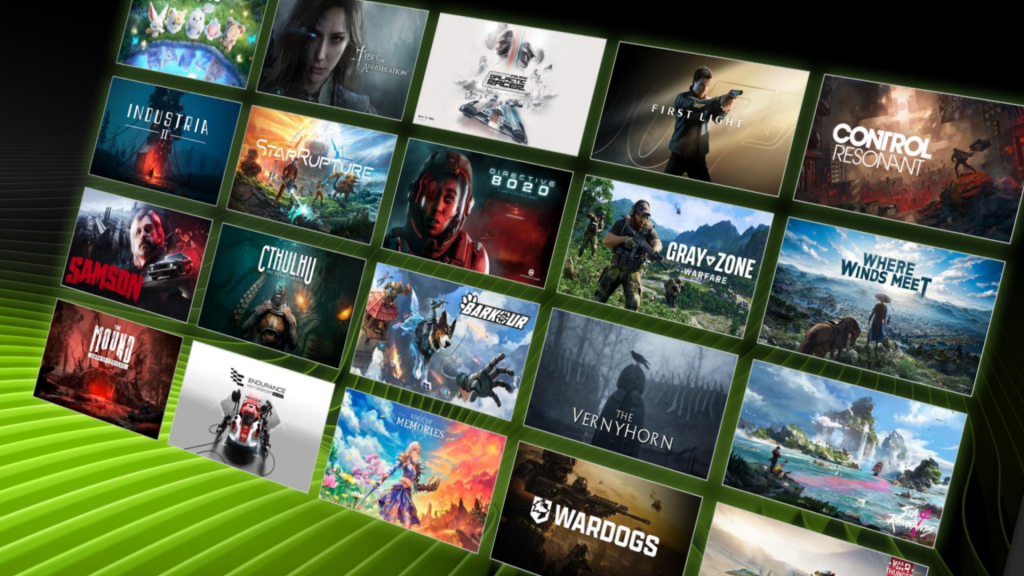
The update also introduces GeForce Now as a testing platform for developers, allowing them to showcase games during development. This could change how titles are playtested, but its long-term impact remains to be seen.
While Nvidia continues to innovate with DLSS, the absence of new GPUs raises questions about whether this is a transitional phase or a strategic pivot away from consumer gaming hardware. For now, the focus is on software optimizations, leaving users to wonder if future gains will come from smarter rendering—or from entirely new hardware.