The GPU market is undergoing a seismic shift, with NVIDIA’s latest production decisions exposing the fragility of supply chains under AI-driven demand. The company has reportedly ceased manufacturing of the GeForce RTX 5070 Ti, a mid-range card that once served as a bridge between the RTX 5060 Ti and higher-end models. Simultaneously, leaks suggest the RTX 5090—already among the most powerful consumer GPUs—could soon hit a staggering $5,000 price tag, further straining budgets for professional and enthusiast users.
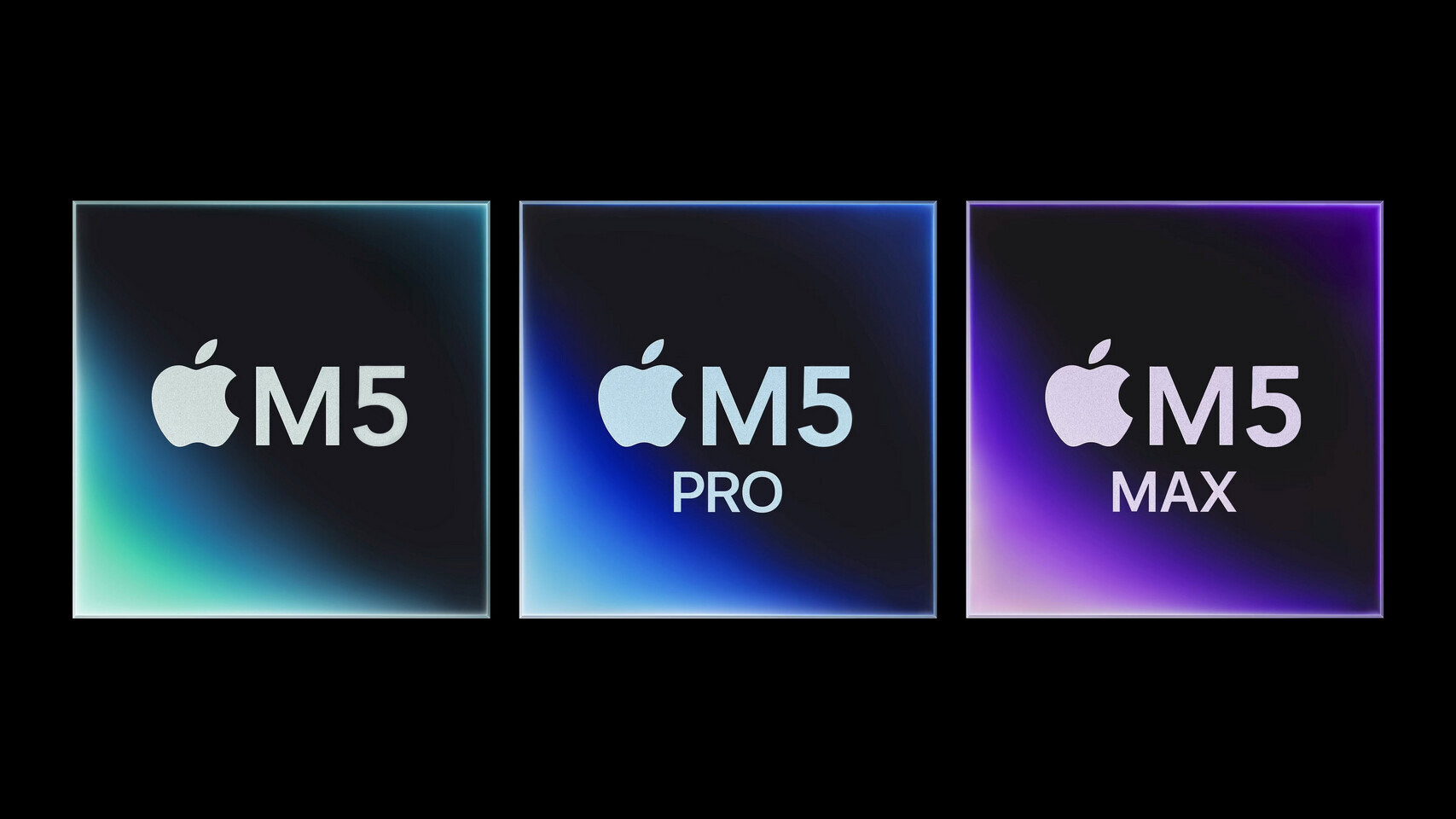
This isn’t just about NVIDIA. The broader industry is grappling with a memory shortage that has sent GDDR prices soaring, forcing manufacturers to either pass costs onto consumers or restructure product lines. AMD has already signaled a 10% GPU price hike, while others, including ASUS, have delayed motherboard production. Even Apple’s upcoming M5 Pro and M5 Max chips are said to adopt TSMC’s advanced SoIC packaging—a cost-saving measure directly tied to rising DRAM expenses.
The RTX 5070 Ti’s discontinuation is particularly notable. Launched as a refined version of the RTX 5060 Ti with improved performance, it now appears to be a casualty of market consolidation. NVIDIA’s focus may now lean toward higher-margin, AI-optimized models, leaving a gap in its mid-range lineup. The RTX 5060 Ti, which already supports 16GB of VRAM—a rarity in its class—could become the sole option for budget-conscious buyers seeking capable GPUs for 1440p gaming or light content creation.
What This Means for Consumers
The implications are clear: the days of predictable GPU pricing and availability are fading. For gamers and creators, this translates to tougher choices. Mid-range GPUs like the RTX 5070 Ti were often the sweet spot for 1440p gaming or entry-level ray tracing. Their disappearance could push more users toward either high-end cards—with their steep price tags—or older generations, which may struggle with modern games and software demands.
Professionals relying on GPUs for rendering, AI workloads, or data processing face an even steeper challenge. The RTX 5090’s rumored $5,000 price point isn’t just a financial hurdle; it reflects how AI demand has distorted the market. NVIDIA’s H100 and A100 GPUs, once reserved for data centers, now influence consumer pricing as manufacturers scramble to secure memory for next-gen chips.
A Broader Industry Reckoning
NVIDIA’s move is part of a larger trend where GPU makers are recalibrating strategies. Some are exploring alternative memory solutions, such as Apple’s shift to SoIC packaging, which integrates components more efficiently to reduce costs. Others may follow suit, but the transition isn’t without risks. SoIC packaging requires advanced manufacturing processes and could delay product releases if yields aren’t optimized.
For consumers, the message is simple: flexibility is key. Stockpiling GPUs may no longer be a viable strategy, as inventory turns over rapidly. Those in the market for new hardware should weigh whether to invest in existing stock, wait for potential price corrections, or pivot to platforms less affected by memory shortages—such as integrated graphics solutions or laptops with dedicated but less demanding GPUs.
The RTX 5070 Ti’s end of life is more than a product announcement; it’s a symptom of a market in flux. As AI demand continues to reshape technology, the GPU industry’s response will determine who benefits—and who gets left behind.